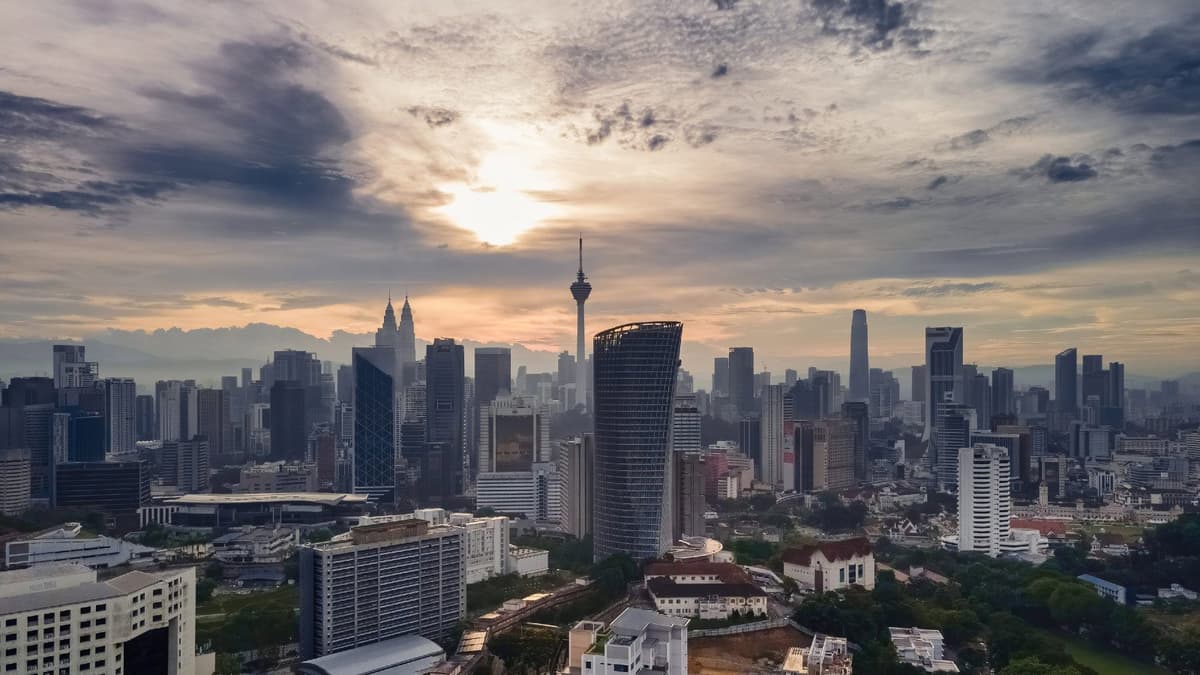
Selangor and Kuala Lumpur Are Malaysia’s Top Local Tourism Hotspots as Spending Hits RM121.3bn in 2025
Why It Matters
The spending boost signals robust consumer confidence and reinforces Malaysia’s position as a key intra‑ASEAN tourism market, encouraging further investment in infrastructure and event hosting.
Key Takeaways
- •Domestic visitor expenditure reached roughly $27 billion in 2025
- •Selangor and Kuala Lumpur together attracted over 71 million travelers
- •Paid accommodation share rose to 43.8%, up from 39.6% in 2024
- •Shopping accounted for 36.9% of total domestic tourism spend
Pulse Analysis
Malaysia’s domestic tourism market demonstrated remarkable resilience in 2025, posting a 13.6% year‑on‑year increase in visitor spending to RM 121.3 billion (about $27 billion). The growth was driven by both tourists, who contributed 59.5% of total expenditure, and excursionists, whose spending rose 12.2%. Key demand catalysts included festive periods such as Chinese New Year and Hari Raya, as well as the government’s Tahun Melawat Negeri campaigns that spurred inter‑state travel. The data underscores a broader trend of Malaysians opting for longer stays, with the average trip extending to 2.56 nights, indicating deeper engagement with local attractions and services.
State‑level performance highlighted Selangor and Kuala Lumpur as the premier destinations, together accounting for more than 71 million visits. Their appeal stems from well‑developed transport links, diverse urban amenities, and a concentration of business events, including ASEAN meetings that generate high‑value travel. Meanwhile, Perak, Sabah, and Sarawak also saw notable visitor numbers, buoyed by cultural festivals like Kaamatan and Gawai Dayak. The dominance of land transport—covering 97.5% of trips—reflects the country’s extensive highway network, yet the rise in paid accommodation to 43.8% signals a shift toward higher‑margin hospitality services.
The spending composition reveals shopping as the top expense category, representing 36.9% of total outlays, followed by food and beverages (16.1%) and fuel (13.5%). This pattern suggests that retail and dining sectors stand to benefit from continued tourism growth. For investors and policymakers, the data points to opportunities in hotel development, retail expansion, and transport infrastructure upgrades to sustain the upward trajectory. As Malaysia positions itself as a regional hub for conferences and cultural events, the domestic tourism engine is likely to remain a pivotal driver of economic activity in the coming years.
Selangor and Kuala Lumpur are Malaysia’s top local tourism hotspots as spending hits RM121.3bn in 2025
Comments
Want to join the conversation?
Loading comments...