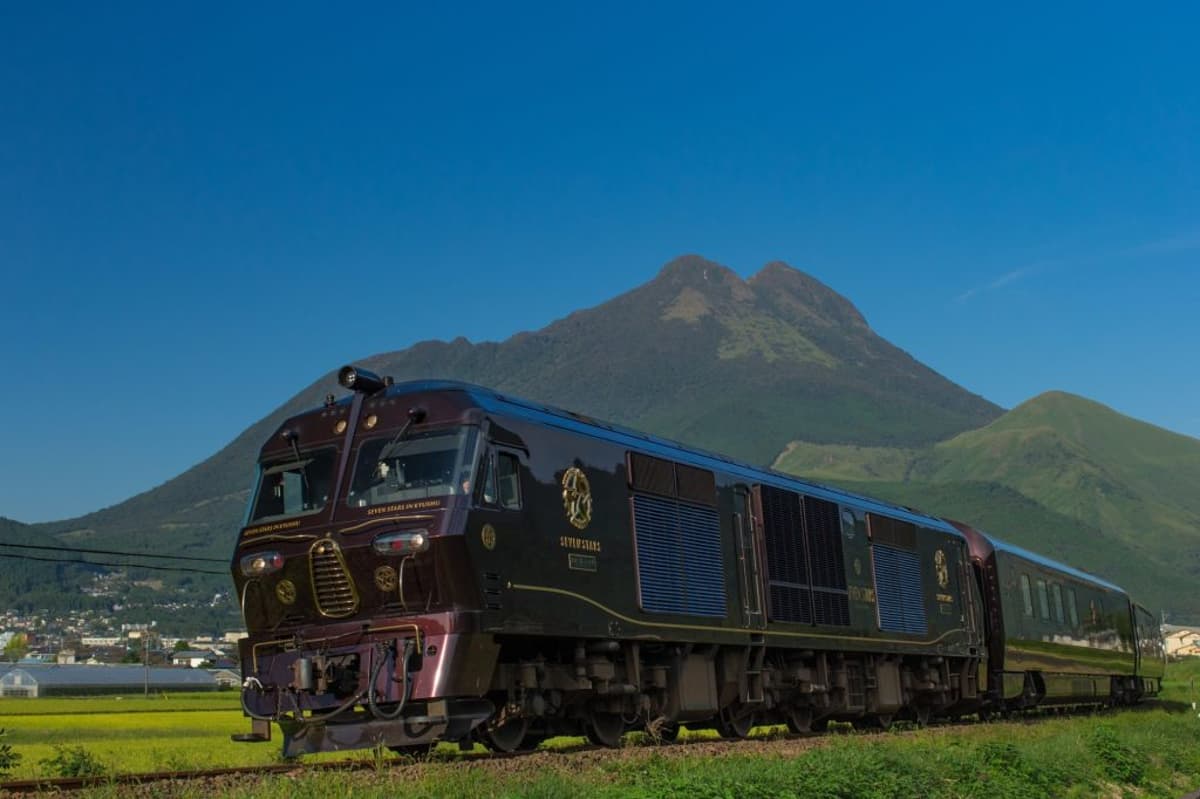
Seven Stars in Kyushu: Riding Japan’s Most Exclusive Luxury Sleeper Train
Why It Matters
The moves underscore Japan’s push to monetize premium experiential travel while preserving historic rail assets, driving tourism revenue to lesser‑known regions and enhancing urban transit appeal.
Key Takeaways
- •Seven Stars adds three new routes in Kyushu for 2026.
- •Train caps at 20 guests, bookings allocated by lottery.
- •New itineraries target Takachiho, Unzen, and Kuju onsen areas.
- •Tokyo’s refurbished tram cost ¥35 million (~$235k) and features Showa design.
- •Crowdfunding raised ¥7.9 million (~$52k) toward tram’s ¥17 million goal.
Pulse Analysis
The Seven Stars in Kyushu luxury sleeper train has become a benchmark for high‑end tourism in Japan. Since its 2013 debut, the train’s meticulous design and limited capacity have created a scarcity premium, with demand outstripping supply and tickets awarded by lottery. By adding three new itineraries that spotlight Takachiho, Unzen and Kuju, the operator is deliberately steering affluent travelers toward remote onsen towns, injecting discretionary spending into local economies that traditionally rely on seasonal tourism.
Japan’s broader rail strategy mirrors a global trend where heritage and boutique train experiences command premium prices. Operators leverage the romance of rail travel, curated hospitality, and exclusive scenery to differentiate from standard airline or highway options. The Seven Stars’ oversubscription signals a robust market for curated journeys, encouraging other rail companies to explore similar ultra‑luxury concepts. Economically, the high fare structure—often exceeding $10,000 per passenger—generates significant per‑guest revenue, supporting regional development projects and sustaining niche employment in hospitality and rail maintenance.
Meanwhile, Tokyo’s refurbishment of a Showa‑era tram reflects a complementary focus on preserving rail heritage for everyday commuters and tourists alike. The ¥35 million (≈ $235 k) overhaul introduced wood interiors, parquet flooring, and a nostalgic yellow livery, turning a functional streetcar into a moving museum. The successful crowdfunding campaign, which raised ¥7.9 million (≈ $52 k) against a ¥17 million (≈ $113 k) target, demonstrates public appetite for heritage projects and provides a template for financing similar initiatives. Together, the luxury sleeper expansion and tram revitalization illustrate how Japan blends premium tourism with cultural preservation, reinforcing its reputation as a leader in experiential travel and innovative public‑transport branding.
Seven Stars in Kyushu: Riding Japan’s Most Exclusive Luxury Sleeper Train
Comments
Want to join the conversation?
Loading comments...