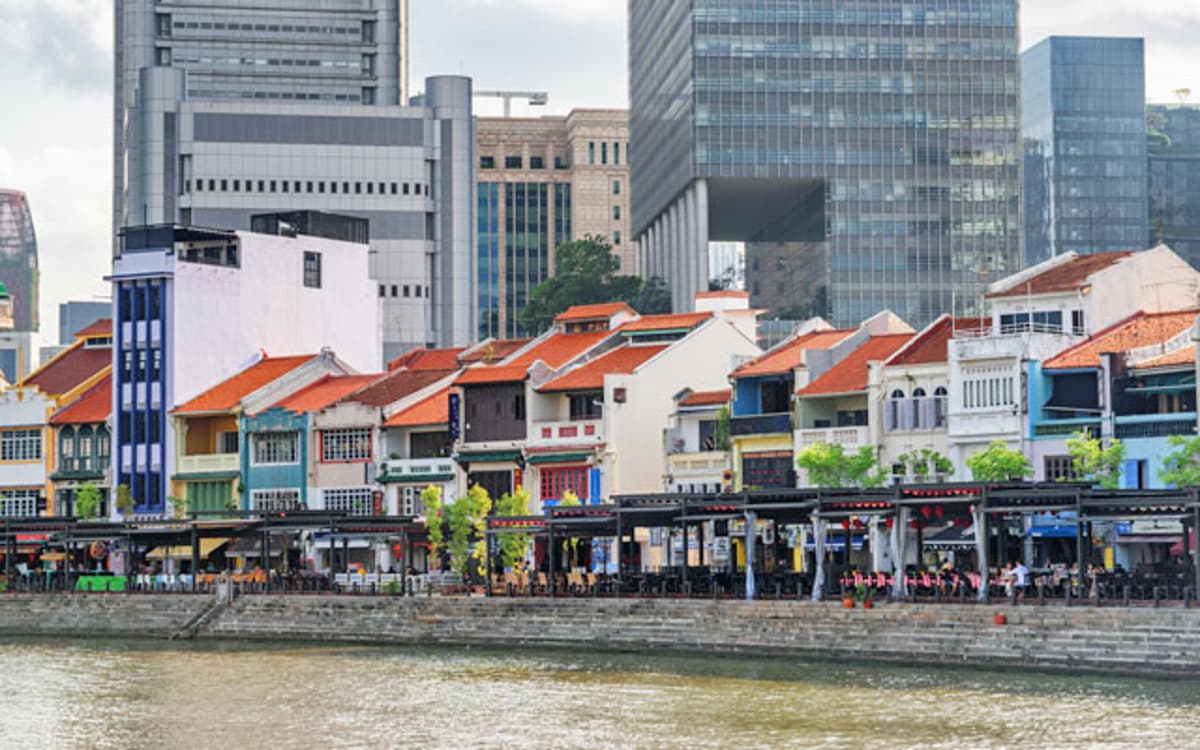
Singapore Opens More Areas to Hotel and Hostel Development
Why It Matters
Easing restrictions unlocks prime real‑estate for hospitality developers, directly increasing room inventory in high‑traffic zones and supporting Singapore’s goal of sustaining tourism growth amid regional competition.
Key Takeaways
- •Upper Circular Road lifts hotel development ban
- •Beach Road opened for new hotels, hostels, serviced apartments
- •Policy aims to boost tourism room supply in central districts
- •URA review aligns with Draft Master Plan 2025 revitalisation
Pulse Analysis
Singapore’s decision to relax planning controls on hotels, hostels and serviced apartments marks a strategic pivot in its tourism policy. For more than a decade, the government capped new accommodation in the Upper Circular Road and Beach Road areas to prevent oversaturation. However, a recent URA review highlighted shifting travel trends, with visitors seeking boutique experiences in heritage precincts near the Singapore River. By removing these caps, the city‑state is positioning its historic shophouse districts as modern hospitality hubs, blending cultural charm with contemporary amenities.
The immediate impact will be felt by developers eager to tap into high‑value central locations. With the Upper Circular Road precinct now open, projects can integrate new hotel towers or adaptive‑reuse hostels within conserved shophouses, offering higher yields than peripheral sites. Beach Road, already undergoing mixed‑use transformation, will likely see a surge in boutique hotel concepts and serviced apartments catering to both short‑stay tourists and long‑term business travelers. This influx of supply is expected to alleviate the chronic shortage of centrally located rooms, a pain point that has constrained Singapore’s ability to host large conventions and events.
Beyond the local market, the policy aligns with the Draft Master Plan 2025’s broader vision of a vibrant, mixed‑use city centre that balances business, leisure, and residential needs. By expanding accommodation capacity, Singapore strengthens its competitive edge against regional rivals such as Bangkok and Kuala Lumpur, which have been rapidly adding hotel inventory. The move also signals confidence in a post‑pandemic tourism rebound, encouraging investors to commit capital to projects that blend heritage preservation with modern hospitality standards. In the long run, the relaxed zoning could catalyse a wave of urban revitalisation, driving foot traffic, retail sales, and employment across the affected precincts.
Singapore opens more areas to hotel and hostel development
Comments
Want to join the conversation?
Loading comments...