Sleep Inn and Choice Hotels Deploy ‘Scenic Dreams’ Prototype in Tennessee, Nevada and Pennsylvania

Companies Mentioned
Why It Matters
The Scenic Dreams rollout signals a broader shift in the midscale hotel segment toward experience‑driven design, a trend previously limited to upscale and boutique properties. By embedding wellness and nature themes at a price point accessible to budget‑conscious travelers, Sleep Inn aims to capture a segment of post‑pandemic demand that values both affordability and ambiance. For franchise owners, the prototype offers a tangible economic proposition: standardized construction footprints and streamlined operations promise lower upfront capital expenditures and reduced labor costs. If the model proves profitable, it could set a new benchmark for cost‑efficient, design‑forward development across the midscale landscape, prompting competitors to accelerate similar initiatives.
Key Takeaways
- •Sleep Inn launches Scenic Dreams prototype in Tennessee, Nevada and Pennsylvania.
- •Tennessee showcases include 52‑room Ashland City (Sept 2025) and 82‑room Savannah (Apr 2026).
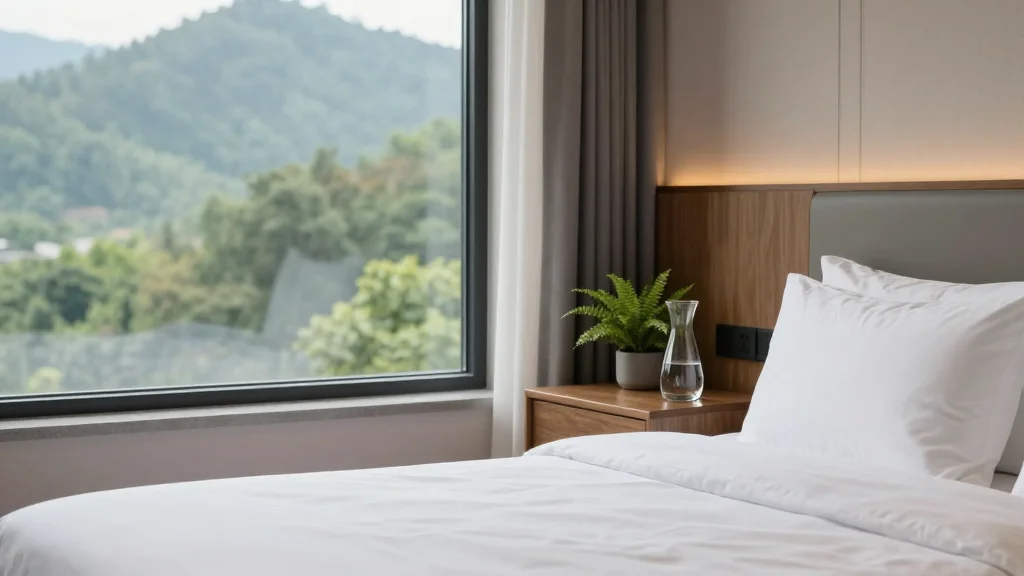
- •Design emphasizes nature‑inspired interiors, larger windows, and biophilic murals.
- •Prototype reduces construction complexity and operating costs for owners.
- •Choice Hotels operates >7,000 properties and sees the prototype as a template for new builds and conversions.
Pulse Analysis
Sleep Inn’s Scenic Dreams rollout is a calculated response to two converging forces: a resurgence in domestic travel and an evolving guest expectation for wellness‑centric experiences. Historically, midscale brands have competed on price and functional basics; the infusion of lifestyle design marks a departure that could recalibrate the segment’s value proposition. By marrying biophilic aesthetics with a value‑engineered build, Choice Hotels attempts to deliver a differentiated product without inflating the price tag—a delicate balance that, if successful, may force rivals like Holiday Inn Express and Best Western to accelerate their own design upgrades.
The prototype’s emphasis on operational efficiency addresses a long‑standing pain point for franchisees: labor intensity. Standardized room footprints and consolidated service zones can lower staffing ratios, a critical advantage as the industry grapples with a tight labor market. Moreover, the early adoption in smaller markets such as Ashland City and Savannah provides a low‑risk proving ground, allowing the brand to refine the model before scaling to higher‑density urban locations.
Looking ahead, the true test will be whether the perceived premium in guest experience translates into higher RevPAR (Revenue per Available Room) and owner adoption rates. If consumer willingness to pay more for the wellness narrative materializes, Scenic Dreams could become a blueprint for a new generation of midscale hotels—one that blends affordability with the experiential expectations of a post‑COVID traveler. The next six months, as additional properties open, will reveal whether the prototype can shift market dynamics or remain a niche experiment within Choice Hotels’ extensive portfolio.
Sleep Inn and Choice Hotels Deploy ‘Scenic Dreams’ Prototype in Tennessee, Nevada and Pennsylvania
Comments
Want to join the conversation?
Loading comments...