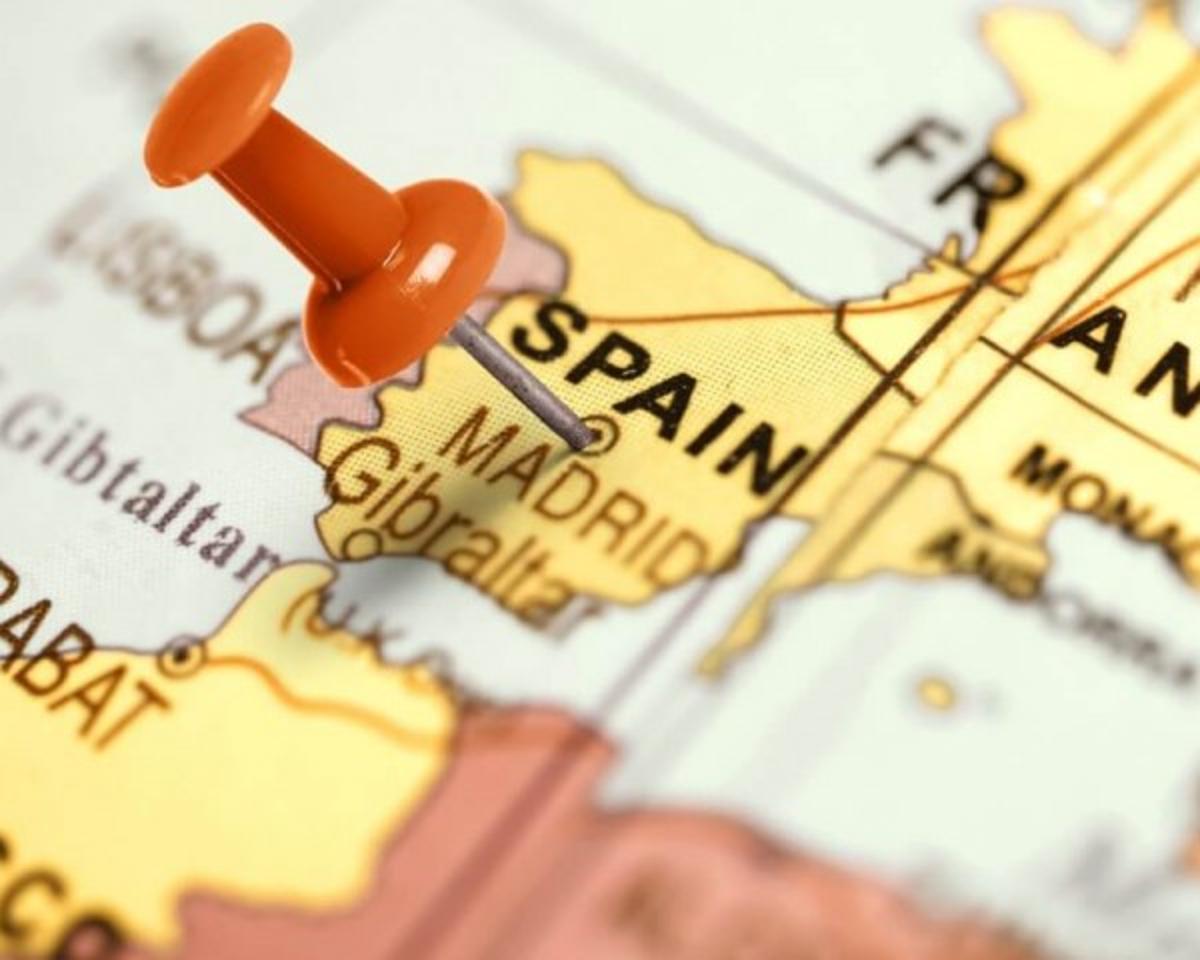
SPANISH TOURISM EXPECTS 4.2 BILLION OF ADDITIONAL REVENUE DUE TO THE WAR
Why It Matters
The surge provides a sizable boost to Spain’s economy, reinforcing tourism as a primary growth engine, while cost pressures could blunt the upside if not addressed.
Key Takeaways
- •Spain expects $4.5 bn extra tourism revenue from “refuge effect”.
- •Q1 2026 tourism GDP grew 2.5%, outpacing prior forecast.
- •Tourism employment rose to 2.2 million, up 2.5% YoY.
- •Average tourism wages increased 3.4% amid stable long‑term contracts.
- •Higher fuel and goods prices pose spending risks for future growth.
Pulse Analysis
Spain’s tourism rebound illustrates how geopolitical turbulence can reshape travel corridors. As conflicts in neighboring regions deter visitors, Spain’s reputation for safety and its Mediterranean allure have attracted displaced leisure spenders, generating an estimated $4.5 bn in additional revenue this year. This “refuge effect” not only lifts visitor numbers but also expands tourism’s share of national output by roughly two percentage points, pushing the sector’s contribution to the economy toward $245 bn. The trend underscores the sector’s elasticity when external shocks redirect demand toward stable destinations.
Beyond headline revenue, the sector’s labor market is tightening in a positive way. The latest quarter recorded 2.2 million tourism‑related jobs, a 2.5% year‑over‑year rise, while average wages rose 3.4%, reflecting both higher demand and a shift toward longer‑term contracts—nearly nine out of ten new roles are permanent. This employment stability supports household incomes and reinforces Spain’s competitive edge in experience‑driven travel, as tourists increasingly favor immersive activities over material purchases.
Nevertheless, the upside faces headwinds. Escalating fuel prices and broader inflation are compressing discretionary budgets, potentially curbing future trip frequency. Supply‑chain disruptions at key transit hubs and localized incidents, such as the Adamuz train accident, add operational uncertainty. Policymakers and industry leaders must balance price pressures with strategic investments in sustainable infrastructure and marketing to sustain growth once the short‑term “refuge” window narrows.
SPANISH TOURISM EXPECTS 4.2 BILLION OF ADDITIONAL REVENUE DUE TO THE WAR
Comments
Want to join the conversation?
Loading comments...