Square and Uber Eats Expand Global Partnership to Streamline Restaurant Operations and Payments
Why It Matters
By consolidating ordering, payments and financial services into a single stack, operators gain operational efficiency, faster cash flow and access to a younger, digital‑first consumer base—critical advantages in a margin‑tight, labor‑constrained market.
Key Takeaways
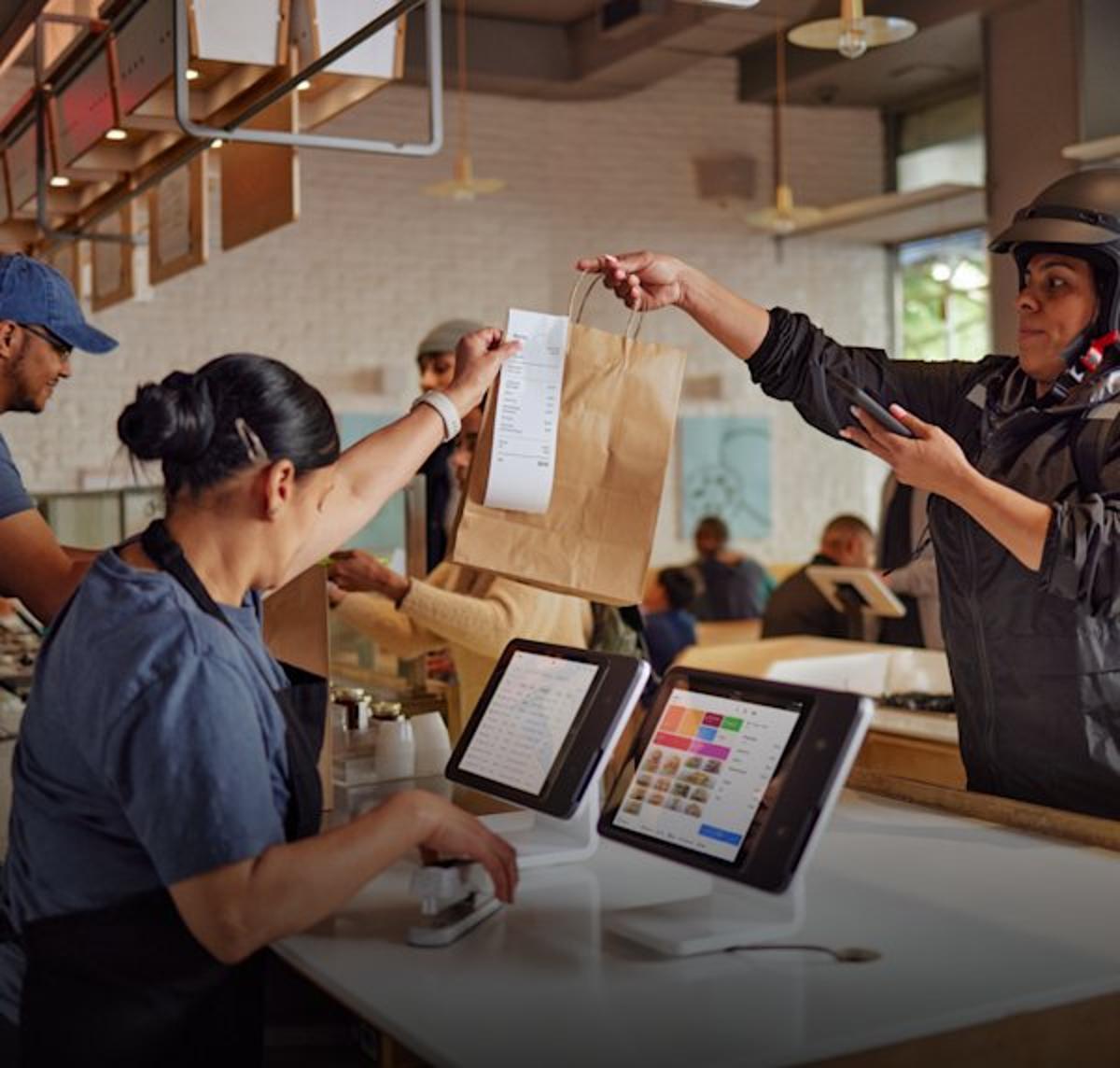
- •Square orders flow directly into Uber Eats POS, eliminating tablet sprawl.
- •Instant Payouts give restaurants faster cash flow from delivery sales.
- •Cash App Pay adds a 59 million‑user digital wallet to Uber checkout.
- •Expansion to Canada, UK, Australia, Ireland, France, Spain standardizes platforms.
Pulse Analysis
The Block‑Uber partnership reflects a broader industry migration from patchwork point‑of‑sale solutions to integrated ecosystems that blend ordering, payments and back‑office functions. By routing Uber Eats orders straight into Square’s POS, restaurants can retire redundant hardware, reduce order‑entry errors and synchronize menus across dine‑in, takeout and delivery channels. This operational consolidation not only cuts training overhead but also improves kitchen throughput, a decisive factor as many operators grapple with staffing shortages and rising labor costs.
Financially, the integration embeds instant payouts into the order flow, turning what was once a back‑office reconciliation task into a real‑time cash‑flow lever. Faster access to delivery revenues can ease cash‑flow pressure for thin‑margin eateries, allowing them to reinvest in inventory or promotional activities more quickly. The addition of Cash App Pay further amplifies the financial impact by tapping into a 59 million‑strong, predominantly younger user base that prefers digital wallets, loyalty‑linked offers and split‑payment experiences. This dual focus on operational speed and payment innovation positions the combined platform as a compelling growth engine for restaurants seeking to capture digitally savvy diners.
Globally, extending the Square‑Uber Eats link to six new markets accelerates the standardization of restaurant technology across borders. Multi‑unit operators benefit from uniform training, consistent data analytics and reduced integration costs, while smaller independents gain access to enterprise‑grade tools previously limited to U.S. markets. However, the deepening reliance on a single ecosystem raises strategic questions about data ownership and platform dependency. As Block and Uber continue to blur the lines between POS, delivery and consumer finance, operators will need to balance the efficiency gains against the risk of ceding control over critical customer relationships. The next wave of restaurant tech innovation will likely hinge on how well merchants can leverage these integrated platforms without becoming locked into a single provider.
Square and Uber Eats Expand Global Partnership to Streamline Restaurant Operations and Payments
Comments
Want to join the conversation?
Loading comments...