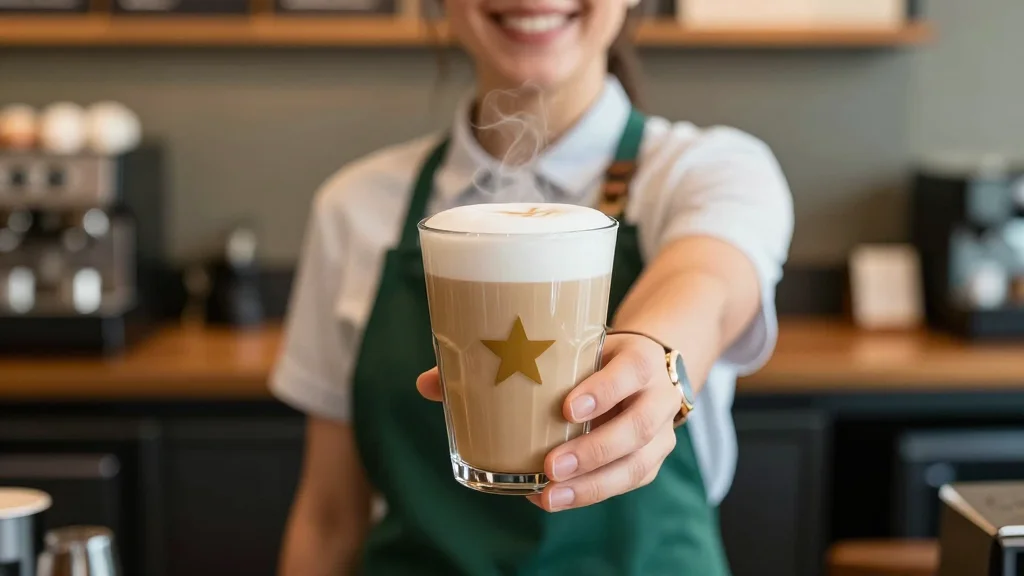
Starbucks Is Adding New Incentives for Its Baristas

Why It Matters
The incentives could boost barista compensation by 5‑8%, improving retention amid a tight labor market, while signaling Starbucks’ focus on operational excellence to drive sales recovery.
Key Takeaways
- •Quarterly bonuses up to $300 per barista
- •Annual earnings potential reaches $1,200 per employee
- •Expanded tipping includes card and mobile payments
- •Weekly pay replaces bi‑weekly schedule
- •Leadership roles filled 90% from within
Pulse Analysis
Starbucks’ latest compensation overhaul arrives at a moment when the specialty‑coffee market faces intense labor competition and rising wage pressures. By tying quarterly bonuses to store performance metrics such as sales and service quality, the company hopes to align employee incentives with its broader turnaround strategy. The inclusion of digital tipping options reflects the shift toward contactless payments, while weekly payroll addresses a common grievance among hourly workers seeking faster access to earned wages. Together, these measures aim to reinforce Starbucks’ reputation as a desirable employer and reduce turnover, which historically has been low but remains a critical cost factor.
The financial impact for baristas is modest yet meaningful: an estimated 5‑8% increase in total compensation, translating to up to $1,200 extra per year on top of existing benefits. For the roughly 500 union‑represented stores, the program will be subject to collective bargaining, adding a layer of negotiation that could set precedents for future labor agreements across the chain. Expanded tipping through credit, debit, and mobile platforms not only boosts earnings but also modernizes the tipping culture, making it more inclusive for customers ordering via the app. Weekly pay cycles further enhance cash flow for employees, a change that aligns with broader industry trends toward more frequent wage distribution.
From an operational standpoint, the incentive structure dovetails with Starbucks’ push for faster order fulfillment and improved store efficiency. By rewarding teams that meet four‑minute order targets and maintain high service scores, the company incentivizes the very behaviors that drive customer satisfaction and repeat visits. Investors are likely to view these initiatives as a proactive response to sluggish sales, signaling that Starbucks is investing in its frontline workforce to sustain growth. If the program succeeds in boosting morale and productivity, it could translate into higher same‑store sales and reinforce the brand’s premium positioning in a crowded coffee market.
Starbucks is adding new incentives for its baristas
Comments
Want to join the conversation?
Loading comments...