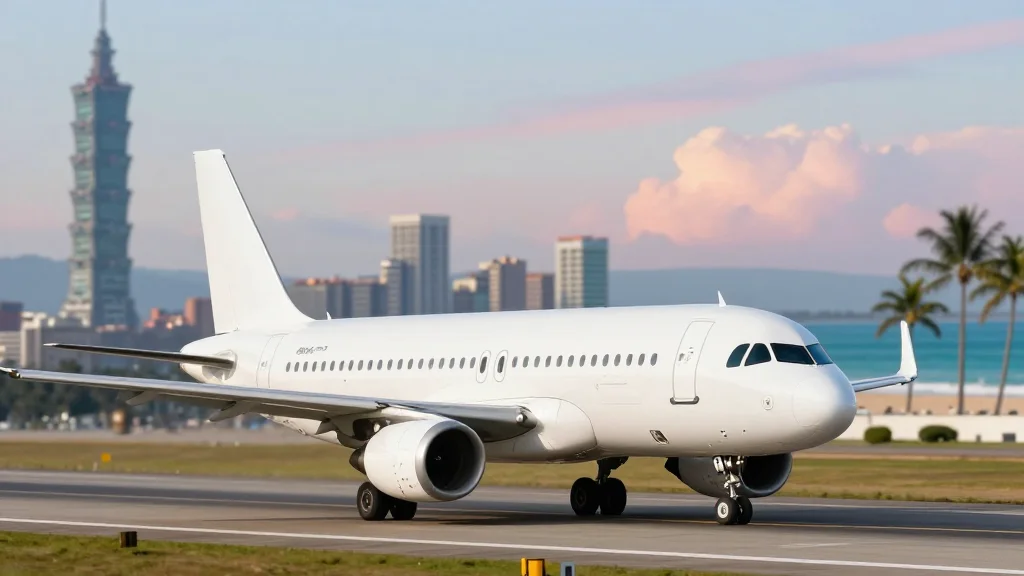
STARLUX Airlines Launches Bali Service, Targeting Growing U.S.–Southeast Asia Travel Demand
Companies Mentioned
Why It Matters
The route fills a critical one‑stop gap in U.S.–Bali connectivity, giving STARLUX a premium foothold in a high‑value leisure corridor and strengthening its hub‑and‑spoke strategy.
Key Takeaways
- •STARLUX adds Taipei‑Bali route, five flights weekly from Oct 1.
- •Route leverages Taipei hub to feed U.S. gateways like Ontario.
- •No direct U.S.–Bali flights; STARLUX fills one‑stop market gap.
- •Premium A321neo service targets leisure and digital‑nomad travelers.
- •Expansion brings STARLUX to over 13 Southeast Asian destinations.
Pulse Analysis
The United States is seeing a surge in outbound travel to Southeast Asia, and Bali remains a top‑tier destination for both leisure tourists and remote‑work professionals. With no nonstop U.S.–Bali flights, travelers rely on one‑stop connections, creating a lucrative niche for carriers that can combine schedule efficiency with premium service. STARLUX’s decision to launch a Taipei‑Bali link taps into this unmet demand, positioning the airline to capture high‑margin passengers seeking a seamless transit experience.
STARLUX’s Taipei hub offers a strategic advantage over busier Asian gateways such as Singapore or Tokyo. By operating five weekly A321neo flights, the carrier can synchronize departures and arrivals with its U.S. services, reducing layover times for passengers from secondary gateways like Ontario, California, and Phoenix, Arizona. The modern, fuel‑efficient fleet also supports a premium cabin product that differentiates STARLUX from legacy Asian airlines, appealing to affluent travelers and digital nomads who value comfort and flexibility on long‑haul itineraries.
Beyond the immediate route, the expansion signals STARLUX’s broader ambition to become a key connector between North America and the fast‑growing tourism markets of Southeast Asia. The airline now serves over a dozen regional cities, aligning with industry trends that highlight secondary U.S. airports as growth engines. As Bali continues to attract extended stays from remote workers, the demand for reliable, upscale one‑stop options is likely to rise, giving STARLUX a competitive edge in a corridor that could see intensified rivalry in the coming years.
STARLUX Airlines Launches Bali Service, Targeting Growing U.S.–Southeast Asia Travel Demand
Comments
Want to join the conversation?
Loading comments...