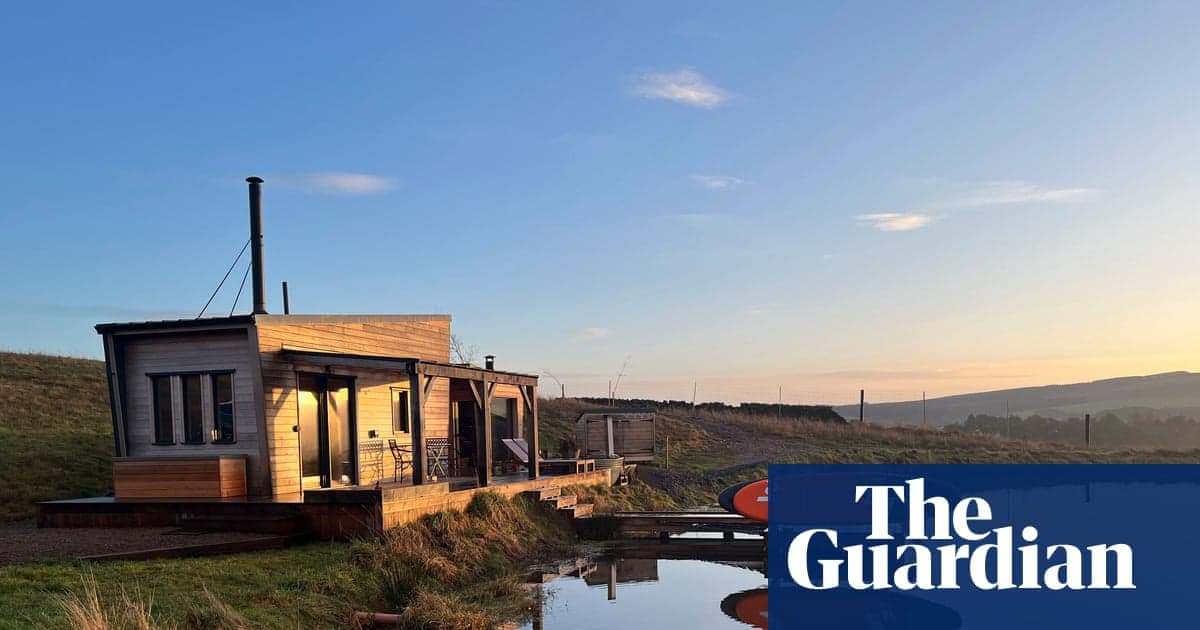
‘Swim, Soak, Switch Off’: An Off-Grid Cabin Stay in the Scottish Borders
•February 17, 2026
0
Why It Matters
By marrying sustainable accommodation with local heritage, the cabin illustrates how agritourism can generate new revenue streams for Scottish farms while meeting growing demand for eco‑friendly travel experiences.
Key Takeaways
- •Tiny Home Borders adds second cabin, plans third
- •Cabin uses hemp insulation, solar power, reclaimed wood
- •Visit Scotland projects agritourism value £250m by 2030
- •No Wi‑Fi encourages digital detox for guests
- •Local attractions include Johnstons of Elgin, Borders Distillery
Pulse Analysis
Off‑grid cabins are becoming a cornerstone of sustainable tourism, and Scotland’s rugged Borders region offers an ideal backdrop. Tiny Home Borders’ newest cabin combines reclaimed oak, hemp insulation and solar‑battery power to deliver a low‑impact stay that feels more Nordic than Scottish. The absence of Wi‑Fi forces guests to engage with the surrounding lochan, sauna and night sky, aligning with a broader consumer shift toward digital detoxes. As climate‑concerned travelers seek authentic, low‑carbon experiences, such eco‑lodges provide a compelling alternative to traditional hotels, especially in under‑visited rural areas.
The economic implications are significant. Visit Scotland projects the combined value of agritourism and farm retail to reach £250 million by 2030, driven by tourists’ appetite for farm‑based experiences. For landowners like David and Claire Mactaggart, converting surplus farm structures into tiny homes creates a diversified income stream without compromising agricultural production. The model also supports local supply chains—fueling demand for regional produce, craft knitwear and distillery tours—thereby reinforcing the rural economy. As the inaugural Global Agritourism Conference approaches, policymakers are likely to spotlight such initiatives as scalable solutions to rising food‑production costs and rural depopulation.
Beyond the cabin itself, the Scottish Borders leverages its cultural assets to extend visitor stays. Proximity to Johnstons of Elgin’s knitwear centre, the historic Hawick textile scene and the Borders Distillery enriches the itinerary, encouraging longer bookings and higher per‑guest spend. This integrated tourism approach showcases how heritage, gastronomy and nature can be packaged around a single eco‑lodging offering. If the Mactaggarts’ plan for a third cabin proceeds, the cumulative effect could position the Borders as a benchmark for sustainable rural tourism, attracting both domestic and international travelers seeking immersive, environmentally responsible getaways.
‘Swim, soak, switch off’: an off-grid cabin stay in the Scottish Borders
0
Comments
Want to join the conversation?
Loading comments...