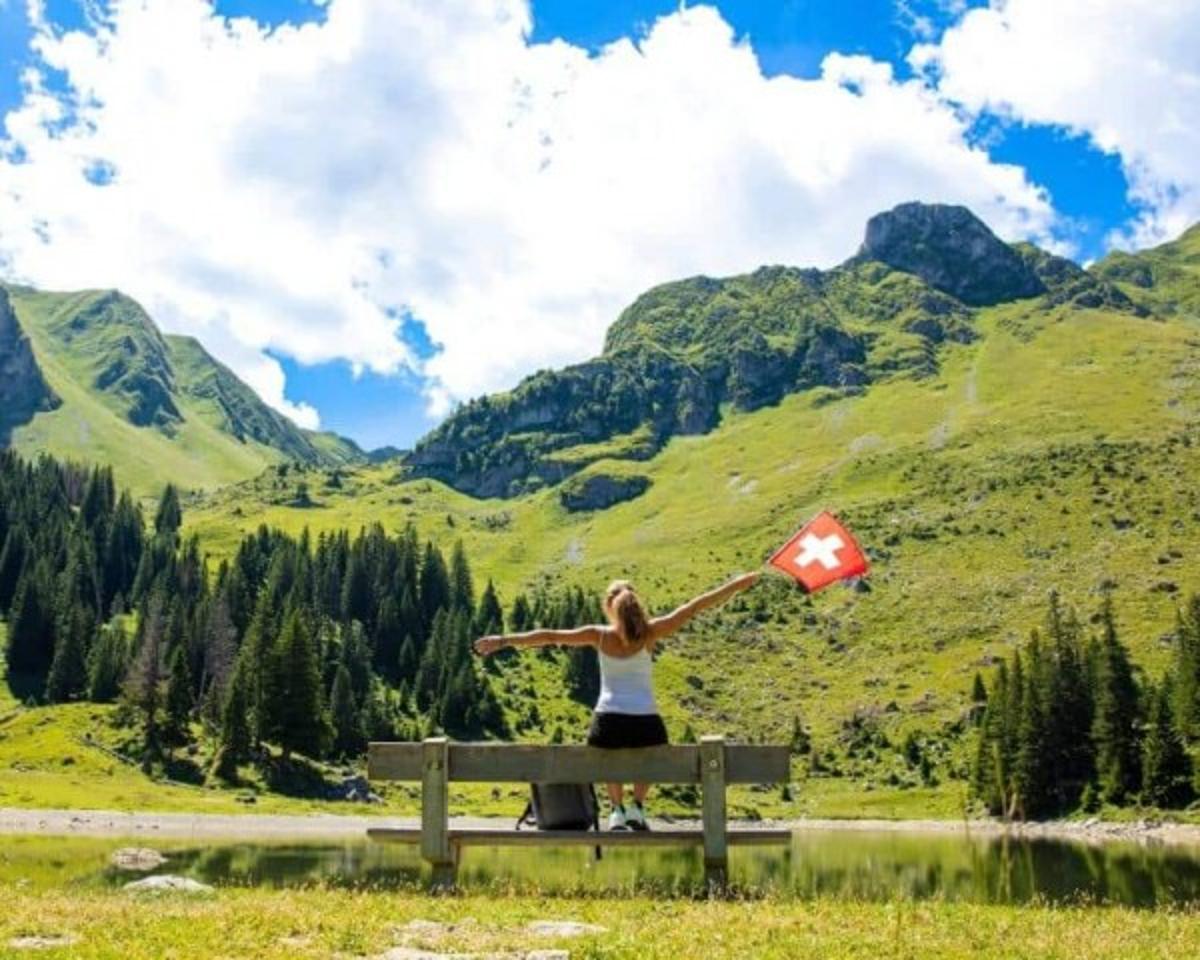
SWISS TOURISM SET FOR FIRST SUMMER DECLINE SINCE THE PANDEMIC
Why It Matters
The dip signals growing vulnerability of Switzerland’s tourism to geopolitical shocks and fuel price volatility, prompting industry leaders to reassess reliance on distant markets. Stable Chinese demand and rising local travel offer a partial buffer but underline the need for diversified visitor sources.
Key Takeaways
- •BAK projects 24.9 million overnight stays in summer 2026, <1% drop vs 2025
- •Long‑haul arrivals expected to fall 3.7%, driven by Asian market weakness
- •Chinese visitor demand remains stable thanks to direct flight routes
- •Domestic Swiss travel up 0.5%, offsetting modest European dip
Pulse Analysis
Switzerland’s tourism sector has enjoyed a robust post‑pandemic recovery, yet the latest BAK Economics forecast hints at a modest contraction in the 2026 summer season. The projection of 24.9 million overnight stays reflects a 255,000‑night shortfall against 2025, driven largely by the fallout from the Iran conflict. Disrupted air corridors and persistently high jet fuel costs have dampened travelers’ appetite for long‑haul journeys, especially from regions that rely on Middle Eastern hubs. This emerging headwind underscores how external geopolitical dynamics can quickly ripple through a market traditionally seen as insulated by its Alpine allure.
The most pronounced impact is on long‑haul traffic, where a 3.7% decline—equating to roughly 246,000 fewer nights—is anticipated. Asian source markets, particularly India and Southeast Asia, are bearing the brunt of reduced connectivity and elevated travel expenses. Conversely, China’s tourism flow remains comparatively robust, benefitting from direct flight routes that bypass the affected Middle Eastern airspace. This divergence highlights the strategic advantage of diversified routing and the importance of maintaining direct links to high‑value markets. U.S. visitor numbers are expected to inch upward, albeit at a slower pace, providing a modest counterbalance to Asian weakness.
On the home front, Swiss residents are projected to increase their travel by 0.5%, adding about 58,000 lodging nights. This domestic uptick, coupled with the country’s continued dominance in Alpine destination rankings, helps cushion the overall performance. While European inbound traffic may see a slight dip, the resilience of local and Chinese travelers offers a buffer against broader volatility. Industry stakeholders are likely to focus on enhancing short‑stay offerings and leveraging the country’s natural assets to sustain growth amid an uncertain geopolitical and energy landscape.
SWISS TOURISM SET FOR FIRST SUMMER DECLINE SINCE THE PANDEMIC
Comments
Want to join the conversation?
Loading comments...