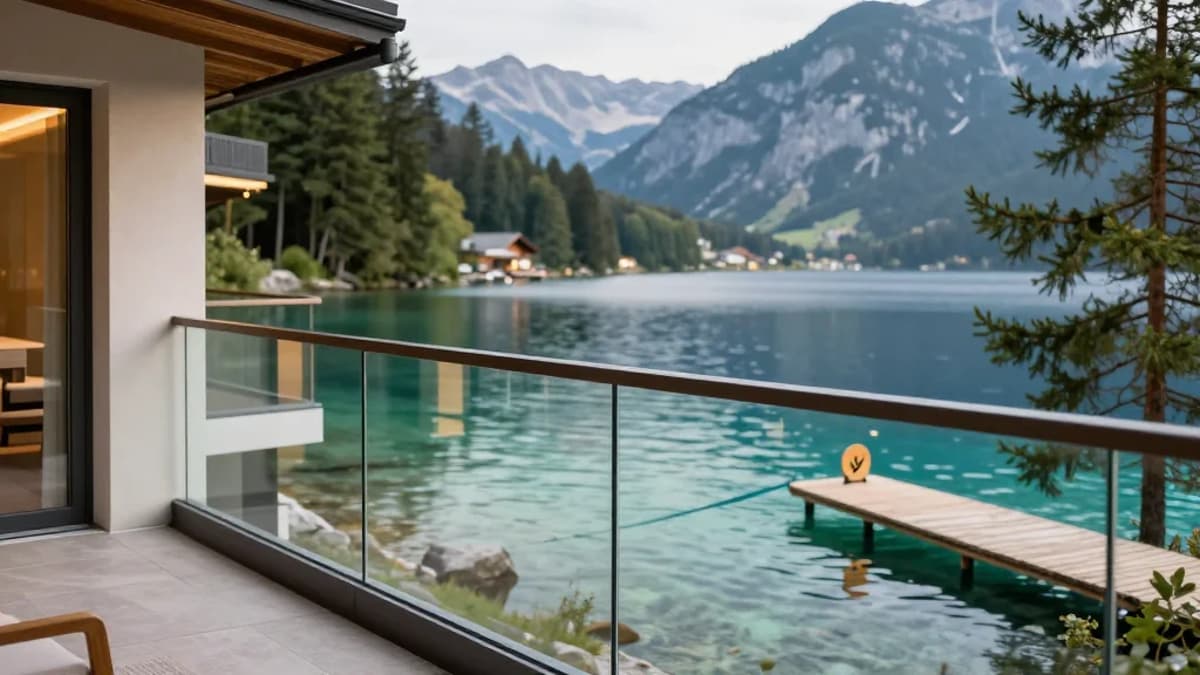
Swiss–Luxembourg and Lombardy Launch Trilateral Innovation Hub for Freshwater Preservation and Sustainable Tourism
•March 8, 2026
0
Why It Matters
Linking freshwater restoration with certified eco‑tourism creates a replicable model that drives both environmental outcomes and economic growth, reshaping Europe’s blue economy.
Key Takeaways
- •Luxembourg, Switzerland, Lombardy create CSMA freshwater hub.
- •Initiative targets plastic removal from lakes and rivers.
- •Certified SAFE Water Areas attract eco‑tourism revenue.
- •ESG framework links corporate funds to measurable restoration.
- •OBRIA oversees scientific monitoring and impact reporting.
Pulse Analysis
Europe’s freshwater ecosystems face mounting pressure from plastic waste, micro‑particles and habitat degradation, prompting governments to seek coordinated solutions. The Luxembourg‑Switzerland‑Lombardy hub leverages the Certified SAFE Marine Area framework to standardize protection standards across borders, while OBRIA’s scientific oversight ensures data‑driven restoration. By focusing on on‑the‑ground clean‑up operations rather than solely policy, the alliance addresses a critical gap in current conservation approaches and aligns with EU directives on water quality and biodiversity.
The economic dimension of the hub is equally strategic. Certified SAFE Water Areas become marketable assets for eco‑tourism operators, drawing visitors who value pristine waterways and responsible recreation. This influx supports local hospitality sectors and creates jobs tied to conservation activities. The embedded ESG framework offers corporations transparent, impact‑linked investment opportunities, reducing green‑washing risks and funneling capital into verifiable projects. As tourism demand shifts toward sustainability, the hub positions the three regions as leaders in the emerging blue‑economy market.
Beyond the immediate geography, the initiative serves as a prototype for international water‑preservation diplomacy. By integrating scientific research, tourism economics, and ESG financing, the model can be scaled to other river basins and lake districts worldwide. Success will depend on robust monitoring, stakeholder coordination, and the ability to translate environmental metrics into economic incentives. If replicated, such hubs could reshape global policy on freshwater protection, turning biodiversity stewardship into a driver of sustainable growth.
Swiss–Luxembourg and Lombardy Launch Trilateral Innovation Hub for Freshwater Preservation and Sustainable Tourism
0
Comments
Want to join the conversation?
Loading comments...