Thai Hoteliers Forecast Flat 2026 Foreign Arrivals, Cite Safety Concerns
•February 20, 2026
0
Why It Matters
Flat arrival forecasts signal limited revenue growth for Thai hotels, pressuring operators to address safety perception and labor challenges to stay competitive in the Southeast Asian market.
Key Takeaways
- •2026 foreign arrivals flat, short‑haul demand stagnant
- •Long‑haul growth offset by short‑haul decline
- •Occupancy 77% Jan, Southern region 84% occupancy
- •Labour shortages hurting service quality, not capacity
- •Safety perception and no new projects weaken competitiveness
Pulse Analysis
Thailand’s tourism image remains a double‑edged sword. While the country continues to draw long‑haul visitors from Europe and the Middle East, lingering safety concerns—fuelled by past incidents and media coverage—have tarnished its reputation among short‑haul travelers from neighboring markets. This perception gap is increasingly costly as lower‑priced alternatives such as Vietnam, Malaysia and the Philippines lure budget‑conscious tourists. Without a coordinated safety‑branding effort or new stimulus projects, the Thai hotel industry risks losing market share to these regional rivals, a trend reflected in the flat foreign‑arrival forecast for 2026.
The latest Hotel Business Operator Sentiment Index shows occupancy holding steady at 77 % in January, with the southern provinces outperforming at 84 % thanks to music festivals and seasonal events. In contrast, the northern region slipped to 68 %, highlighting uneven demand across the country. Labor shortages, particularly in the eastern corridor, are now affecting service quality rather than limiting room inventory, suggesting that operational costs may rise as hotels invest in training and retention. Four‑star and upscale properties remain optimistic, banking on European demand to drive incremental revenue.
Looking ahead, the sector hopes the Lunar New Year surge and the ‘Amazing Thailand 2026’ campaign, fronted by pop star Lisa Manobal, will inject fresh visitor spending. The Tourism Authority projects a 13 % rise in festival‑period circulation, translating to roughly 42 billion baht. However, the offsetting weakness in short‑haul markets means overall arrivals will likely stay flat, pressuring hotel operators to diversify revenue streams and improve cost efficiencies. Investors should monitor the government’s response to safety branding and any new tourism‑infrastructure initiatives, as these will be decisive for Thailand’s competitive positioning.
Thai hoteliers forecast flat 2026 foreign arrivals, cite safety concerns
Thai hotel operators expect overall foreign tourist numbers in 2026 to remain flat compared with last year, particularly among three-star and below properties reliant on shorthaul markets, excluding China. Anticipated growth in longhaul arrivals is expected to be offset by stagnation in shorthaul demand.
The latest Hotel Business Operator Sentiment Index for January 2026, conducted by the Thai Hotels Association (THA) and the Bank of Thailand, points to a cautious outlook among 99 respondents. While four-star and above properties anticipate growth from European markets, the wider industry warns that Thailand’s lingering negative safety image and the absence of new tourism stimulation projects are weakening its competitiveness against lower-priced regional rivals.
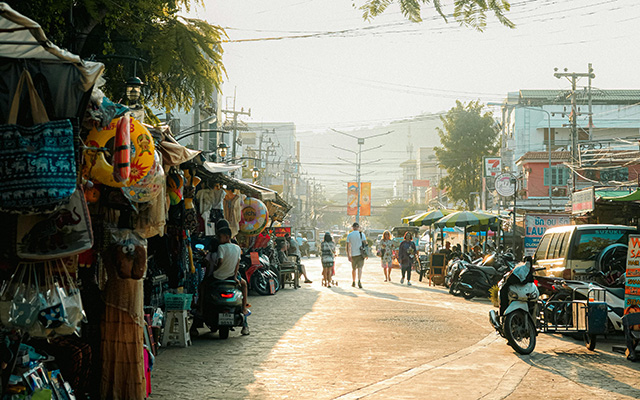
Thailand’s hotel sector anticipates steady foreign arrivals in 2026, supported by longhaul markets amid softer shorthaul demand
Occupancy rates in January averaged 77 per cent, stable month-on-month, with slight growth among four-star and above hotels. The February occupancy forecast stands at 73 per cent, though regional disparities are widening. Southern Thailand recorded an 84 per cent occupancy rate, significantly outperforming other regions, supported by major music festivals hosted in the area. In contrast, occupancy in the North fell to 68 per cent.
Labour shortages intensified in January, particularly in the East, although operators noted that the deficit is currently affecting service quality rather than capacity to accept guests.
The sentiment reflects volatile arrival figures reported by the Tourism and Sports Economics Division. January 2026 saw a sharp 39.6 per cent year-on-year decline in Chinese arrivals to 400,321, alongside a 31.5 per cent drop in the Malaysian market. However, the Russian and Indian markets showed resilience, posting growth of 6.6 per cent and 24.4 per cent respectively.
Despite the slow start to the year, the sector expects a near-term boost from Lunar New Year travel. The Tourism Authority of Thailand forecasts 42.23 billion baht (US$1.36 billion) in circulation during the February 13-22 festival period, a 13 per cent year-on-year increase, supported by the Amazing Thailand 2026 campaign fronted by Lisa Manobal as the Amazing Thailand Ambassador.
0
Comments
Want to join the conversation?
Loading comments...