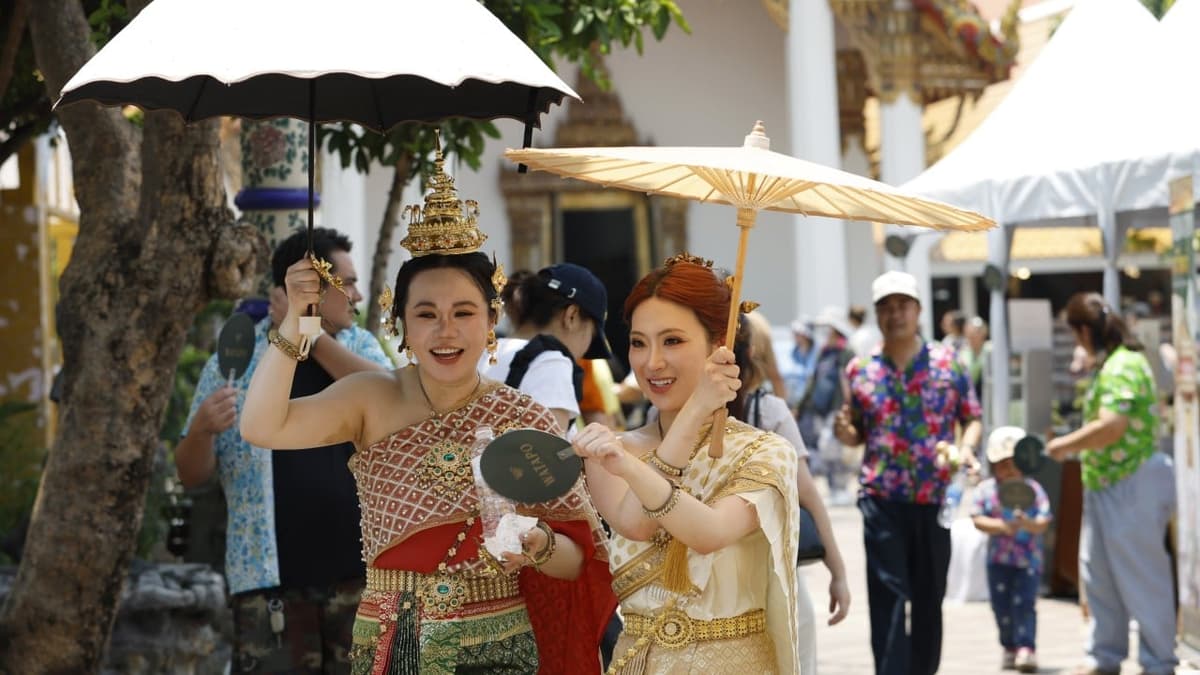
Thai Hotels Woo Asian Guests with Curated Stays as Iran War Keeps Europeans Away
Companies Mentioned
Why It Matters
The shift underscores how geopolitical tensions can rapidly reconfigure tourism demand, forcing hotel operators to pivot from high‑spending European guests to volume‑driven Asian travelers. This realignment reshapes revenue models across Thailand’s hospitality sector.
Key Takeaways
- •Centara's revenue down 6% since Iran war began
- •European arrivals fell >4%, Asian arrivals rose ~6% in March
- •Chinese and Indian guests now half of Centara's clientele
- •Hotels add photo shoots, late‑night noodles to attract Asian guests
Pulse Analysis
The escalation of the Iran conflict has disrupted traditional flight corridors that funnel European tourists through Middle Eastern hubs, sharply curtailing long‑haul arrivals to Thailand. Data from the tourism ministry shows a 4% drop in European visitors while Asia‑Pacific arrivals climbed nearly 6% in March, highlighting a swift reallocation of travel demand. For hotel chains like Centara, which historically relied on higher‑spending European guests, the immediate impact was a 6% revenue contraction compared with the previous year.
In response, Centara is re‑engineering its guest experience to cater to the preferences of Asian travelers. Initiatives such as on‑site photographers guiding guests to Instagram‑ready spots and late‑night noodle bowls reflect a nuanced understanding of regional tastes. These curated stays aim to boost occupancy and ancillary spend, compensating for the lower average spend per guest. While the new clientele may not match the yield of European tourists, the surge in Chinese and Indian visitors—now accounting for about half of Centara’s guests—has helped stabilize room inventory.
Looking ahead, analysts warn that prolonged geopolitical strain could keep long‑haul demand suppressed, prompting Thai hospitality to lean more heavily on volume and shorter trips from nearby Asian markets. Centara’s expanding footprint in the Maldives, Vietnam and Japan suggests a strategic diversification beyond Thailand, leveraging regional proximity to sustain growth. As events and conferences drive later‑year bookings, the sector’s resilience will hinge on its ability to balance high‑volume, lower‑margin traffic with targeted, experience‑driven offerings that enhance guest loyalty across the Asian market.
Thai hotels woo Asian guests with curated stays as Iran war keeps Europeans away
Comments
Want to join the conversation?
Loading comments...