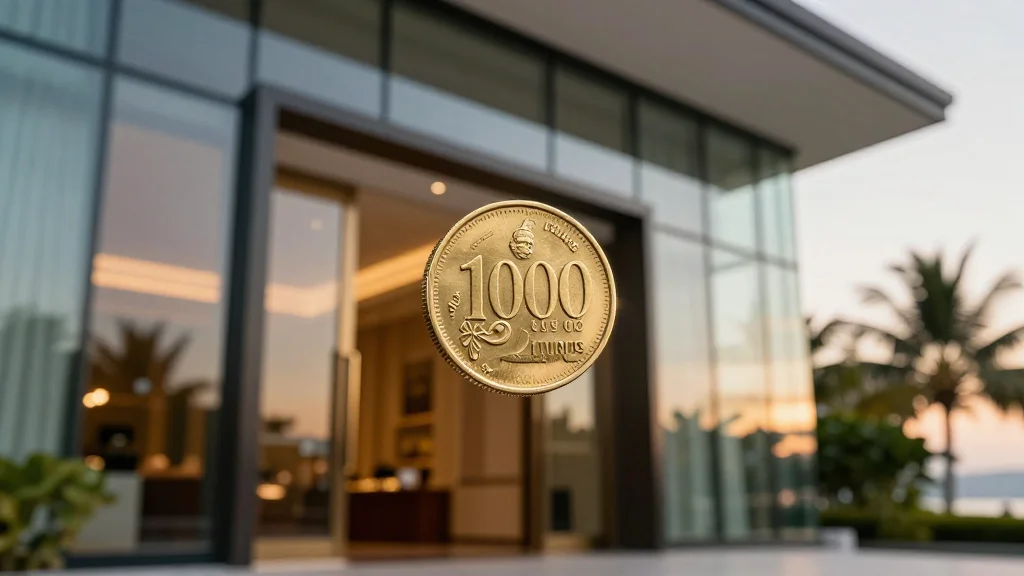
Thailand Considers 1,000 Baht Departure Tax for Travelers
Why It Matters
The levy could reshape Thailand’s post‑pandemic tourism recovery by redirecting outbound spending into domestic initiatives, but it also risks reducing the nation’s appeal to cost‑sensitive travelers amid intensifying regional competition.
Key Takeaways
- •Thailand proposes 1,000 baht ($31) departure tax for outbound travelers.
- •Revenue earmarked for domestic tourism development, potentially billions of baht annually.
- •Combined with 300 baht entry fee, total fees may affect price‑sensitive tourists.
- •Tourism accounts for ~20% of Thailand’s GDP, making competitiveness crucial.
- •Global rise of visitor taxes heightens scrutiny of Thailand’s recovery strategy.
Pulse Analysis
The proposed departure tax emerges as Thailand seeks fresh fiscal tools to rebuild its tourism sector after the pandemic. By levying 1,000 baht on each outbound trip, the government hopes to generate a steady stream of revenue that can be channeled into domestic travel campaigns, infrastructure upgrades, and marketing efforts aimed at encouraging Thai residents to explore their own country. Proponents argue that redirecting spending inward will help balance the current reliance on foreign visitors and create a more resilient tourism ecosystem.
However, the additional charge arrives at a delicate moment for a market that already faces rising costs. Thailand currently imposes a 300 baht ($9) entry fee and higher airport service surcharges, meaning the total tax burden for a typical traveler can exceed $50. In a region where Vietnam, Cambodia and Malaysia market themselves as low‑cost alternatives, even modest fee increases can sway budget‑conscious tourists. The move mirrors a global trend—Barcelona, Kyoto and New Zealand have all introduced visitor levies—but unlike those cities, Thailand is using the tax to stimulate demand rather than curb overtourism, a nuance that could affect traveler perception.
Policymakers now face a trade‑off between generating revenue and preserving Thailand’s reputation as an affordable gateway to Southeast Asia. If the levy is transparently linked to visible improvements—such as upgraded transport links, cleaned beaches, or enhanced safety measures—travelers may view the cost as an investment in a better experience. Conversely, opaque spending could amplify criticism and push visitors toward cheaper rivals. As other nations fine‑tune their tourism taxes, Thailand’s approach will serve as a bellwether for how emerging markets balance fiscal needs with competitive positioning.
Thailand Considers 1,000 Baht Departure Tax for Travelers
Comments
Want to join the conversation?
Loading comments...