The Burger Wars Get some New Life, Thanks to Social Media
•March 3, 2026
0
Why It Matters
The viral exchange amplifies brand visibility and demonstrates how executive‑level social media can sway consumer perception in the fast‑food sector. It also heightens competitive pressure, forcing rivals to innovate both product‑wise and digitally.
Key Takeaways
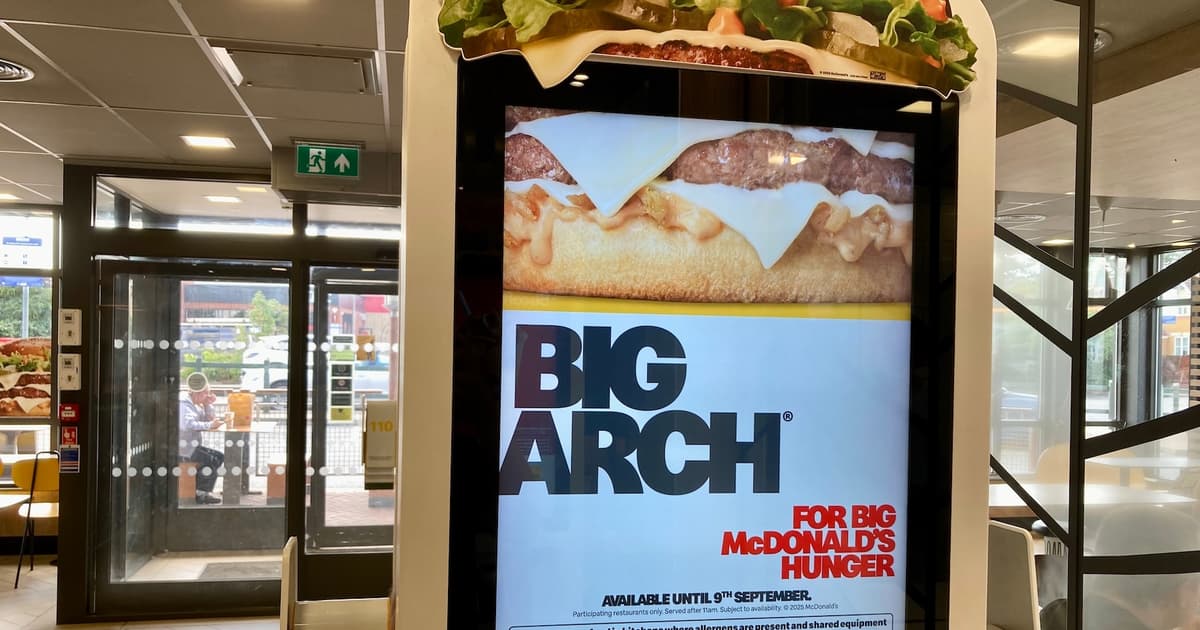
- •McDonald’s launches Big Arch, its largest burger yet
- •CEO Chris Kempczinski promoted burger via Instagram video
- •Social media mocked CEO’s authenticity, turning video viral
- •Burger King countered with president Tom Curtis eating Whopper
- •Meme exposure generated massive impressions ahead of launch
Pulse Analysis
The Big Arch’s debut illustrates how fast‑food chains are leveraging executive personalities to cut through advertising clutter. By posting a casual bite‑test video, Chris Kempczinski aimed to humanize the brand and showcase the burger’s scale, yet the audience’s backlash over perceived inauthenticity turned the moment into a meme. This paradox highlights the double‑edged sword of CEO‑driven social content: it can generate buzz quickly, but missteps are amplified in real time, influencing brand sentiment before the product even reaches shelves.
Burger King’s swift counter‑move—featuring its U.S. president Tom Curtis taking an unapologetically messy bite of the revamped Whopper—demonstrates how rivals can capitalize on a competitor’s misfire. The brand’s choice to emphasize raw, unfiltered consumption resonated with a digital audience craving authenticity, reinforcing its positioning as the bold alternative. Metrics from the exchange show spikes in impressions, shares, and brand‑related searches, confirming that meme‑fuelled engagement can translate into measurable marketing ROI, especially when tied to a product launch.
Beyond the immediate rivalry, the episode signals a broader shift in fast‑food marketing strategy. Social platforms are now primary launch pads, where product announcements are intertwined with personality‑driven storytelling. Companies must balance spectacle with genuine interaction, as consumers increasingly scrutinize authenticity. As the burger wars intensify, we can expect more brands to enlist senior leaders in viral campaigns, while also investing in rapid response teams to manage the unpredictable currents of online discourse.
The burger wars get some new life, thanks to social media
0
Comments
Want to join the conversation?
Loading comments...