Why It Matters
The measure forces the hospitality sector to redesign its amenity supply chain, driving circular‑economy practices and reducing Europe’s per‑capita packaging waste. Early compliance can become a differentiator for hotels competing on sustainability credentials.
Key Takeaways
- •EU PPWR bans single‑use hotel toiletries by 2030
- •Hotels must adopt refillable dispensers from 2025 onward
- •Regulation covers all 27 EU states, affecting suppliers too
- •Compliance drives circular economy, reducing 190 kg per capita waste
- •Guest‑brought items remain exempt, limiting consumer impact
Pulse Analysis
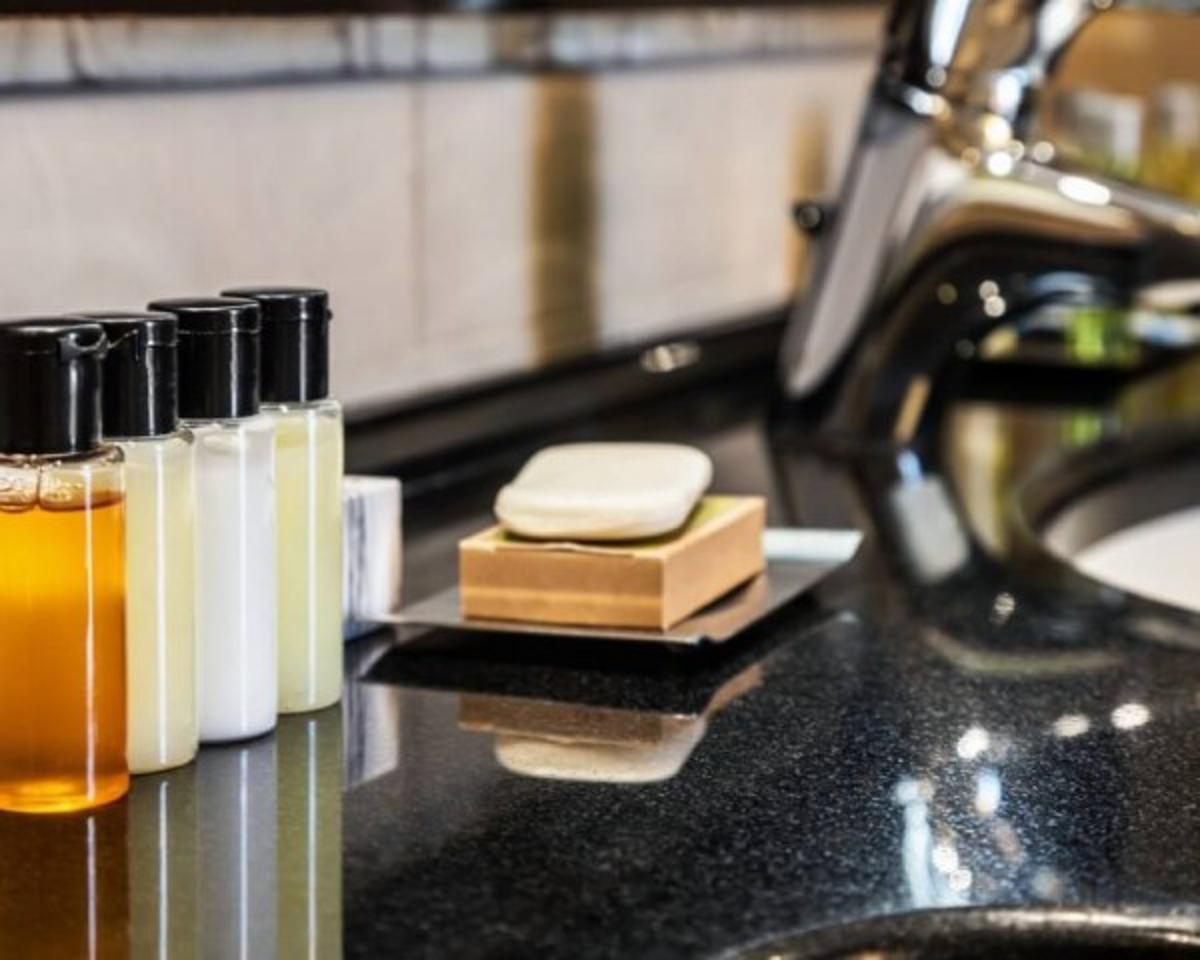
The EU’s Packaging and Packaging Waste Regulation (PPWR) is a cornerstone of the European Green Deal, targeting the continent’s staggering 190 kilograms of packaging waste per person each year. Adopted in late 2024 and published in early 2025, the rule introduces a phased timeline: initial standards become enforceable in August 2026, while a comprehensive ban on disposable hotel amenities—mini shampoo bottles, single‑serve condiments, and similar items—kicks in on 1 January 2030. By mandating higher recyclability, clearer labeling, and data transparency, the EU aims to shift the hospitality industry toward reusable, refillable solutions that align with circular‑economy objectives.
For hoteliers, the regulation translates into tangible operational changes. Wall‑mounted dispensers for soap, shampoo, and conditioner, already popular among environmentally conscious brands, will become the default amenity delivery method. While the upfront investment in hardware and supplier contracts may raise short‑term costs, hotels can offset expenses through reduced procurement of single‑use containers and lower waste‑management fees. Guest experience is also evolving; travelers increasingly expect sustainable options, and refill stations offer a seamless, hygienic alternative that can enhance brand perception. Suppliers must redesign packaging formats, focusing on bulk refill packs and durable containers that meet the new compliance thresholds.
The broader market impact extends beyond hotels. Manufacturers of personal‑care and food‑service products are compelled to innovate, developing refill‑compatible formulations and recyclable packaging that satisfy EU standards. This regulatory pressure is likely to accelerate the growth of refill‑as‑a‑service platforms and create new revenue streams for firms that can provide turnkey solutions. A comprehensive impact assessment slated for 2032 will gauge waste reduction outcomes, potentially prompting further policy tweaks. Early adopters that embed sustainability into their core operations stand to gain a competitive edge, attracting eco‑aware guests and positioning themselves as leaders in the emerging circular hospitality economy.
THE EU TARGETS HOTEL ROOMS TO REDUCE PACKAGING WASTE
0
Comments
Want to join the conversation?
Loading comments...