THE K-SHAPED MARITIME ECONOMY: ULTRA-LUXURY YACHT SUB-BRANDS VS. MEGASHIP ECONOMICS
Why It Matters
Yacht sub‑brands retain pricing power amid economic swings, offering investors a hedge tied to global wealth trends, while cruise operators remain sensitive to broader travel demand and cost volatility, shaping distinct risk‑return profiles.
Key Takeaways
- •Yacht sub‑brands target ultra‑wealthy with bespoke, high‑margin projects
- •Cruise megaships rely on scale, occupancy and ancillary revenue
- •Supply constraints give superyachts pricing power despite economic cycles
- •Sustainability drives cleaner propulsion in both luxury yachts and cruise fleets
- •Investors watch wealth trends for yachts, tourism demand for cruises
Pulse Analysis
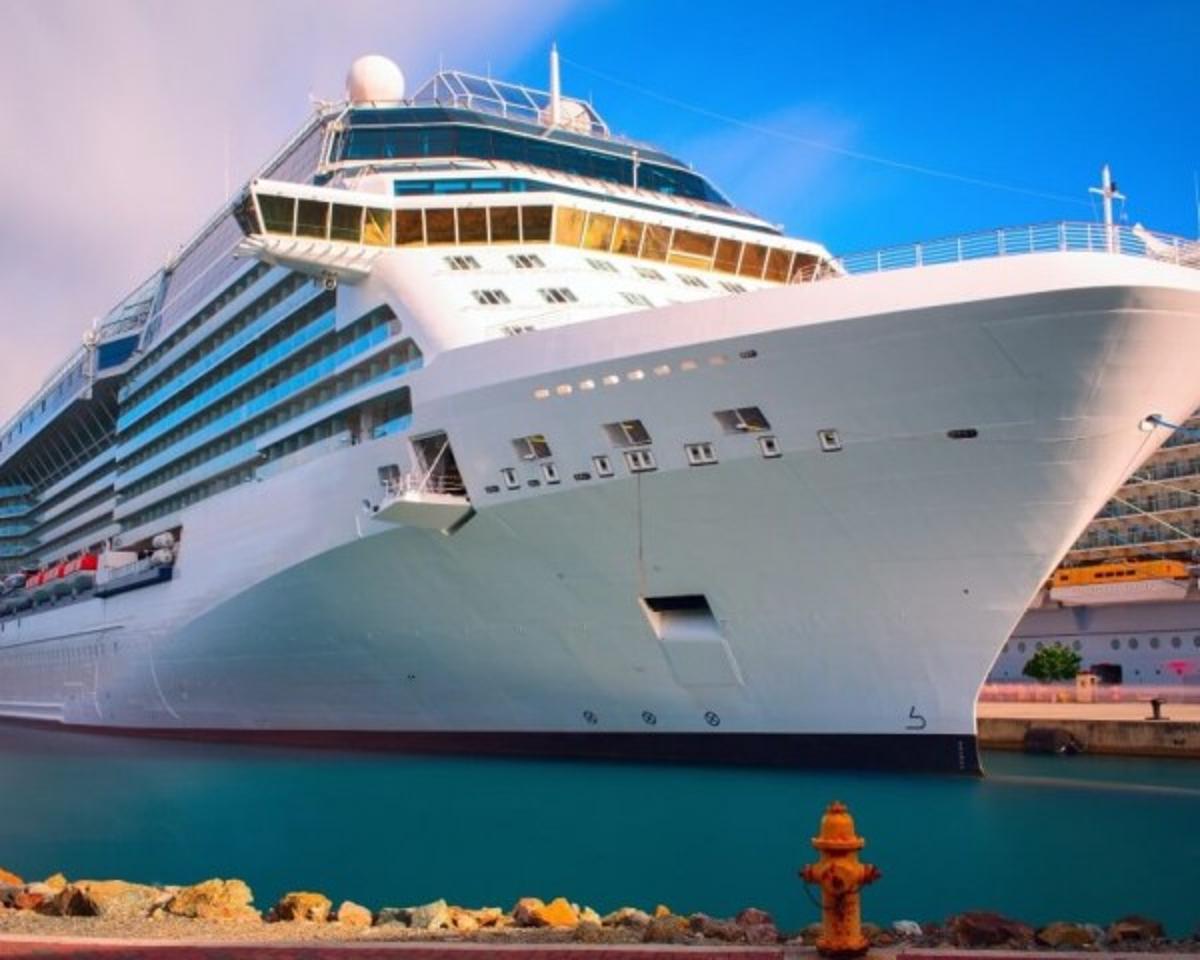
The rise of a K‑shaped maritime economy reflects broader wealth polarization. Ultra‑luxury yacht sub‑brands are leveraging scarcity and personalization to command premium prices, turning each vessel into a floating status symbol and investment asset. This model thrives on a growing ultra‑high‑net‑worth cohort that values exclusivity over cost, allowing shipyards to maintain strong margins despite limited production volumes. Meanwhile, cruise operators double down on megaship construction, spreading fixed expenses across thousands of guests and extracting revenue from accommodations, dining, retail and shore excursions.
Superyacht economics hinge on bespoke engineering, limited skilled labor and lengthy build cycles, creating a supply‑constrained market that sustains pricing power even in downturns. Owners often offset operating costs through charter programs, but the primary driver remains lifestyle enhancement and wealth preservation. The demographic shift toward younger, globally mobile billionaires amplifies demand for larger, technologically advanced vessels equipped with wellness centers, heli‑pads and smart connectivity. For investors, the yacht segment offers exposure to luxury spending patterns and a hedge against broader market volatility.
Conversely, cruise lines operate on thin margins that demand relentless efficiency. Fuel, labor and port fees dominate cost structures, prompting operators to adopt alternative fuels, shore‑power solutions and advanced wastewater treatment to meet tightening environmental regulations. Data analytics and AI are reshaping guest experiences and predictive maintenance, driving incremental revenue per passenger. However, cruise performance remains tightly linked to tourism confidence, discretionary spending and macro‑economic cycles, making the sector more cyclical than its ultra‑luxury counterpart. Understanding these divergent dynamics is essential for capital allocation decisions in the evolving maritime landscape.
THE K-SHAPED MARITIME ECONOMY: ULTRA-LUXURY YACHT SUB-BRANDS VS. MEGASHIP ECONOMICS
Comments
Want to join the conversation?
Loading comments...