The Most Interesting Thing Hoshino Resorts Is Doing Isn’t Luxury
Why It Matters
OMO shows that authentic, community‑centric experiences can drive differentiation and profitability even in price‑sensitive segments, reshaping how hotel chains approach the budget market.
Key Takeaways
- •OMO uses “Rangers” to guide guests to neighborhood experiences
- •Numbering system categorizes hotels by amenities, not star rating
- •Budget focus blends local culture with modern design
- •Hoshino leverages OMO to diversify beyond luxury flagship
- •OMO’s model challenges traditional business‑hotel competition
Pulse Analysis
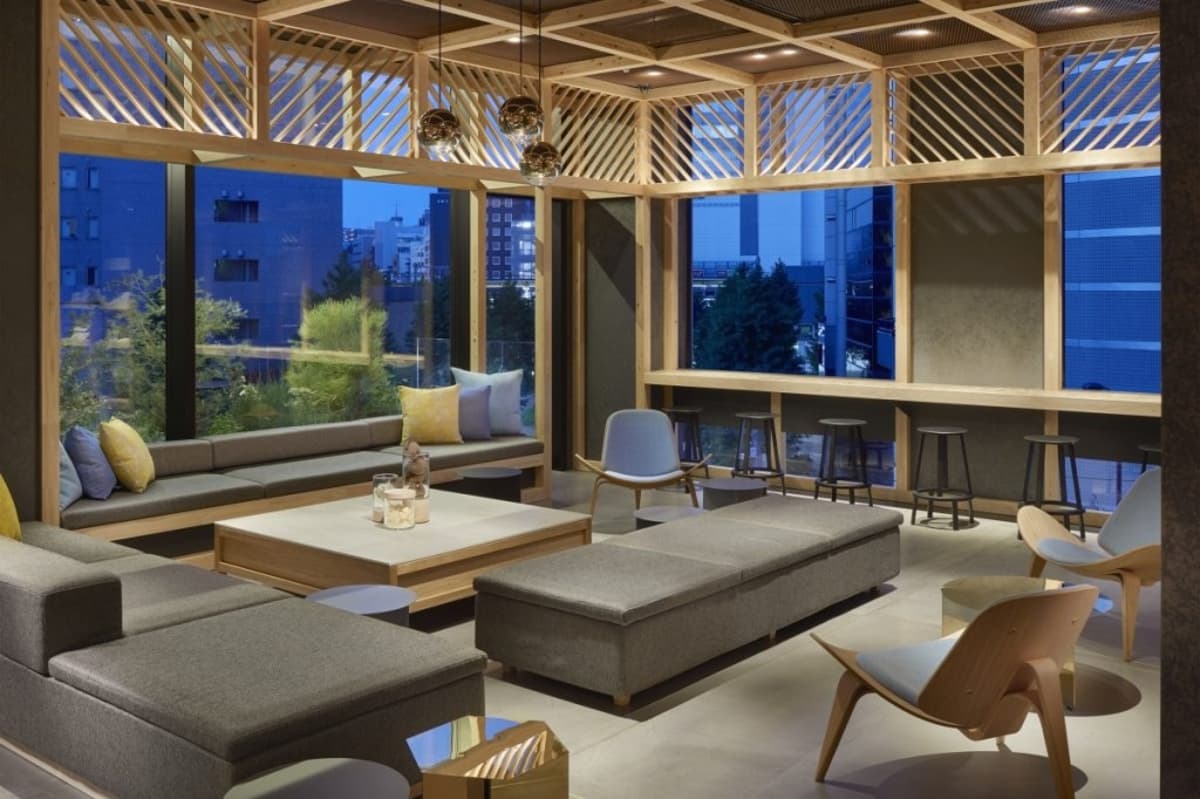
Hoshino Resorts, best known for the ultra‑luxury Hoshinoya line, launched OMO in 2018 as a deliberate foray into Japan’s crowded business‑hotel segment. Rather than chasing low‑price wars, OMO positions itself as a “neighbourhood hotel,” using architecture and service design to embed each property within its surrounding district. This strategy reflects a growing consumer appetite for authentic, place‑based experiences even when travelers are price‑sensitive. By marrying affordability with curated local immersion, OMO creates a hybrid value proposition that blurs the traditional line between budget and boutique.
The brand’s signature OMO Rangers are local‑knowledge ambassadors who recommend eateries, markets, and cultural sites that lie off the typical tourist radar. Staff are recruited from the community and trained to act as cultural interpreters, turning a standard check‑in into a personalized itinerary. This human‑centric model not only elevates guest satisfaction but also drives foot traffic to nearby businesses, fostering a micro‑economy around each hotel. The approach is difficult for competitors to replicate because it relies on deep, ongoing community relationships rather than a static service script.
OMO’s success signals a broader shift in the hospitality industry toward experience‑driven economics, especially in dense urban markets where differentiation is scarce. International chains watching Japan may adopt similar “local guide” programs to stay relevant with millennial and Gen‑Z travelers who value authenticity over opulence. For Hoshino, the budget brand diversifies revenue streams and reduces reliance on the luxury segment, providing resilience against economic downturns. As more operators experiment with community‑centric designs, the definition of value in hotel lodging is poised to evolve. Industry analysts expect this model to accelerate as travel demand rebounds.
The Most Interesting Thing Hoshino Resorts Is Doing Isn’t Luxury
Comments
Want to join the conversation?
Loading comments...