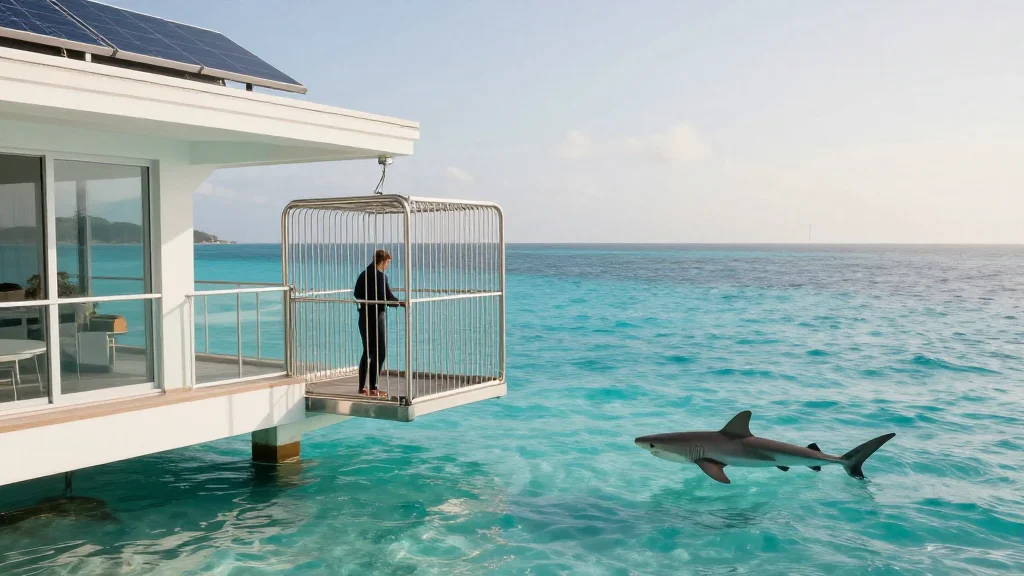
The Murky Ethics of Swimming With Killer Whales
Why It Matters
The growing orca‑swim tourism pits local revenue gains against potential harm to a protected apex predator, prompting regulators and conservationists to reassess wildlife‑tourism policies.
Key Takeaways
- •Orca‑swim tours exist only in Mexico and Norway.
- •Tourist numbers rise, boosting local economies but sparking friction.
- •Scientists lack data on long‑term impacts of human‑orca interaction.
- •No recorded wild orca attacks, yet risk concerns grow.
- •Social media fuels demand for rare wildlife experiences.
Pulse Analysis
The only two places on Earth where tourists can legally swim alongside wild killer whales are La Ventana on Mexico’s Baja California peninsula and the remote fishing village of Skjervøy in northern Norway. In the past year, both towns have seen a 40‑percent jump in bookings, as Instagram reels and TikTok clips showcase the dramatic silhouettes of 20‑foot orcas surfacing beside snorkelers. The influx has injected an estimated $3 million into local businesses, from charter operators to boutique hotels, turning a quiet coastal economy into a seasonal hotspot.
Despite the financial upside, marine biologists caution that repeated human proximity may disrupt the orcas’ natural behavior, stress their social structures, and alter hunting patterns that have evolved over millennia. The scientific community admits there is no longitudinal data on how constant boat traffic and swimmers affect the animals’ health or calf survival rates. Moreover, while no fatal attacks have been recorded in the wild, the same intelligence that makes orcas charismatic also means they can react unpredictably under pressure, raising liability concerns for tour operators.
Regulators in Mexico and Norway are now grappling with how to balance economic growth against conservation imperatives. Proposals include limiting group sizes, enforcing minimum distances, and requiring mandatory briefings on orca behavior. Some operators are experimenting with virtual‑reality experiences that deliver the thrill without physical contact. For consumers, the ethical calculus is shifting: the allure of a viral moment must be weighed against the potential cost to a protected species. As the debate unfolds, responsible tourism may become the decisive factor in the future of orca‑swim ventures.
The Murky Ethics of Swimming With Killer Whales
Comments
Want to join the conversation?
Loading comments...