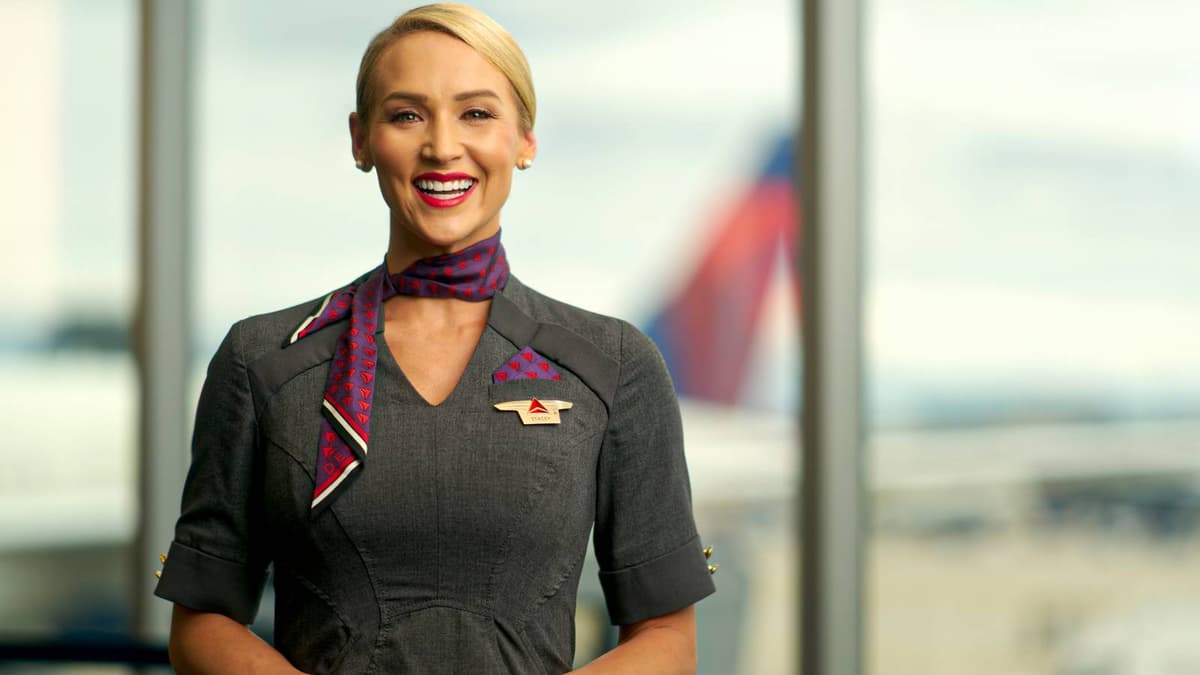
The Secret 3-Second Security Scan Flight Attendants Perform On Every Passenger During Boarding
Companies Mentioned
Why It Matters
Accurate passenger profiling enhances evacuation efficiency and reduces costly disruptions, directly impacting airline safety records and operational costs.
Key Takeaways
- •Flight attendants scan passengers in 3 seconds for safety cues
- •Able-bodied passengers aid evacuations and restrain disruptive travelers
- •Exit‑row eligibility requires age, mobility, English, no pets or seat‑belt extenders
- •Air‑rage incidents surged post‑COVID, increasing crew vigilance
- •Airlines monetize exit‑row seats, complicating seat‑swap logistics
Pulse Analysis
Flight attendants’ three‑second scan is more than a courtesy greeting; it is a calibrated safety protocol embedded in airline training programs. By observing posture, gait, attire, and language cues, crew members quickly gauge a passenger’s physical capability, English comprehension, and potential for disruptive behavior. This rapid assessment enables crews to earmark able‑bodied travelers who can assist with emergency exits, operate evacuation slides, or help restrain unruly individuals, thereby streamlining response times during critical moments.
Regulatory standards dictate strict criteria for exit‑row seating: passengers must be at least 15 years old, possess full mobility, understand crew instructions in English, and travel without pets or seat‑belt extenders. Airlines now monetize these coveted seats, advertising extra legroom and charging premiums, which adds a logistical layer when crew must reassign seats to meet safety requirements. The need to balance revenue generation with compliance often forces flight attendants to negotiate seat swaps on the fly, a process that can affect passenger satisfaction and operational flow.
Since the pandemic’s rebound, air‑rage incidents have surged, prompting airlines to reinforce vigilance during boarding. The heightened frequency of intoxicated or belligerent passengers places additional strain on cabin crews, who must simultaneously manage service delivery and safety monitoring. As airlines explore technology‑assisted solutions—such as AI‑driven facial analysis—to augment human observation, the core practice of the three‑second scan remains a cornerstone of aviation safety, underscoring the industry’s commitment to protecting passengers while maintaining efficient, revenue‑driven operations.
The Secret 3-Second Security Scan Flight Attendants Perform On Every Passenger During Boarding
Comments
Want to join the conversation?
Loading comments...