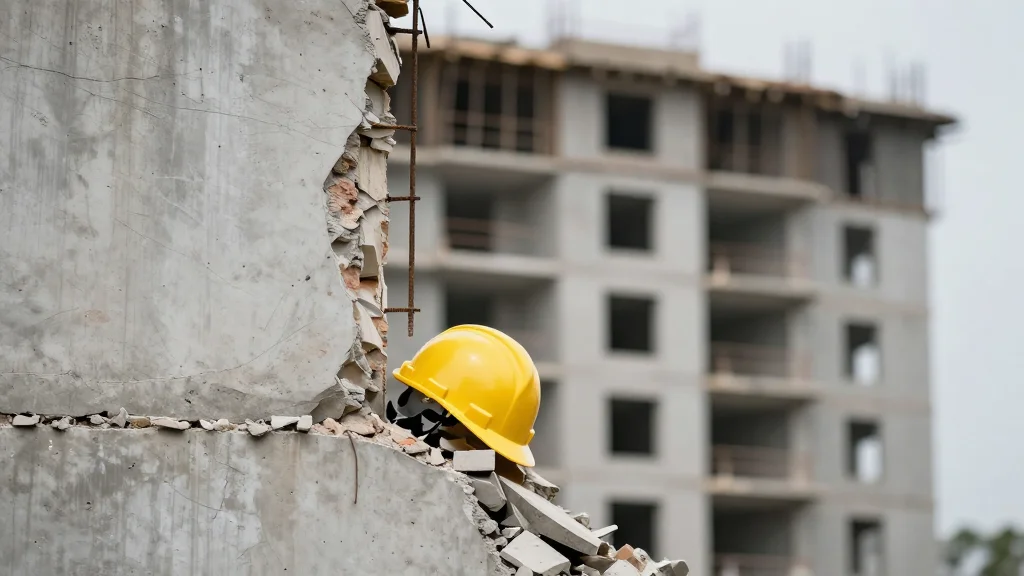
Three Dead, 17 Missing After Nine‑Story Hotel Collapse in Angeles City, Philippines

Why It Matters
The collapse underscores systemic safety gaps in the Philippines' fast‑growing hospitality construction sector, where demand for new hotels often collides with inadequate oversight. A fatal incident of this scale can deter foreign tourists, erode confidence in budget accommodations, and prompt stricter enforcement of building codes, affecting developers and investors across the region. Moreover, the tragedy highlights the human cost of rushed construction practices, pressuring policymakers to balance economic growth with worker safety. For the broader hotel industry, the disaster serves as a cautionary tale about the importance of rigorous site inspections, transparent contractor vetting, and emergency preparedness. As the Clark Freeport Zone continues to attract international visitors, any perceived lapse in safety could ripple through occupancy rates, insurance premiums, and future development approvals.
Key Takeaways
- •Three fatalities confirmed, including a Malaysian tourist, after a nine‑story hotel under construction collapsed in Angeles City.
- •Seventeen workers remain missing; rescue teams have extracted two, one of whom died on site.
- •Mayor Carmelo Lazatin pledged to keep rescue efforts focused on saving lives rather than body retrieval.
- •National police will investigate possible violations of safety and building regulations.
- •The incident raises scrutiny on construction standards in the rapidly expanding Clark Freeport Zone.
Pulse Analysis
The Angeles City collapse is likely to trigger a regulatory ripple effect across the Philippines' hospitality construction market. Historically, the country has struggled with enforcement of the National Building Code, especially in peripheral growth zones like Clark where foreign investment and tourism drive rapid project turnover. In the wake of this disaster, the Department of Public Works and Highways may tighten permit reviews and impose stricter on‑site safety audits, which could slow down new hotel openings but ultimately raise the quality bar.
Investors should watch for a potential shift in risk premiums for hotel development projects in the region. Insurance carriers are expected to reassess underwriting criteria, possibly demanding higher coverage limits or proof of compliance with international safety standards such as ISO 45001. Developers who can demonstrate robust safety management systems may gain a competitive edge, attracting capital that is increasingly risk‑averse after high‑profile failures.
Finally, the human element cannot be ignored. The loss of workers sleeping on-site points to a broader labor practice issue—informal housing for construction crews that leaves them vulnerable in emergencies. Advocacy groups may push for legislation mandating proper on‑site accommodation, which could increase operational costs but improve worker welfare. The industry's response to these pressures will shape its reputation and resilience in a market where safety perception directly influences tourist confidence.
Three Dead, 17 Missing After Nine‑Story Hotel Collapse in Angeles City, Philippines
Comments
Want to join the conversation?
Loading comments...