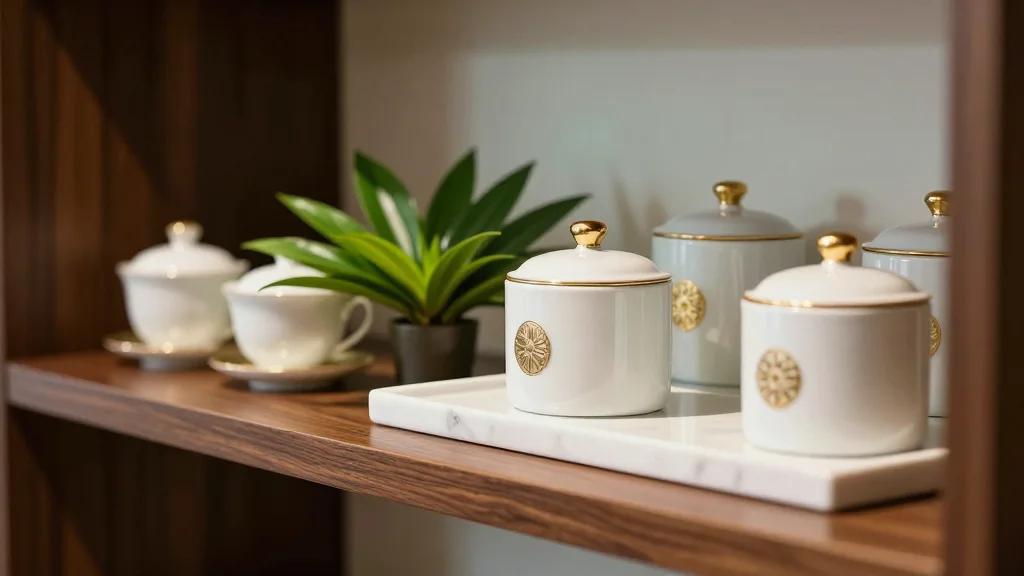
TIA Wellness Resort Expands Da Nang Boutique by 25% and Launches Signature Tea Line

Why It Matters
The boutique expansion illustrates a pivotal shift in the luxury hotel sector: properties are no longer just places to sleep but holistic lifestyle brands. By integrating retail, resorts can generate ancillary revenue, deepen guest loyalty, and differentiate themselves in a crowded market where wellness experiences command premium pricing. For investors and operators, the TIA model signals a scalable blueprint for monetizing brand equity beyond room nights. Moreover, the introduction of a curated tea collection taps into the fast‑growing functional beverage market, allowing the resort to participate in consumer packaged goods distribution. If the blends prove popular, they could become a standalone product line, further blurring the line between hospitality services and retail commerce.
Key Takeaways
- •TIA Wellness Resort’s boutique in Da Nang grew 25% larger, adding new product categories.
- •The expansion includes a five‑blend Signature Tea Collection with botanicals like chamomile and butterfly pea flower.
- •Products feature wellness‑centric designs such as mala‑bead‑inspired curtain tassels and affirmation cards.
- •Boutique‑led brand extensions are a rising trend among luxury resorts seeking higher per‑guest spend.
- •The tea line creates a crossover opportunity into functional beverage markets beyond the resort.
Pulse Analysis
TIA Wellness Resort’s decision to enlarge its boutique reflects a strategic pivot toward brand‑centric retail that many upscale hotels are adopting. Historically, luxury hotels relied on room revenue and ancillary services like dining and spa. Over the past decade, the industry has witnessed a gradual migration toward experiential retail, where the property’s aesthetic and ethos become sellable commodities. TIA’s 25% expansion not only adds square footage but also diversifies its revenue mix, reducing dependence on occupancy cycles that can be volatile in a post‑pandemic travel environment.
From a competitive standpoint, the move positions TIA ahead of regional peers that have yet to integrate a robust retail component. By offering proprietary wellness products and a signature tea line, the resort creates a unique value proposition that can be leveraged in marketing campaigns and loyalty programs. The tea blends, in particular, tap into a $70 billion global functional beverage market, suggesting a potential for scaling the product line beyond the resort’s physical confines. If TIA can secure distribution partnerships, the tea collection could become a standalone profit center, further insulating the brand from tourism downturns.
Looking forward, the success of TIA’s boutique expansion will likely hinge on its ability to maintain the perceived exclusivity and quality of its offerings. Over‑extension or dilution of the brand narrative could erode the premium cachet that justifies higher price points. However, if the resort continues to align product releases with its wellness programming—rotating teas in sync with seasonal retreats and curating limited‑edition merchandise tied to on‑site experiences—it can reinforce a virtuous cycle of guest engagement, repeat purchases, and brand advocacy. This integrated approach may become a template for other luxury resorts seeking to transform their properties into full‑stack lifestyle brands.
TIA Wellness Resort Expands Da Nang Boutique by 25% and Launches Signature Tea Line
Comments
Want to join the conversation?
Loading comments...