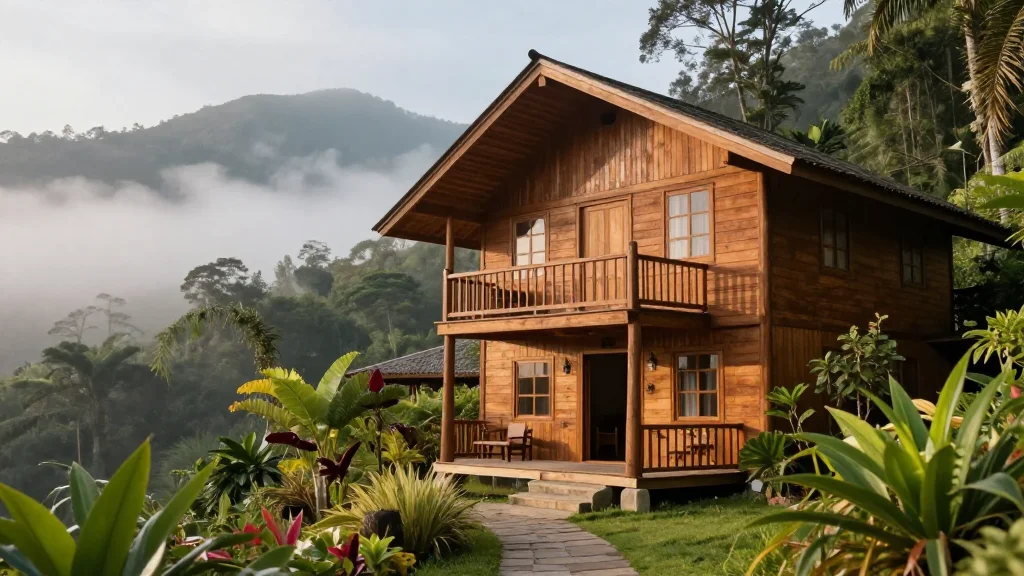
Tourism Beyond Panama City: Why the Interior Holds the Key to Panama’s Economic Future
Why It Matters
Broadening tourism beyond the capital can diversify Panama’s export earnings, create thousands of jobs in underserved provinces, and strengthen the country’s brand as a sustainable destination, driving long‑term economic resilience.
Key Takeaways
- •Inland tourism could add $1 billion to Panama’s GDP by 2030
- •Provinces host beaches, cloud forests, coffee farms, and UNESCO sites
- •Upgrading regional airports and highways needed for visitor flow
- •Sustainable eco‑tourism attracts high‑spending, long‑stay travelers
- •Diversifying tourism reduces regional inequality and creates thousands of jobs
Pulse Analysis
Panama’s tourism engine has long been powered by the bustling capital, where most hotels, cruise‑ship terminals and attractions sit. In 2023 the country welcomed more than 2.5 million visitors who collectively spent over $5 billion, accounting for roughly a dozen percent of national output. Yet the concentration of activity in Panama City leaves the interior provinces—home to rich biodiversity, coffee plantations and UNESCO heritage sites—under‑leveraged, limiting the sector’s potential to act as a broader economic catalyst.
Global travelers are increasingly seeking authentic, nature‑based experiences that combine adventure, culture and sustainability. Panama’s interior offers exactly that: pristine cloud forests in Chiriquí, whale‑watching in Bocas del Toro, indigenous heritage in Veraguas, and the untouched rainforests of Darién. Studies from the World Bank show that rural tourism generates higher income‑distribution benefits than urban‑centric models, as visitor dollars flow directly to family‑run lodges, local artisans and small‑scale farmers. By positioning these assets within a sustainable tourism framework, Panama can attract higher‑spending, longer‑stay guests who value environmental stewardship and community immersion.
Realizing this vision hinges on strategic public‑private investment in safety and connectivity. Upgraded highways, modernized regional airports, bilingual signage and robust digital promotion are essential to lower travel friction and improve perception of security. When infrastructure aligns with market demand, provinces can experience rapid job creation, reduced regional inequality, and a diversified export profile that complements Panama’s logistics and financial services strengths. The resulting spillover—greater tax revenues, stronger local supply chains and an enhanced international brand—positions Panama as a leading sustainable tourism destination in Latin America.
Tourism Beyond Panama City: Why the Interior Holds the Key to Panama’s Economic Future
Comments
Want to join the conversation?
Loading comments...