Tourism Businesses See Health and Safety Advantages in Pursuit of Halal Certification
Companies Mentioned
Why It Matters
Halal certification not only opens a fast‑growing Muslim travel market but also elevates overall food safety, giving operators a competitive edge in a post‑pandemic hospitality landscape. Its adoption signals Macau’s commitment to diversified tourism and sets a benchmark for regional peers.
Key Takeaways
- •Halal certification adds health‑safety layer comparable to HACCP standards
- •Macao ranks 5th for Muslim‑women friendliness in GMTI 2025
- •Staff training remains the biggest hurdle for halal restaurant certification
- •Public‑private partnership drives Macau’s Muslim‑tourism infrastructure upgrades
- •Hong Kong retailers aim to educate market that halal is universal
Pulse Analysis
The rise of halal tourism is reshaping hospitality standards across Asia, with Macau positioning itself at the forefront. By aligning halal audits with HACCP principles, businesses gain an extra layer of food safety that appeals to both Muslim and non‑Muslim diners. This dual benefit is driving operators to seek certification not merely as a niche credential but as a universal quality seal, enhancing brand trust in a market still recovering from pandemic‑related health concerns.
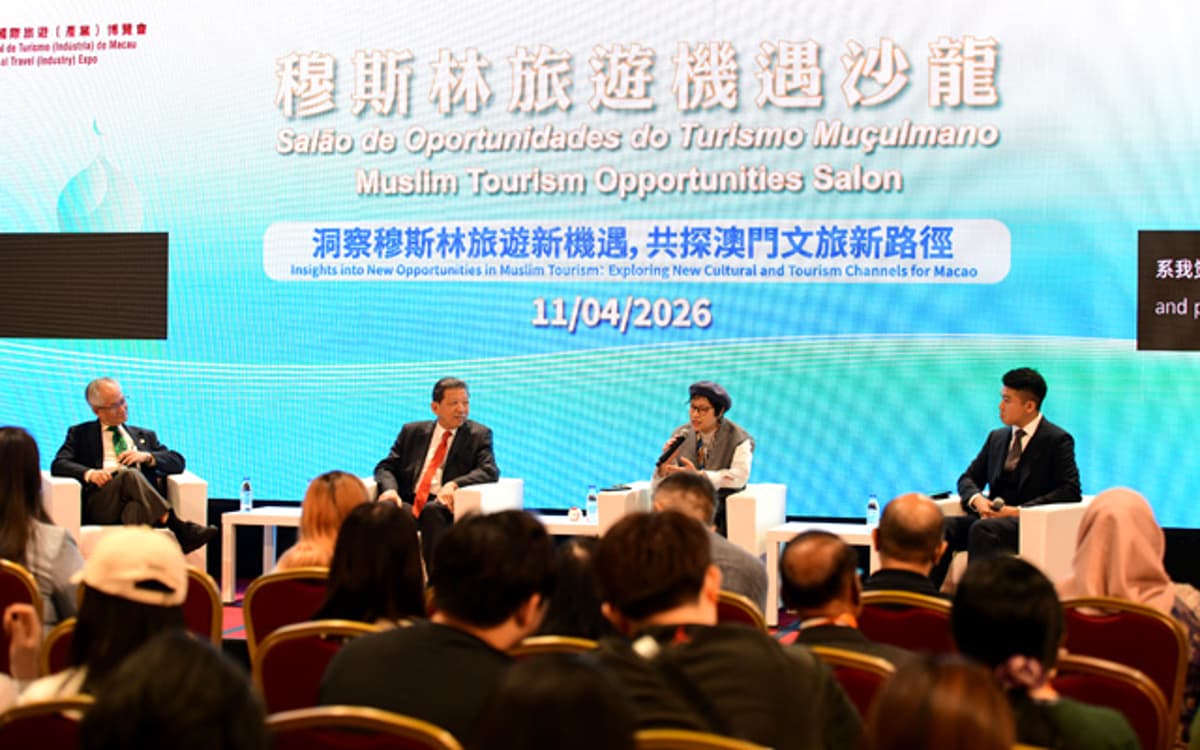
Macau’s inclusion in the Global Muslim Travel Index 2025 reflects a concerted effort by the government and private sector to capture Muslim discretionary spend. The region’s fifth‑place ranking for Muslim‑women‑friendly destinations and its overall 16th position underscore the effectiveness of targeted infrastructure upgrades, marketing campaigns, and streamlined certification pathways. Collaboration with Hong Kong promises to create a cross‑border tourism corridor, leveraging Hong Kong’s logistics expertise and Macau’s hospitality assets to deliver seamless Muslim‑friendly experiences.
Despite the upside, operational challenges persist. Training staff to understand halal requirements proved the most difficult step for properties like the Regency Art Hotel, highlighting a broader skills gap in the industry. Retailers such as In‑Mart are seizing the moment to educate consumers that halal products meet universal safety standards, expanding the market beyond religious lines. As awareness grows, businesses that invest early in certification, staff development, and consumer education are likely to capture a larger share of the projected $220 billion global halal travel market.
Tourism businesses see health and safety advantages in pursuit of halal certification
Comments
Want to join the conversation?
Loading comments...