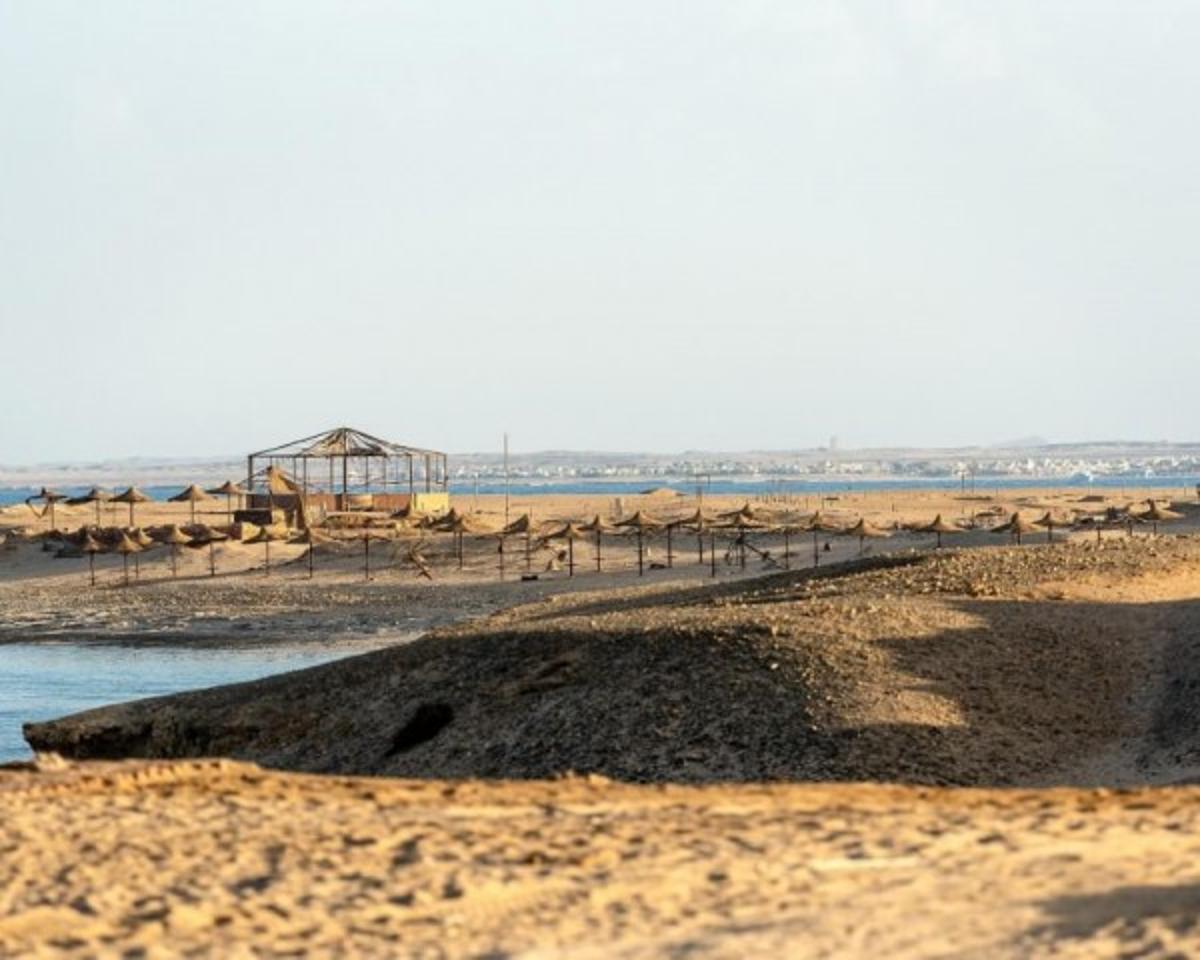
TOURISM SECTOR OF EGYPT AND JORDAN AFFECTED BY THE WAR
Why It Matters
The curfew illustrates how geopolitical tension can force energy‑saving policies that immediately depress consumer spending and tourism revenue, exposing economic fragility in Egypt and Jordan.
Key Takeaways
- •Egypt mandates early shop closures to curb evening peak electricity use
- •Tourism zones exempted from curfew to protect visitor experience
- •Jordan's Petra saw only 2,000 visitors post‑Ramadan, a sharp drop
- •Small eateries report revenue losses of 30‑50% after curfew
- •Fuel price spikes from Iran‑linked conflict pressure regional tourism economies
Pulse Analysis
The Iran‑linked conflict has sent global fuel prices soaring, hitting Egypt especially hard because the country relies on natural‑gas‑fired power plants. In response, Cairo’s cabinet introduced a nightly curfew that forces shops, cafés and small retailers to dim lights and shut doors by 9 p.m. The policy aims to trim the evening electricity peak, reduce vehicle traffic and lower national fuel consumption. For households already living on less than $2 a day, the reduced operating hours translate into fewer hours of work and sharply lower earnings.
Tourism, the backbone of both Egypt’s and Jordan’s economies, feels the ripple effect. Egypt has carved out exemptions for major tourist corridors, preserving the flow of the 19 million visitors that arrived last year. Yet early indicators show a dip in arrivals, and Jordan’s iconic Petra saw only about 2,000 tourists during the post‑Ramadan holiday—a stark contrast to its usual crowds. The drop underscores how even protective measures cannot fully shield the sector from broader energy‑cost pressures and traveler anxiety tied to regional instability.
Looking ahead, policymakers face a delicate balance between energy security and economic vitality. Prolonged curfews could erode small‑business viability and dampen consumer confidence, while lifting restrictions prematurely may reignite fuel‑price shocks. Investors and operators are watching for signs of diversified energy sourcing, such as renewable projects, that could decouple tourism from volatile fuel markets. In the meantime, adaptive strategies—shorter operating hours, dynamic pricing, and targeted subsidies—may provide a stop‑gap as the region navigates the lingering fallout of the Strait of Hormuz tensions.
TOURISM SECTOR OF EGYPT AND JORDAN AFFECTED BY THE WAR
Comments
Want to join the conversation?
Loading comments...