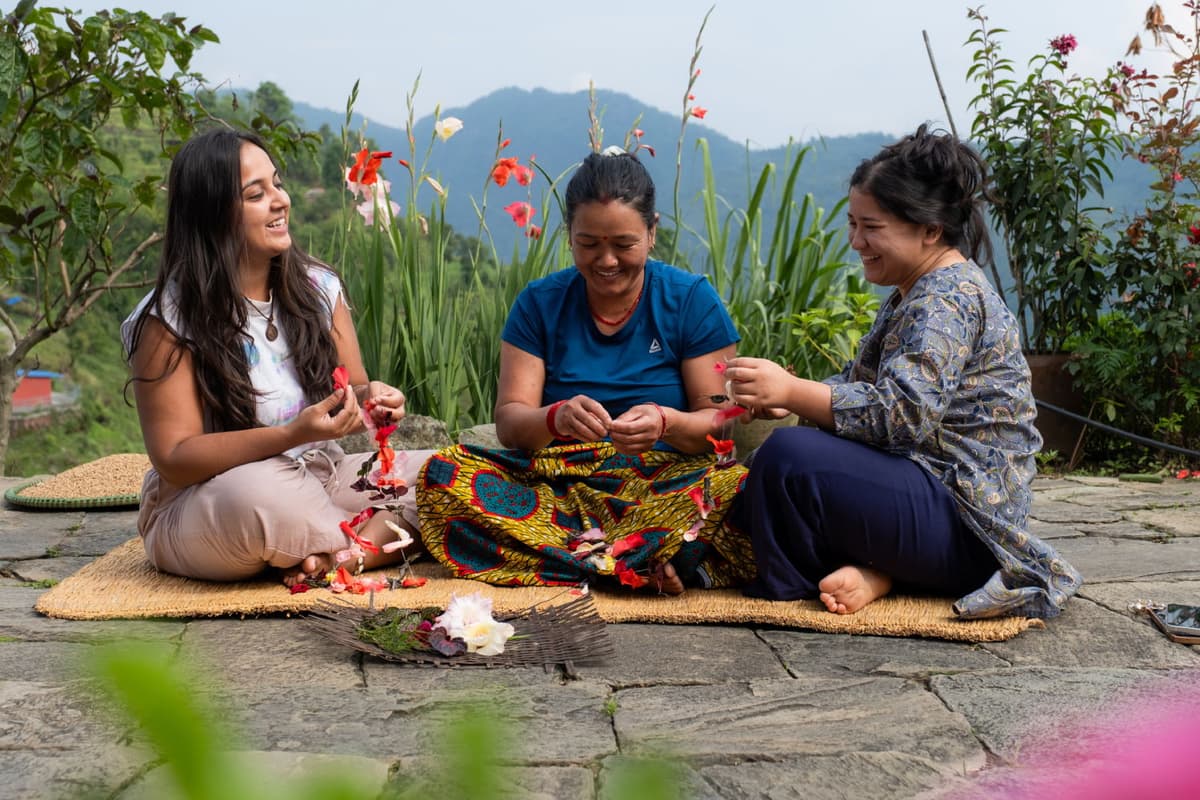
Trade Invited to Experience Community Tourism in Nepal First-Hand
•February 16, 2026
0
Why It Matters
By diversifying Nepal’s tourism offering, the fam trips open new revenue streams for remote communities and give trade partners market‑differentiated products, strengthening sustainable growth in the sector.
Key Takeaways
- •Two fam trips scheduled May and August 2026.
- •Target audience: travel agents and tour operators.
- •Focus on community homestays, cultural workshops, women empowerment.
- •CHN seeks to shift Nepal's tourism perception.
- •Applications close Feb 27 via online form.
Pulse Analysis
Community-based tourism is gaining traction as travelers look for authentic, responsible experiences. In Nepal, where trekking and mountaineering have long dominated the market, initiatives like the Community Homestay Network (CHN) are redefining the narrative by placing villages, local artisans, and home‑cooked meals at the centre of itineraries. Since its 2017 launch, CHN has built a portfolio of homestays and cultural workshops that align with global sustainability standards, attracting eco‑conscious tourists and providing a measurable income stream for remote households. This shift reflects a broader industry move toward decentralized, people‑first travel models.
To accelerate adoption, CHN is offering two familiarisation (fam) trips for travel agents and tour operators—one in May and another in late August. The programmes showcase curated experiences such as traditional cooking, craft making, and festival participation, while also demonstrating how CHN can act as a local DMC when no supplier exists. By immersing trade partners in the logistics, pricing, and storytelling of community‑centric tours, CHN aims to expand its distribution network, increase bookings for homestay accommodation, and embed social impact metrics into standard travel packages. Agents gain ready‑made, market‑differentiated products; operators receive a flexible, co‑creation platform.
The commercial implications extend beyond individual bookings. When agents promote community tourism, revenue flows directly to women‑led cooperatives and micro‑enterprises, strengthening resilience in Nepal’s lesser‑known regions. Moreover, diversifying the country’s tourism product reduces pressure on over‑visited trekking corridors, supporting environmental preservation. As the global travel market rebounds post‑pandemic, CHN’s model offers a scalable blueprint for other destinations seeking to balance growth with social responsibility. Continued partnership with international trade channels could position Nepal as a leading example of sustainable, inclusive tourism in South Asia.
Trade invited to experience community tourism in Nepal first-hand
0
Comments
Want to join the conversation?
Loading comments...