Travel and Tour World Reveals 50 Best Ecotourism Destinations in the World for 2026
Why It Matters
Ecotourism is emerging as a primary driver of travel spend, reshaping destination strategies and attracting sustainability‑focused investment. The trend signals lasting demand for experiences that combine economic benefit for local communities with measurable environmental stewardship.
Key Takeaways
- •Ecotourism market projected to near $1 trillion by 2035.
- •TTW’s list features 10 flagship sites across five continents.
- •Community‑led models boost local economies while preserving ecosystems.
- •Traditional luxury travel losing appeal to nature‑focused experiences.
- •Renewable‑energy‑powered eco‑lodges highlighted as best‑practice examples.
Pulse Analysis
The rapid expansion of ecotourism reflects broader consumer realignment toward sustainability, with travelers seeking purpose‑driven itineraries that deliver both adventure and environmental impact mitigation. Industry analysts attribute the projected $1 trillion market size to rising middle‑class affluence, heightened climate awareness, and the digital amplification of remote destinations. As social media platforms showcase pristine landscapes and community stories, demand for immersive nature experiences outpaces traditional resort bookings, prompting operators to redesign offerings around low‑impact activities and carbon‑neutral accommodations.
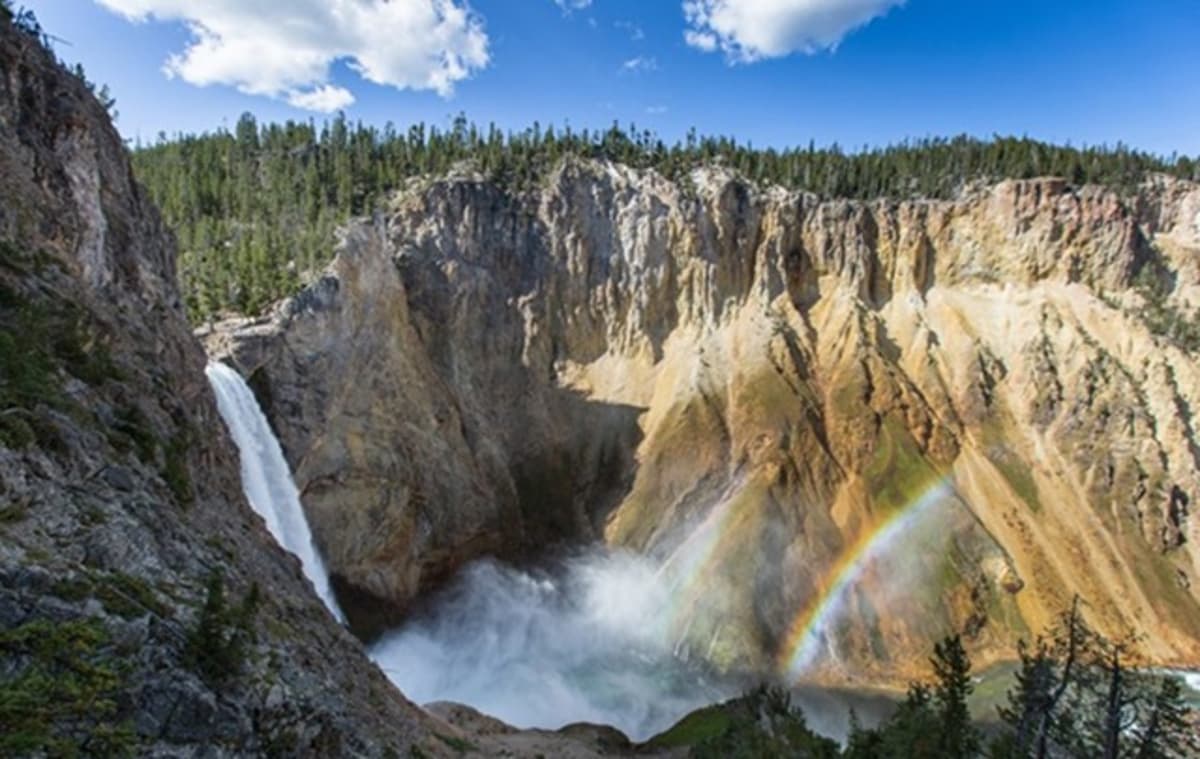
TTW’s 2026 list spotlights a geographically diverse set of destinations, from Yellowstone’s geothermal wonders to the coral‑rich Great Barrier Reef and the Amazon’s deep‑forest corridors. A common thread among these sites is the integration of community‑led tourism models that channel visitor spending into local enterprises, preserving cultural heritage while funding conservation initiatives. Eco‑lodges featured in the rankings employ renewable energy, water‑recycling systems, and locally sourced materials, setting operational benchmarks that other regions are beginning to emulate. This focus on regenerative practices not only enhances visitor authenticity but also reduces the ecological footprint of travel.
For investors and travel brands, the ecotourism surge presents a dual opportunity: capture premium pricing for responsibly curated experiences and mitigate regulatory risk as governments tighten environmental standards. Companies that embed sustainability into their core value proposition—through carbon‑offset programs, partnerships with indigenous groups, and transparent impact reporting—are likely to secure a competitive edge. Looking ahead, the sector’s growth trajectory suggests that ecotourism will become a baseline expectation rather than a niche offering, reshaping product development, marketing narratives, and capital allocation across the global travel ecosystem.
Travel and Tour World Reveals 50 Best Ecotourism Destinations in the World for 2026
Comments
Want to join the conversation?
Loading comments...