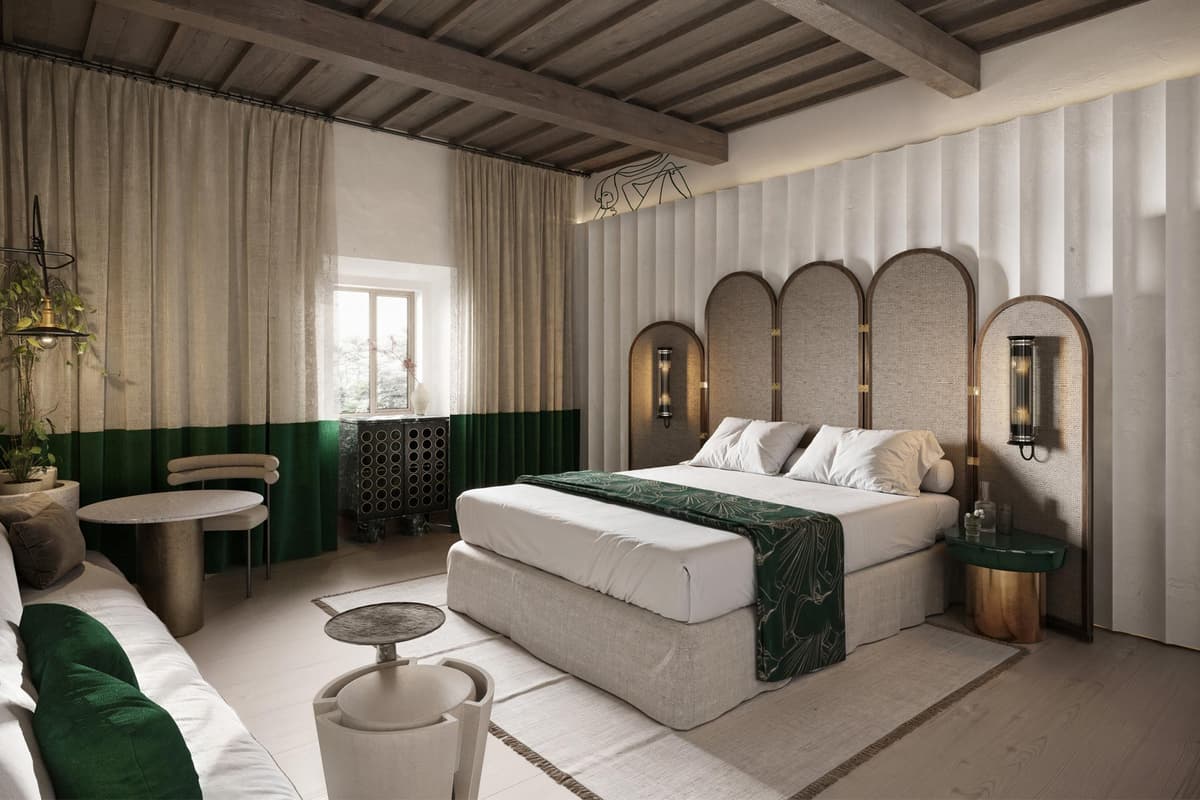
Tristan Du Plessis Designs Tuscan Retreat for Chapter Italia
Why It Matters
The project signals a broader shift toward design‑forward luxury hospitality that blends modern aesthetics with heritage sites, giving boutique chains a differentiated edge in the competitive upscale market.
Key Takeaways
- •Chapter Chianti opens June 2026, 82 rooms
- •Designed by South African Tristan Du Plessis
- •Modern architecture replaces traditional Tuscan décor
- •Includes 500 m² spa, three restaurants, three bars
- •Offers curated Tuscan activities and private villa
Pulse Analysis
Chapter Italia’s expansion into the heart of Tuscany reflects a growing appetite for boutique hotels that marry heritage with contemporary design. By situating Chapter Chianti in a meticulously restored 16th‑century hamlet, the brand taps into the allure of authentic Italian locales while delivering a sleek, urban aesthetic. Tristan Du Plessis’s approach—clean architectural lines, exposed stone, and sculptural lighting—redefines the traditional countryside retreat, positioning the property as a lifestyle destination rather than a nostalgic escape.
Du Plessis’s design philosophy emphasizes a dialogue between past and present, using modern Italian furnishings to complement the historic fabric of the village. This contrast creates a sense of discovery for guests, who move from minimalist public spaces to intimate, heritage‑rich rooms. The inclusion of a 500‑square‑metre spa, three restaurants, and three bars further elevates the experience, offering wellness and culinary diversity that align with today’s luxury traveler expectations. Curated activities such as truffle hunting and mountain biking deepen the connection to the region, reinforcing the brand’s commitment to immersive, place‑based hospitality.
From a business perspective, Chapter Chianti illustrates how boutique operators can leverage design innovation to command premium pricing and attract a discerning clientele. The modern‑heritage hybrid appeals to both traditional tourists and younger, experience‑driven travelers, expanding the market reach. As boutique hotels continue to prioritize unique, story‑rich environments, projects like Chapter Chianti set a benchmark for future developments, suggesting that the integration of contemporary design within historic contexts will become a key differentiator in the luxury hospitality sector.
Tristan Du Plessis designs Tuscan retreat for Chapter Italia
Comments
Want to join the conversation?
Loading comments...