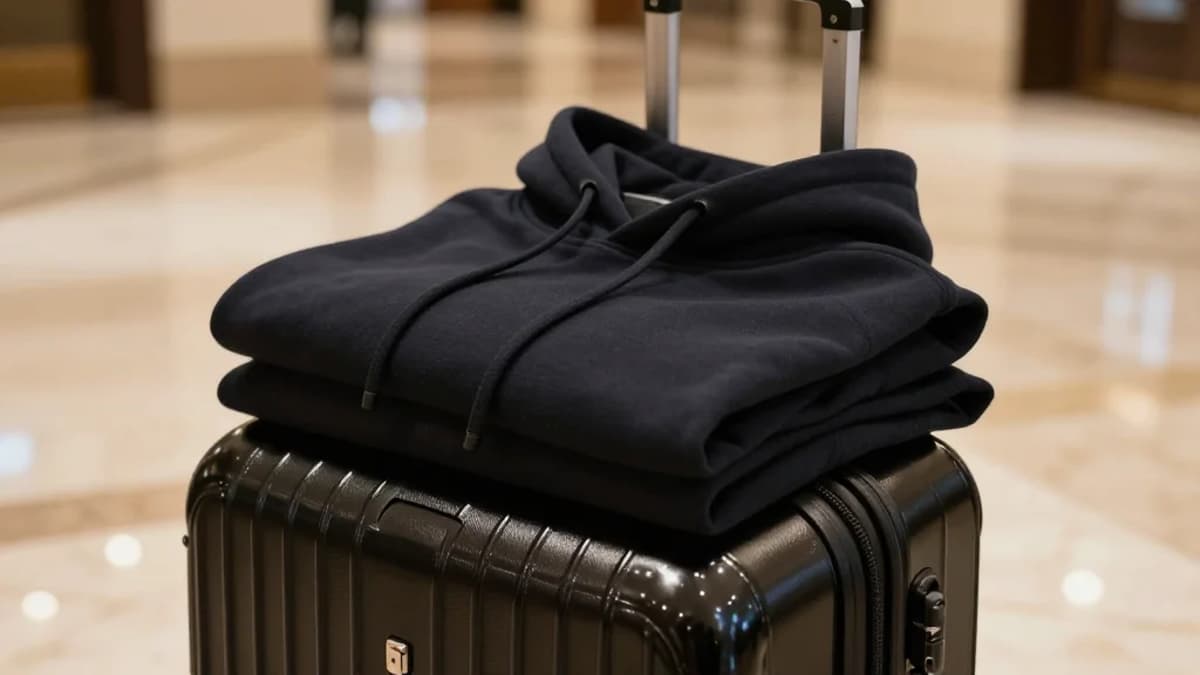
TSA Scolded Woman For ‘Inappropriate’ Hoodie — She Had Nothing On Underneath
•February 15, 2026
0
Why It Matters
The episode underscores how ambiguous clothing policies can create friction for passengers and expose gaps between airline and TSA enforcement. Understanding these nuances helps travelers avoid delays and informs airlines about potential policy refinements.
Key Takeaways
- •TSA flagged hoodie lacking underlayer as security concern.
- •Airlines, not TSA, primarily enforce dress codes on flights.
- •Bulky clothing may trigger pat‑down screening procedures.
- •Past cases show TSA intervenes on expressive apparel.
- •Travelers should anticipate extra screening for minimal attire.
Pulse Analysis
The recent hoodie incident at a U.S. airport brings to light TSA’s practical approach to clothing that could obstruct security equipment. While the agency does not police fashion, it classifies hoodies as "bulky items" that must be removed for X‑ray inspection. When a passenger lacks an underlayer, the lack of visible fabric forces agents to conduct a pat‑down, extending wait times and raising passenger discomfort. This operational nuance differs sharply from airline dress‑code policies, which can outright deny boarding for attire deemed inappropriate, even if the same outfit passes through security without issue.
Legal precedents reveal that TSA’s limited dress‑code role is rooted in constitutional considerations. Cases such as the 2006 JetBlue protest shirt and the 2010 Fourth Amendment shirt incident demonstrate that expressive clothing can trigger security scrutiny, but the agency must balance First Amendment rights against safety protocols. Courts have allowed claims of unlawful detention to proceed, signaling that TSA actions are subject to judicial review when they appear to target speech or religious expression. Nonetheless, the agency’s primary mandate remains threat detection, not moral policing, which explains its tolerance of most attire unless it hampers screening technology.
For frequent flyers and occasional travelers alike, the takeaway is clear: anticipate additional screening if your outfit includes bulky garments without an underlayer. Packing a lightweight shirt beneath a hoodie or opting for easily removable outerwear can streamline the checkpoint experience. Airlines may continue to enforce stricter dress standards, but passengers should prepare for TSA’s practical requirements to avoid delays. As security technology evolves, we may see clearer guidelines that reduce ambiguity, benefiting both travelers and the agencies tasked with keeping the skies safe.
TSA Scolded Woman For ‘Inappropriate’ Hoodie — She Had Nothing On Underneath
0
Comments
Want to join the conversation?
Loading comments...