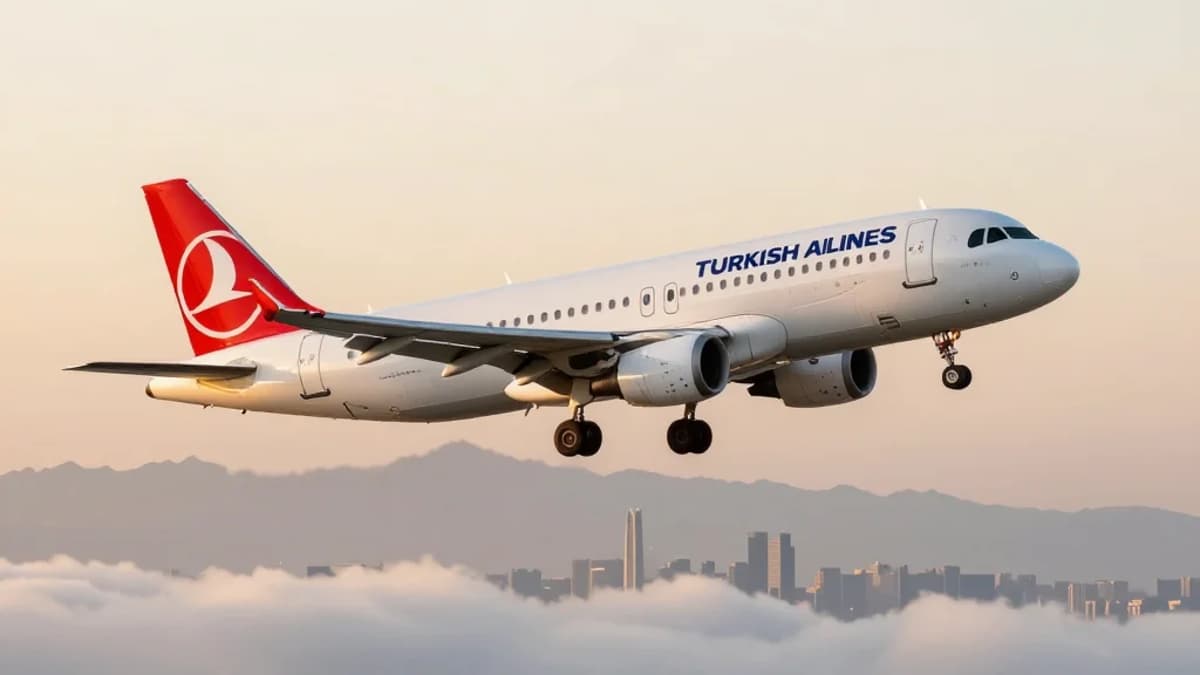
Turkish Airlines Denies Reports of Iran Flight Cancellations Amid Regional Tensions
•February 27, 2026
0
Why It Matters
The clarification underscores Turkish Airlines’ commitment to maintaining Middle‑East connectivity despite geopolitical volatility, influencing passenger confidence and regional trade flows. It also signals how airlines balance safety assessments with commercial obligations in conflict‑prone airspace.
Key Takeaways
- •Turkish Airlines maintains daytime flights to Iran despite rumors
- •Evening flight cancellations were operational tweaks, not full suspension
- •Other carriers like flydubai and Lufthansa have reduced Iran services
- •No official Iranian airspace closure announced
- •Turkey's NATO status influences its aviation risk decisions
Pulse Analysis
Turkish Airlines' denial of a blanket suspension of Iran flights highlights the airline’s nuanced response to a volatile security environment. By keeping daytime schedules intact while adjusting evening departures, the carrier mitigates operational risk without fully withdrawing service. This approach preserves critical passenger links between Europe and the Middle East, sustaining revenue streams and supporting diplomatic channels that rely on reliable air transport. Travelers benefit from continued booking availability, and the airline avoids the reputational fallout that a total pull‑back could generate.
The broader aviation sector is reacting more conservatively, with carriers like flydubby, Lufthansa, and Pegasus scaling back or rerouting flights over Iranian and Iraqi airspace. These decisions stem from a mix of safety concerns, heightened insurance premiums, and fluctuating demand as regional tensions rise. Airlines conduct rigorous risk assessments, often consulting national aviation authorities and insurers before altering schedules. The lack of an official Iranian airspace closure means operators must rely on their own intelligence and threat models, leading to varied strategies across the industry.
Turkey’s position as a NATO member and a strategic bridge between Europe and the Middle East adds another layer of complexity. While it aligns with Western security frameworks, it also seeks to preserve its role as a regional hub. Maintaining limited service to Iran allows Turkey to balance diplomatic expectations with commercial imperatives. Looking ahead, the airline’s measured adjustments suggest a willingness to adapt quickly should the security landscape shift, offering a template for other carriers navigating similar geopolitical challenges.
Turkish Airlines Denies Reports of Iran Flight Cancellations Amid Regional Tensions
0
Comments
Want to join the conversation?
Loading comments...