Two-Night Sustainability Package in Chiang Mai, Thailand Helps Communities in Need
Why It Matters
The initiative demonstrates how hospitality brands can monetize sustainability, directly supporting food‑security efforts while showcasing circular‑economy practices that resonate with eco‑conscious travelers.
Key Takeaways
- •Meliá Chiang Mai offers two‑night stay with dinner, supporting SOS Thailand.
- •Portion of proceeds funds food rescue, redistributing surplus to needy communities.
- •Hotel’s ‘360° Cuisine’ uses whole‑plant ingredients and recycles waste into biodiesel.
- •Partnerships with local farms and universities promote sustainable farming education.
Pulse Analysis
The hospitality sector is increasingly leveraging sustainability as a market differentiator, and Meliá’s two‑night package in Chiang Mai exemplifies that shift. By bundling accommodation, breakfast and a farm‑to‑table three‑course dinner, the hotel creates a tangible eco‑experience for guests while embedding a charitable component. Travelers from North America and Europe are seeking destinations that align with their environmental values, prompting brands to embed green initiatives directly into their product offerings. Meliá’s approach taps into this demand, positioning the property as a leader in responsible tourism within Southeast Asia.
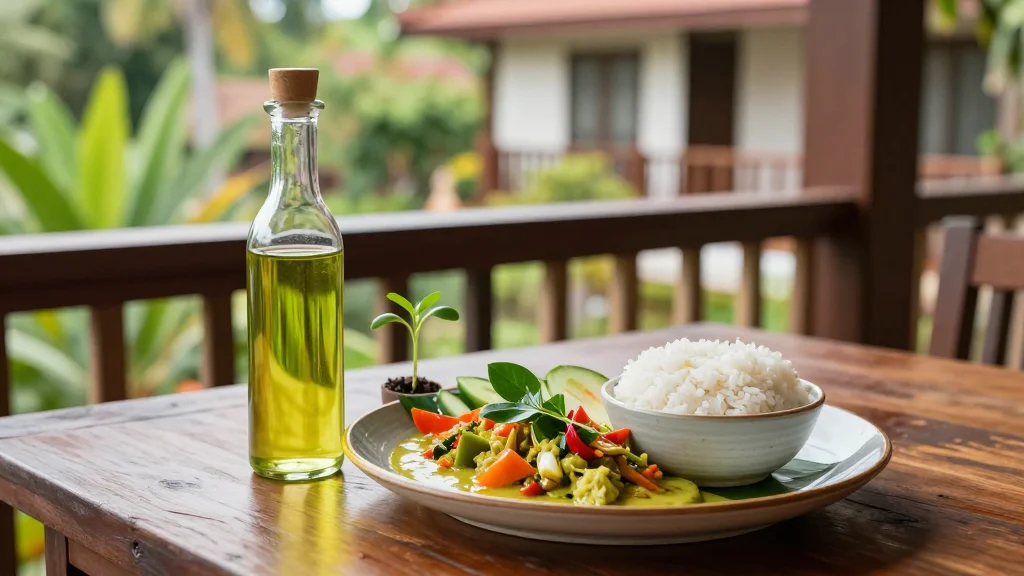
Central to the package is the partnership with Scholars of Sustenance (SOS) Thailand, a food‑rescue organization that diverts surplus produce from hotels, grocers and restaurants to underserved communities in Bangkok, Phuket, Hua Hin and beyond. The program not only mitigates food waste but also improves food equity by delivering quality nutrition to vulnerable households. Meliá reinforces the impact through its ‘360° Cuisine’ model, which utilizes whole‑plant ingredients, recycles cooking oil into biodiesel, and returns organic waste to farms as fertilizer, completing a circular‑economy loop.
The initiative signals a broader trend where hotels embed social impact into revenue streams, turning sustainability into a profit center rather than a cost. By collaborating with local organic farms and university hospitality programs, Meliá cultivates a supply chain that is both resilient and ethically sourced, a blueprint other properties can emulate. As consumer expectations evolve, such integrated models are likely to become standard practice, driving industry‑wide reductions in waste, enhancing brand loyalty, and delivering measurable community benefits—all while appealing to the growing segment of eco‑aware travelers.
Two-Night Sustainability Package in Chiang Mai, Thailand Helps Communities in Need
Comments
Want to join the conversation?
Loading comments...