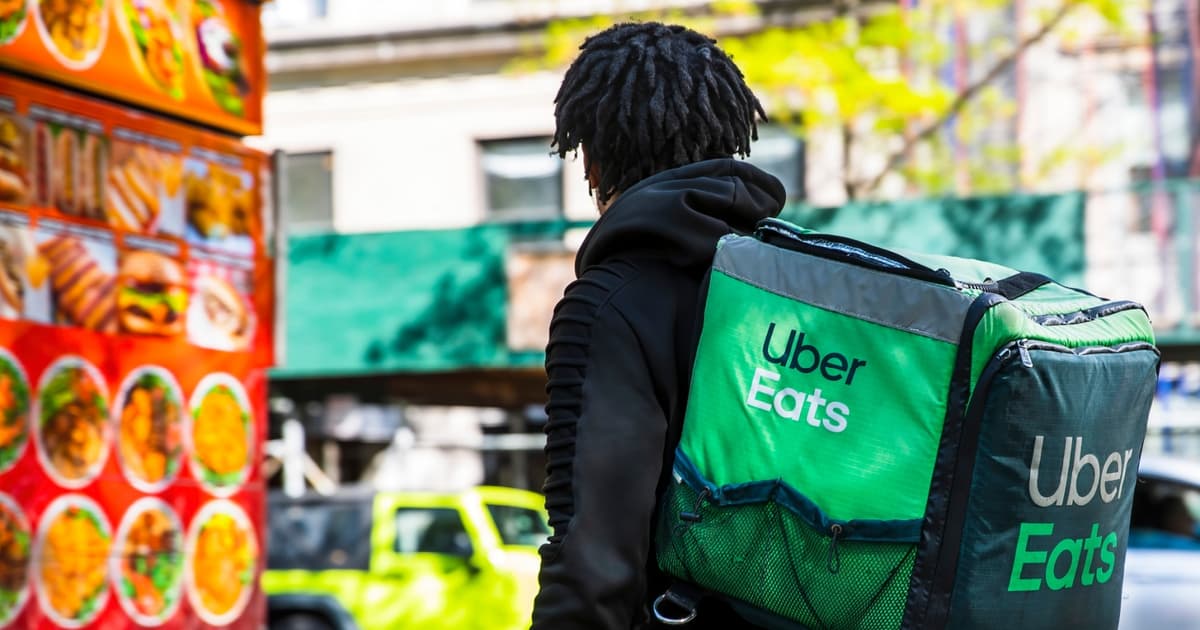
Uber Eats Is Raising Delivery Fees for some Restaurants
•March 8, 2026
0
Why It Matters
Higher commissions tighten restaurant profit margins and could drive merchants toward rival platforms, reshaping the competitive dynamics of the U.S. food‑delivery market.
Key Takeaways
- •Lite tier fee rises from 15% to 20%
- •Plus tier fee up to 25% plus Uber One surcharge
- •Custom rates increase up to 3%, max 30%
- •Pickup fee climbs to 7% from 6%
- •DoorDash and Grubhub keep restaurant fees steady
Pulse Analysis
Uber Eats’ decision to lift its commission structure reflects a broader trend of platform operators monetizing rapid growth. After a 26% year‑over‑year jump in delivery sales and a 40% rise in EBITDA, the company faces rising labor, insurance, and marketing costs that its current fee schedule can no longer fully cover. By targeting small and mid‑size restaurants—segments that typically accept lower visibility in exchange for lower fees—Uber is extracting more revenue from the most price‑sensitive partners while preserving premium pricing for higher‑tier merchants that receive greater app exposure and access to Uber One members.
For restaurateurs, the fee increase translates into a direct hit on already thin margins. A 5‑percentage‑point jump can erode profitability by tens of thousands of dollars annually for midsized operators, prompting many to renegotiate contracts or explore alternative delivery solutions. The added 5% surcharge on Uber One orders further blurs the line between the Plus and Premium tiers, effectively forcing more restaurants into the highest‑cost bracket for a majority of their sales. As industry consultants note, this pressure may accelerate a shift toward in‑house fulfillment, hybrid models, or migration to competitors that have kept fees steady, such as DoorDash and Grubhub.
The competitive landscape is likely to respond. While DoorDash and Grubhub have not announced immediate fee changes, they may leverage Uber’s move as a selling point to attract disgruntled merchants. At the same time, the fee hike underscores the growing bargaining power of large platforms over independent eateries, raising questions about long‑term sustainability of the third‑party delivery model. Restaurants should reassess their digital marketing spend, negotiate any remaining levers—like promotional spend credits—and consider diversifying order channels to mitigate the impact of rising commissions.
Uber Eats is raising delivery fees for some restaurants
0
Comments
Want to join the conversation?
Loading comments...