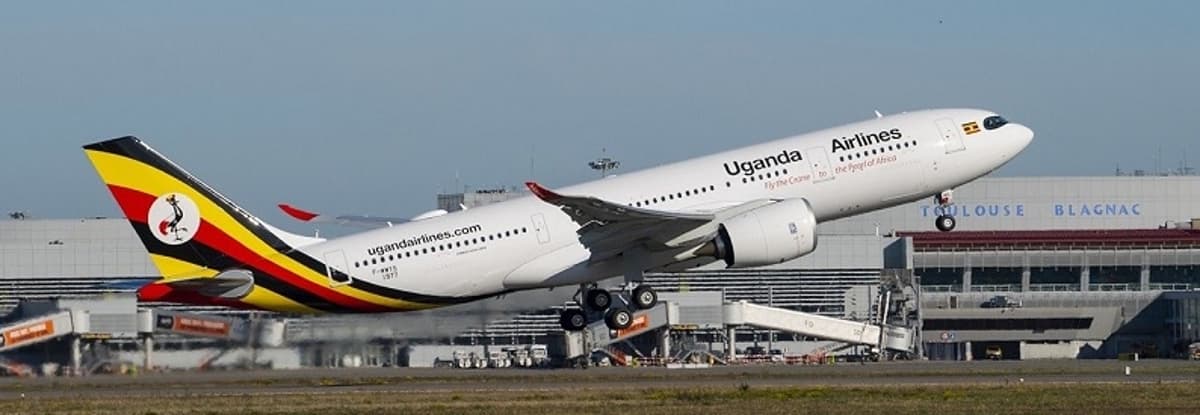
Uganda Airlines Hunts Short-Term ACMI While A330s Are AOG
•February 25, 2026
0
Companies Mentioned

Why It Matters
The fleet outage threatens Uganda’s connectivity to key markets and tests the airline’s resilience, while the new executive leadership could reshape its recovery strategy amid governance scrutiny.
Key Takeaways
- •Two A330‑800s grounded since Jan 11 and Feb 20
- •London, Mumbai, Dubai, Abuja routes temporarily suspended
- •Uganda Airlines seeks short‑term wet‑lease to maintain service
- •Former Ethiopian Airlines chief Girma Wake named acting CEO
- •Investigation into alleged embezzlement raises governance concerns
Pulse Analysis
The sudden loss of Uganda Airlines’ two A330‑800s highlights the vulnerability of small national carriers that rely on a limited fleet for long‑haul operations. In the African aviation landscape, wet‑lease arrangements—often referred to as ACMI (Aircraft, Crew, Maintenance, and Insurance) contracts—provide a rapid stop‑gap, allowing airlines to preserve schedule integrity without the capital outlay of purchasing additional aircraft. By securing a short‑term wet‑lease, Uganda can mitigate revenue loss on premium routes such as London‑Gatwick and Mumbai, while buying time to source spare parts and technical expertise for the grounded jets.
Beyond the immediate operational fix, the appointment of Girma Wake signals a strategic pivot. Wake’s tenure at Ethiopian Airlines, Africa’s largest carrier, and his previous role at RwandAir equip him with deep regional knowledge and turnaround experience. His mandate will likely focus on stabilizing the fleet, renegotiating lease terms, and restoring stakeholder confidence amid the ongoing police probe into alleged embezzlement. Leadership turnover at state‑owned airlines often reshapes corporate governance, and Wake’s veteran status may reassure investors and partners about the airline’s commitment to transparency and fiscal discipline.
For the broader market, Uganda’s predicament underscores the importance of diversified fleet strategies and robust maintenance planning. Airlines operating in emerging economies face heightened exposure to supply‑chain delays for parts and limited local MRO capacity. The incident may accelerate discussions on regional maintenance hubs and collaborative ACMI pools, fostering greater resilience across African carriers. As Uganda navigates both operational and governance challenges, its response will serve as a case study for how state‑backed airlines can balance short‑term fixes with long‑term structural reforms.
Uganda Airlines hunts short-term ACMI while A330s are AOG
0
Comments
Want to join the conversation?
Loading comments...