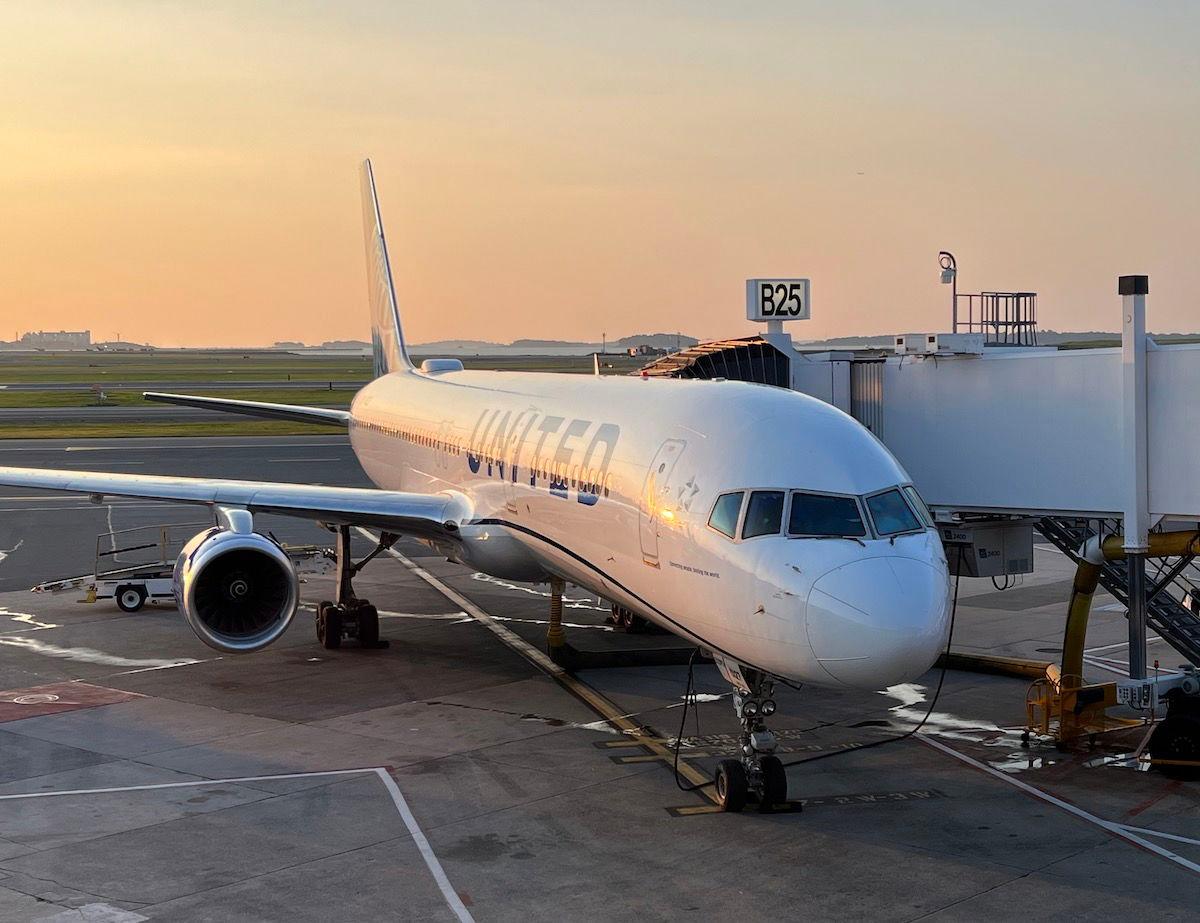
United Airlines Admits Higher Fares Are Here To Stay, Even If Oil Prices Drop
Companies Mentioned
Why It Matters
Persistently higher fares could squeeze consumer travel budgets and reshape competition, while United’s strategy signals broader industry pressure to pass fuel costs onto passengers.
Key Takeaways
- •United raised fares five times in Q1, yields hit 18% in March.
- •Company aims to offset 40‑50% of fuel cost now, 80‑100% by year‑end.
- •CEO Scott Kirby says 20% fare increase could stick if prices normalize.
- •Reduced capacity enables higher yields, raising concerns about long‑term competition.
- •Industry analysts warn higher fares may erode consumer demand.
Pulse Analysis
The airline sector is grappling with an unprecedented surge in jet‑fuel prices, a cost component that can account for up to 30% of an airline’s operating expenses. When fuel costs climb, carriers face a delicate balancing act: absorb the expense and risk margin erosion, or transfer it to passengers through higher fares. Historically, demand for air travel has shown price elasticity, meaning steep fare hikes can depress load factors. Yet the current environment—characterized by robust post‑pandemic demand and limited capacity—has given airlines more leeway to test the elasticity ceiling.
United’s recent earnings call revealed a multi‑pronged approach to protect its bottom line. By executing five incremental fare increases in the last weeks of Q1 and tightening seat inventory, the carrier lifted its revenue yield from a modest 4% YoY gain to an 18% surge by March’s end. The airline projects that ticket‑price adjustments will offset roughly half of its fuel cost increase now, climbing to 70‑80% in the third quarter and potentially covering the entire fuel bill by year‑end. This strategy hinges on a deliberate reduction in capacity, which tightens supply and enables higher per‑seat revenue, a tactic that could reshape competitive dynamics if rivals cannot match the pricing power.
If United’s pricing model proves sustainable, the broader market may see a lasting shift toward higher baseline fares, even if jet‑fuel prices retreat. Consumers could face tighter budgets for leisure and business travel, prompting a re‑evaluation of travel frequency and destination choices. At the same time, regulators and consumer advocates may scrutinize the industry for anti‑competitive pricing, especially if capacity cuts lead to reduced competition on key routes. Investors will watch United’s performance closely, as its ability to lock in fare premiums could set a benchmark for how legacy carriers navigate cost volatility in the years ahead.
United Airlines Admits Higher Fares Are Here To Stay, Even If Oil Prices Drop
Comments
Want to join the conversation?
Loading comments...