U.S. Consumers Cut Back on Some Areas to Prioritize Experiences This Summer
Companies Mentioned
Why It Matters
The shift signals brands must align product offers with experience‑centric, value‑focused consumer mindsets, or risk losing relevance in a price‑sensitive market. Understanding these trends helps retailers, travel firms, and wellness brands tailor strategies to capture discretionary spend that now hinges on meaningful experiences.
Key Takeaways
- •60% plan summer travel, 38% seek cheaper options
- •Consumers favor short trips (1‑3 days) over week‑long stays
- •27% use AI for trip planning, up from 14%
- •Off‑price and resale channels expected to stay strong
- •Wellness spending shifts to essentials; mental health tops Gen Z, Millennials
Pulse Analysis
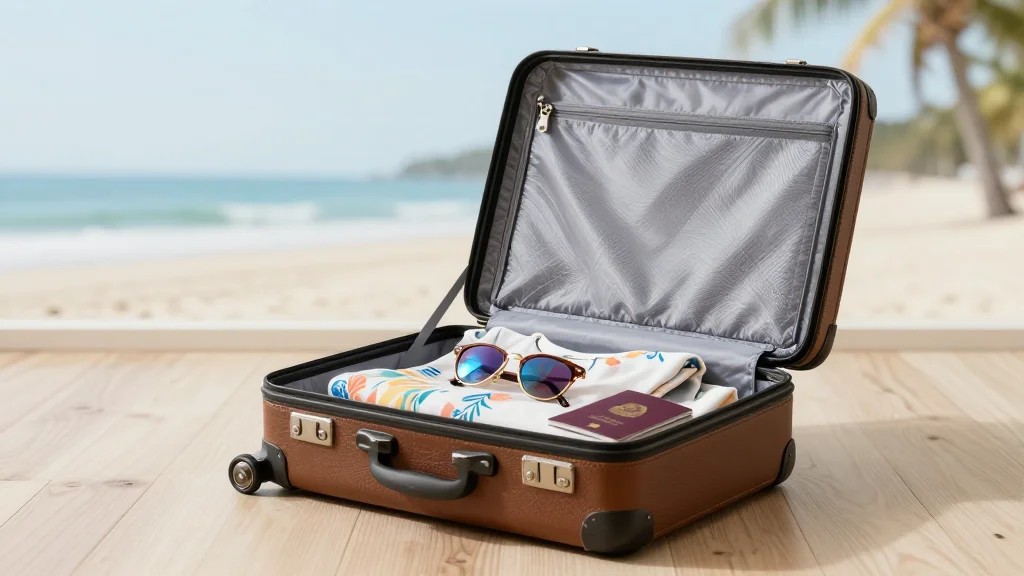
Summer 2026 sees U.S. shoppers rebalancing budgets around experiences, with travel remaining a top priority despite lingering inflation. Sixty percent of respondents plan trips, yet 38% actively hunt for cost‑saving alternatives, favoring brief getaways over extended vacations. The rise of AI tools—used by 27% of travelers, more than double the figure two years ago—suggests consumers are leveraging technology to streamline research, narrowing choices before they even reach a hotel or airline. Brands that surface early in the digital discovery phase can shape preferences and capture the increasingly experience‑driven spend.
Apparel purchasing is evolving from impulse to purpose, as shoppers refresh wardrobes to support specific outings. This intentionality fuels modest growth in apparel sales, especially within off‑price, discount, and resale channels that promise clear value. Influencer and celebrity collaborations are gaining traction, helping brands justify purchases by linking products to culturally relevant moments. Companies that blend affordability with relevance are poised to dominate a market where consumers demand both price efficiency and a sense of belonging to a larger experience.
Meanwhile, food‑and‑beverage budgets contract, with 76% opting to eat at home and a notable decline in restaurant dining. Wellness expenditures, however, are reallocated toward everyday essentials—supplements, skin care, and oral health—while free, self‑guided workouts dominate fitness habits. Generational nuances emerge: younger cohorts prioritize mental health, whereas older shoppers focus on physical fitness. Brands that recognize these divergent health priorities and embed their offerings within the broader experience narrative will better retain shelf space and loyalty in a summer defined by purposeful, value‑centric consumption.
U.S. Consumers Cut Back on Some Areas to Prioritize Experiences This Summer
Comments
Want to join the conversation?
Loading comments...