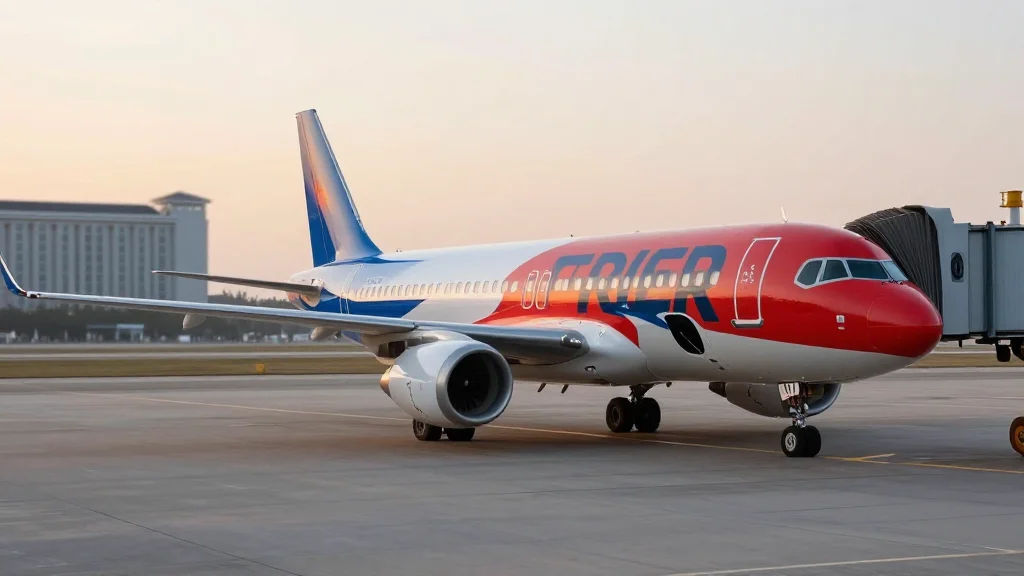
US’s Frontier to Expand on Ex-Spirit Markets, Look at Assets
Why It Matters
By filling the void left by Spirit, Frontier can boost revenue and market share in a competitive ULCC segment, while asset growth strengthens its fleet flexibility. The strategy signals further consolidation in the U.S. low‑cost carrier landscape.
Key Takeaways
- •Frontier targets former Spirit routes in Midwest and East Coast
- •Asset review includes possible A320neo lease acquisitions
- •Expansion aims to capture stranded Spirit demand
- •Regulatory relief eases Frontier's short‑term cash strain
Pulse Analysis
Frontier Airlines' decision to move into ex‑Spirit markets reflects a broader trend of low‑cost carriers capitalizing on gaps left by rivals. When Spirit trimmed its network amid financial strain, passengers in secondary cities faced reduced options and higher fares. Frontier's agile ULCC model, built on high aircraft utilization and streamlined service, positions it to quickly absorb this demand, especially on routes where price sensitivity remains high. By leveraging existing infrastructure and negotiating favorable airport slots, Frontier can achieve rapid market penetration without the heavy capital outlay typical of legacy carriers.
The asset strategy accompanying the route expansion is equally critical. Frontier is reportedly reviewing its fleet composition, with a focus on acquiring additional Airbus A320neo family aircraft through leases or outright purchases. These jets offer superior fuel efficiency and lower operating costs, aligning with the airline's cost‑centric business model. Securing more aircraft also provides the flexibility to adjust capacity in response to seasonal demand fluctuations, a key advantage in the volatile post‑pandemic travel environment. Moreover, a larger, more homogeneous fleet simplifies maintenance and crew training, further driving down expenses.
Regulatory developments have created a more favorable backdrop for Frontier's growth plans. Recent waivers, such as the U.S. DOT's reduction of a $650,000 flight‑delay penalty, free up cash that can be redirected toward fleet acquisition or marketing initiatives. Additionally, the broader $2.5 billion relief package for ULCCs under the current administration underscores governmental support for the sector's stability. Together, these factors suggest Frontier is poised to not only fill the service void left by Spirit but also to strengthen its competitive position in the crowded U.S. low‑cost market.
US’s Frontier to expand on ex-Spirit markets, look at assets
Comments
Want to join the conversation?
Loading comments...