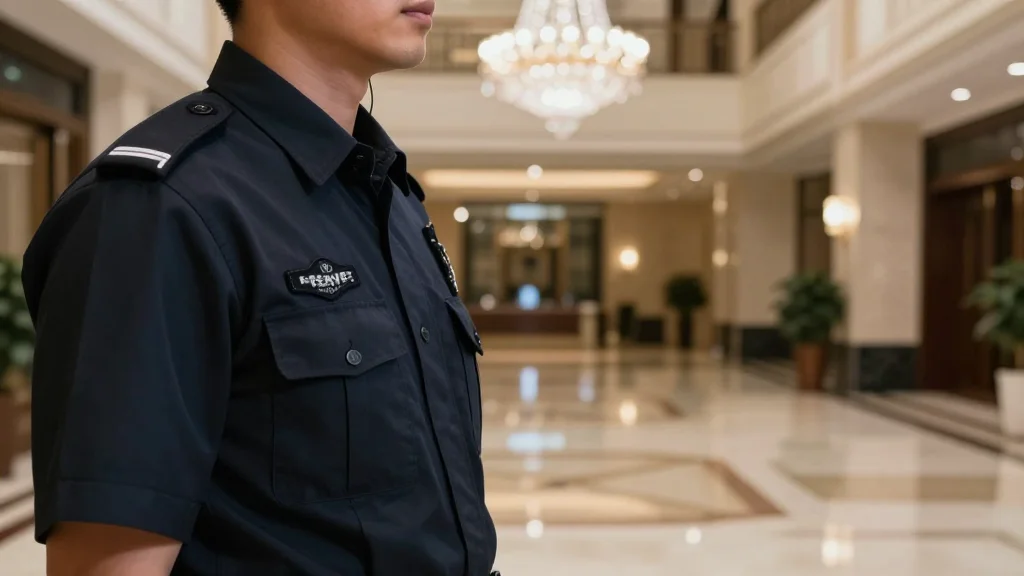
Vigilant Eye Security Rolls Out Hospitality‑Focused Training for LA Event Guards

Why It Matters
The launch reflects a shift in the hospitality security market from purely protective services to a hybrid model that emphasizes guest experience. As luxury hotels and event venues compete on service differentiation, security providers that can deliver discreet, culturally aware, and courteous guard services will become strategic partners rather than cost centers. This development may pressure other security firms to upgrade their training, potentially raising industry standards and influencing insurance underwriting practices. Moreover, the program addresses a documented friction point: guests often perceive traditional security as hostile, which can erode brand loyalty. By training guards to act as extensions of the hospitality staff, hotels can protect assets while reinforcing a seamless, upscale atmosphere, ultimately supporting higher occupancy rates and premium pricing.
Key Takeaways
- •Vigilant Eye Security launches a two‑week hospitality‑focused training program for LA event guards.
- •Curriculum includes communication, cultural awareness, discreet observation and coordination modules.
- •Training builds on BSIS licensing and threat‑assessment standards, targeting upscale hotels and private events.
- •Spokesperson cites a Bel Air wedding where a guard’s concierge service won praise from the bride’s family.
- •Company plans to expand the program statewide and track guest‑satisfaction metrics through 2026.
Pulse Analysis
Vigilant Eye’s hospitality training arrives at a moment when the luxury hotel sector is redefining the guest journey. Historically, security has been a back‑of‑house function, but recent high‑profile incidents and rising guest expectations have forced operators to reconsider the role of guards. By embedding concierge‑style skills into its guard workforce, Vigilant Eye is effectively turning a traditionally defensive function into a value‑adding service. This mirrors trends in other service industries where frontline staff are cross‑trained to handle multiple aspects of the customer experience.
From a competitive standpoint, the move could force regional security firms to either partner with specialized training providers or develop in‑house programs, raising overall industry costs but also potentially improving service quality. Larger national players may respond by acquiring boutique firms with similar expertise, consolidating the market. For hotels, the availability of a turnkey security solution that aligns with brand standards reduces the operational burden of designing custom training, allowing property managers to focus on core hospitality functions.
Looking ahead, the success of Vigilant Eye’s program will likely be measured by quantifiable outcomes—guest satisfaction scores, incident response times, and insurance claim reductions. If the data validates the model, we could see a cascade of similar initiatives, perhaps extending to other high‑touch environments such as cruise ships and private aviation lounges. The broader implication is a re‑imagining of security as an integral component of the luxury experience, rather than a separate, reactive service.
Vigilant Eye Security Rolls Out Hospitality‑Focused Training for LA Event Guards
Comments
Want to join the conversation?
Loading comments...