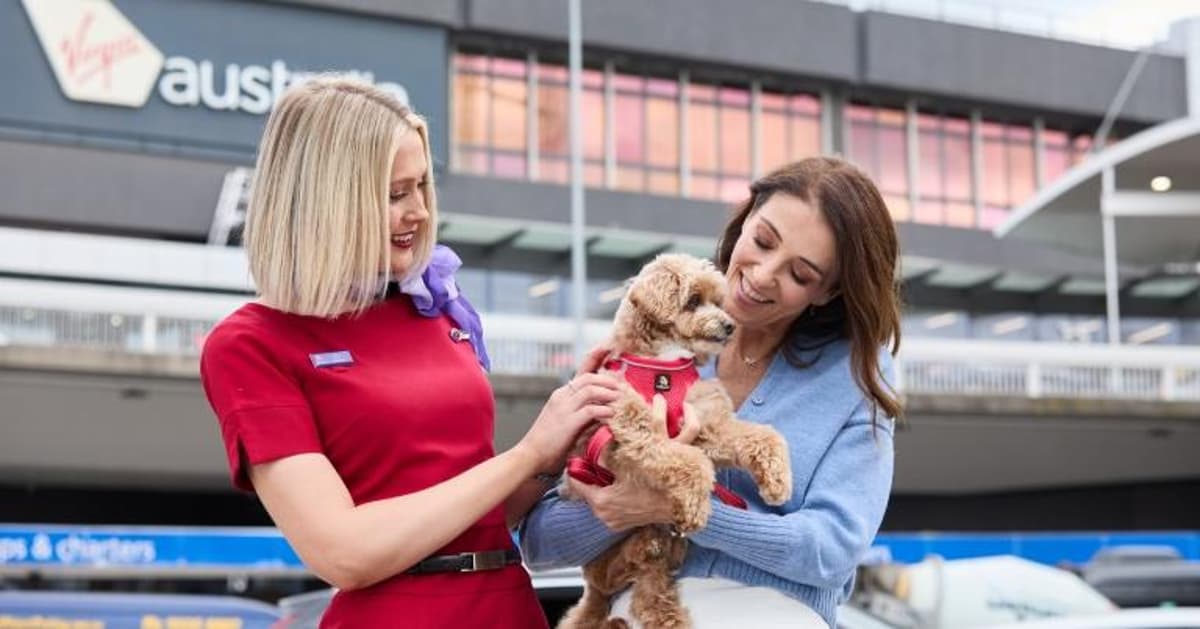
Virgin Australia to Continue and Expand Pets in Cabin Service as Part of Customer-Led Innovation
•March 2, 2026
0
Why It Matters
The expansion validates pet travel as a growing ancillary market and differentiates Virgin Australia in a competitive domestic landscape, boosting loyalty and revenue potential.
Key Takeaways
- •Service now includes Adelaide and Launceston routes
- •1,000 pets transported since launch in Oct 2025
- •Pets in Cabin drives ancillary revenue and loyalty points usage
- •Expands tourism options for Australian pet owners
- •Virgin positions itself as innovation leader in domestic market
Pulse Analysis
Pet travel has shifted from a niche perk to a mainstream expectation, with global surveys indicating that over 30% of frequent flyers consider bringing a small animal essential to their trip. In Australia, rising pet ownership and a post‑pandemic surge in domestic tourism have amplified demand for airline‑approved cabin accommodations. Carriers that integrate pet services can capture higher ancillary spend, improve load factors on short‑haul routes, and deepen brand loyalty among a demographic that treats pets as family members.
Virgin Australia’s Pets in Cabin program exemplifies a data‑driven, customer‑centric approach. Since its October 2025 rollout, the airline has logged 1,000 furry passengers, prompting an expansion to Adelaide and Launceston—two markets with strong leisure travel profiles. The service is bundled with Velocity Frequent Flyer points, costing 18,600 points per sector, thereby reinforcing the airline’s loyalty ecosystem while generating incremental revenue. By publicising the milestone, Virgin signals operational confidence and leverages its reputation for pioneering digital check‑in and extra‑legroom offerings.
The broader implications for the Australian aviation sector are significant. Enhanced pet‑friendly options can stimulate regional tourism, encouraging owners to visit destinations previously deemed logistically challenging. As airlines refine safety protocols and streamline cabin handling, pet services are likely to become a standard ancillary product, influencing airport infrastructure and staff training. Virgin’s proactive expansion positions it to capture early market share, set service benchmarks, and potentially influence regulatory frameworks governing animal transport in the cabin.
Virgin Australia to continue and expand Pets in Cabin service as part of customer-led innovation
0
Comments
Want to join the conversation?
Loading comments...