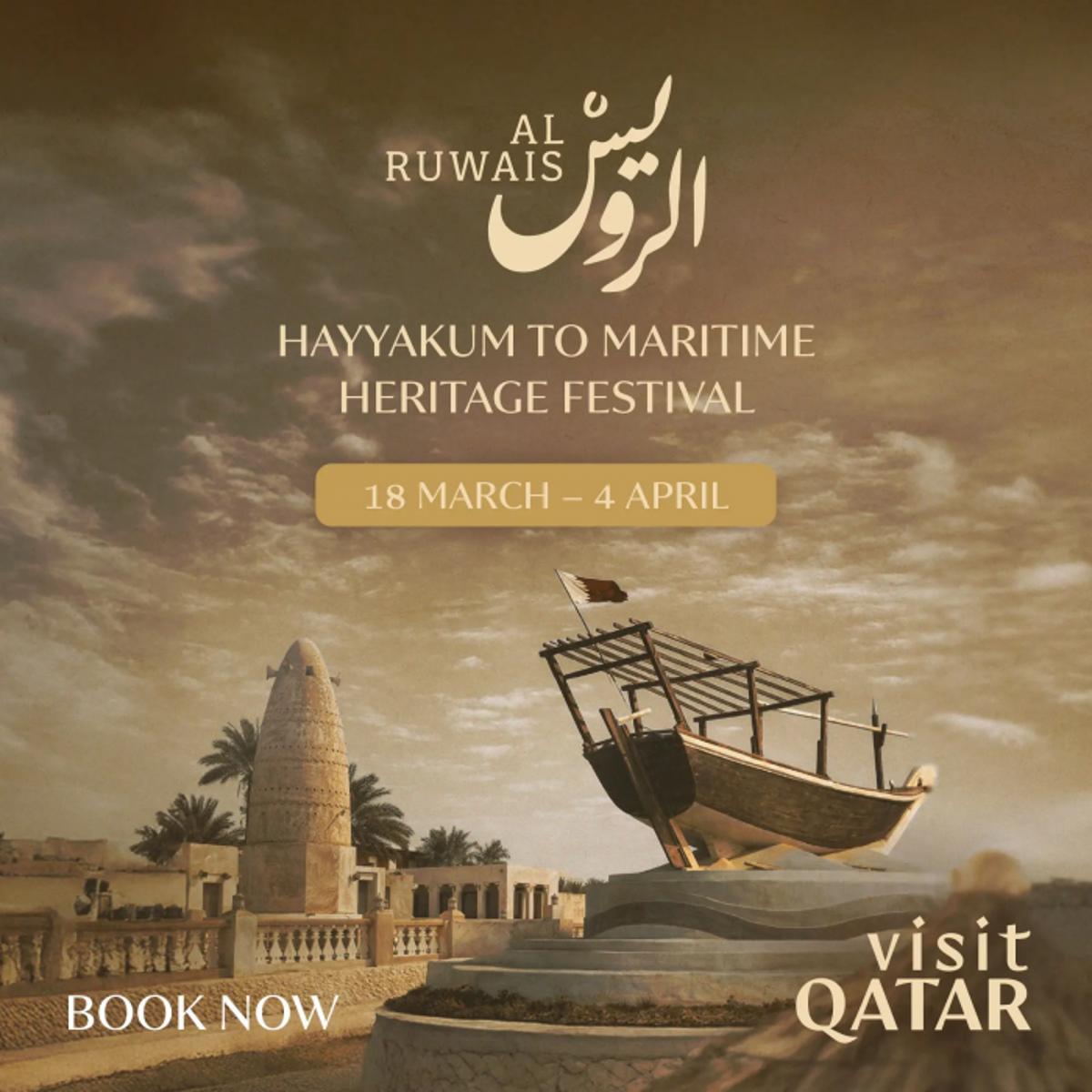
Visit Qatar Announces a New Activation: Al Ruwais- the Maritime Heritage Festival
•March 2, 2026
0
Why It Matters
The event positions northern Qatar as a cultural tourism anchor, driving domestic visitation and supporting heritage preservation while aligning with sustainability goals.
Key Takeaways
- •Festival runs March 18–April 4, 2026.
- •Showcases dhow building, pearl diving, marine sustainability.
- •Aims to boost northern Qatar tourism.
- •Offers family workshops, VR experiences, coastal cuisine.
- •Supports Qatar’s cultural heritage and destination diversification.
Pulse Analysis
Qatar’s tourism authority has been pivoting toward experience‑led offerings that spread visitor traffic beyond the capital. By earmarking the north for a series of heritage‑focused activations, the government seeks to balance economic growth with cultural stewardship, a trend echoed across Gulf states seeking resilient tourism models. The Al Ruwais Maritime Heritage Festival exemplifies this approach, turning a modest coastal town into a seasonal showcase that blends history, gastronomy, and environmental education.
The festival’s programming is deliberately layered: a craft zone revives traditional dhow construction and pearl‑diving techniques, while a marine‑education hub delivers interactive lessons on sustainable fishing and coastal conservation. Live performances, from Ardah processions to Fidjeri sea songs, create a vibrant soundscape that attracts families, school groups, and international visitors alike. Economically, the activation generates short‑term employment for artisans, chefs, and event staff, and it stimulates ancillary spending at nearby hotels, transport services, and retail outlets.
Beyond immediate revenue, Al Ruwais serves as a testbed for Qatar’s broader destination‑diversification strategy. Successful visitor engagement could encourage repeat visits, inspire similar heritage projects in other regions, and reinforce Qatar’s brand as a custodian of maritime culture. As global travelers increasingly prioritize authentic, sustainable experiences, the festival positions the country to capture a niche market while preserving intangible cultural assets for future generations.
Visit Qatar Announces a new activation: Al Ruwais- the Maritime Heritage Festival
0
Comments
Want to join the conversation?
Loading comments...