Why It Matters
The trek positions Walk Japan at the forefront of premium adventure tourism, tapping growing demand for immersive, environmentally focused travel in Japan’s northern frontier. Its integration of protected natural sites and cultural experiences enhances the region’s visibility and supports sustainable tourism revenue.
Key Takeaways
- •Nine‑day trek follows Hokkaido East Trail sections
- •Daily hikes 11‑18 km across diverse ecosystems
- •Visits Ramsar wetland, active volcano, UNESCO Shiretoko
- •Small groups, max 12, with onsen accommodations
- •Prices start ¥798,000 (~US$5,300) per person
Pulse Analysis
Japan’s adventure‑travel market has accelerated as affluent travelers seek deeper connections with nature, and Walk Japan’s East Hokkaido Trek arrives at a pivotal moment. By threading together the newly opened 410 km Hokkaido East Trail, the company offers a rare, high‑end product that blends rigorous hiking with cultural immersion, satisfying both seasoned trekkers and luxury‑oriented tourists. The trek’s design—spanning wetlands, volcanic terrain, and UNESCO‑protected coastlines—leverages Hokkaido’s unique biodiversity, positioning the itinerary as a benchmark for sustainable, experience‑driven travel.
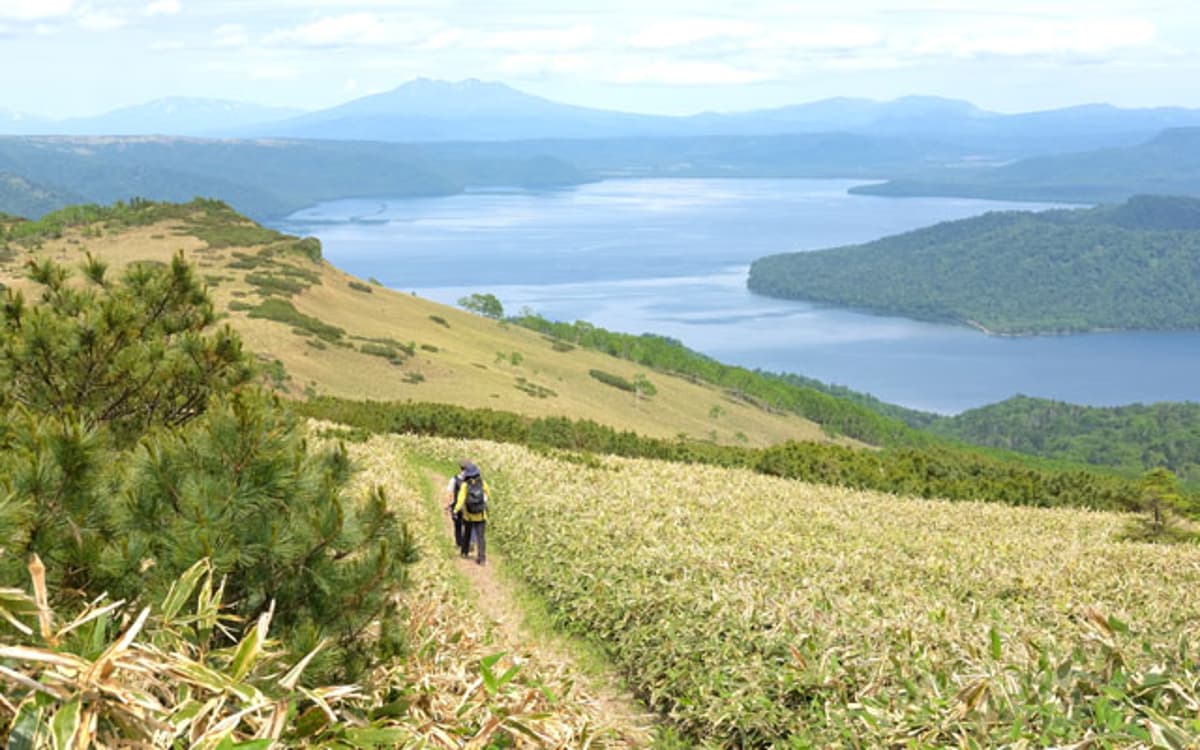
Ecologically, the itinerary showcases some of Japan’s most sensitive habitats. Participants walk through Kushiro Shitsugen, a Ramsar‑listed wetland critical for migratory birds, and ascend Atosa‑Nupuri, an active volcano that illustrates the region’s geothermal dynamism. The inclusion of Kawayu Onsen and crater lakes Kussharo‑ko and Masshu‑ko adds geothermal and limnological interest, while the Shiretoko Peninsula’s UNESCO status underscores the trek’s conservation relevance. By limiting groups to twelve and providing onsen‑equipped lodgings, Walk Japan minimizes environmental impact and supports local hospitality providers, aligning with global best practices for low‑impact tourism.
From a business perspective, the ¥798,000 price point targets high‑net‑worth travelers willing to pay a premium for curated experiences, differentiating Walk Japan from mass‑market operators. Seasonal departures in June, July, September and October capture peak travel windows while avoiding the region’s harsh winter, optimizing occupancy and revenue. As other operators eye Hokkaido’s untapped potential, Walk Japan’s early‑move advantage and emphasis on protected‑area partnerships could set a competitive standard, driving both brand equity and regional economic growth.
Walk Japan adds new East Hokkaido Trek to portfolio
0
Comments
Want to join the conversation?
Loading comments...