Why It Matters
Atmospheric design is becoming a revenue engine, turning sensory upgrades into higher occupancy, longer dwell time and increased ancillary spend. Hoteliers that invest in tailored ambience can differentiate their brand and capture the loyalty of experience‑seeking travelers.
Key Takeaways
- •70% of hotel guests prioritize atmosphere over price
- •38% say immersive ambiance boosts hotel appeal
- •40% of Millennials/Gen X extend stays for good atmosphere
- •30% share memorable stays on social media
- •30‑minute dwell increase yields 12% more F&B revenue
Pulse Analysis
The hospitality sector is undergoing a cultural shift as travelers move beyond basic amenities toward curated sensory experiences. Mood Media’s survey reveals that atmosphere now eclipses traditional decision factors such as price and service, with over 70% of guests citing music, lighting, scent and digital design as pivotal to a memorable stay. This heightened emphasis on ambience reflects broader consumer trends toward personalization and experiential consumption, prompting hotels to rethink how spaces are designed and marketed.
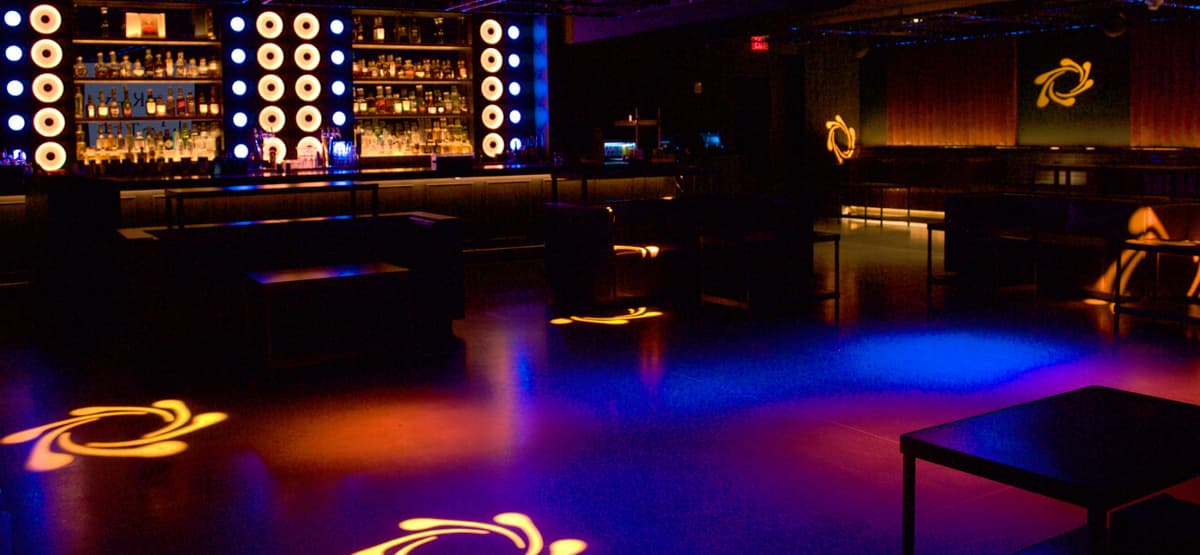
Operationalizing this insight requires a blend of technology and creativity. Dream Hotel Nashville illustrates a successful model, deploying Bose‑engineered audio, immersive video walls, and programmable scent diffusers across its eleven venues—from restaurants to nightclubs. These installations not only reinforce a cohesive brand narrative but also translate into measurable financial gains; Mood Media estimates that extending guest dwell time by just 30 minutes can lift food‑and‑beverage revenue by 12%. Digital signage and interactive tablets further enable targeted promotions, driving upsells without adding labor costs.
Looking ahead, AI and real‑time data will enable hyper‑personalized environments that adapt lighting, sound and scent to individual preferences the moment a guest checks in. Such dynamic atmospheres promise to deepen emotional connections, encourage social sharing, and ultimately boost loyalty. For hotel operators, the strategic imperative is clear: invest in scalable sensory platforms now to stay competitive, capture higher ancillary spend, and position their properties as destination experiences rather than mere places to sleep.
Web Exclusive: Atmosphere drives demand
Comments
Want to join the conversation?
Loading comments...