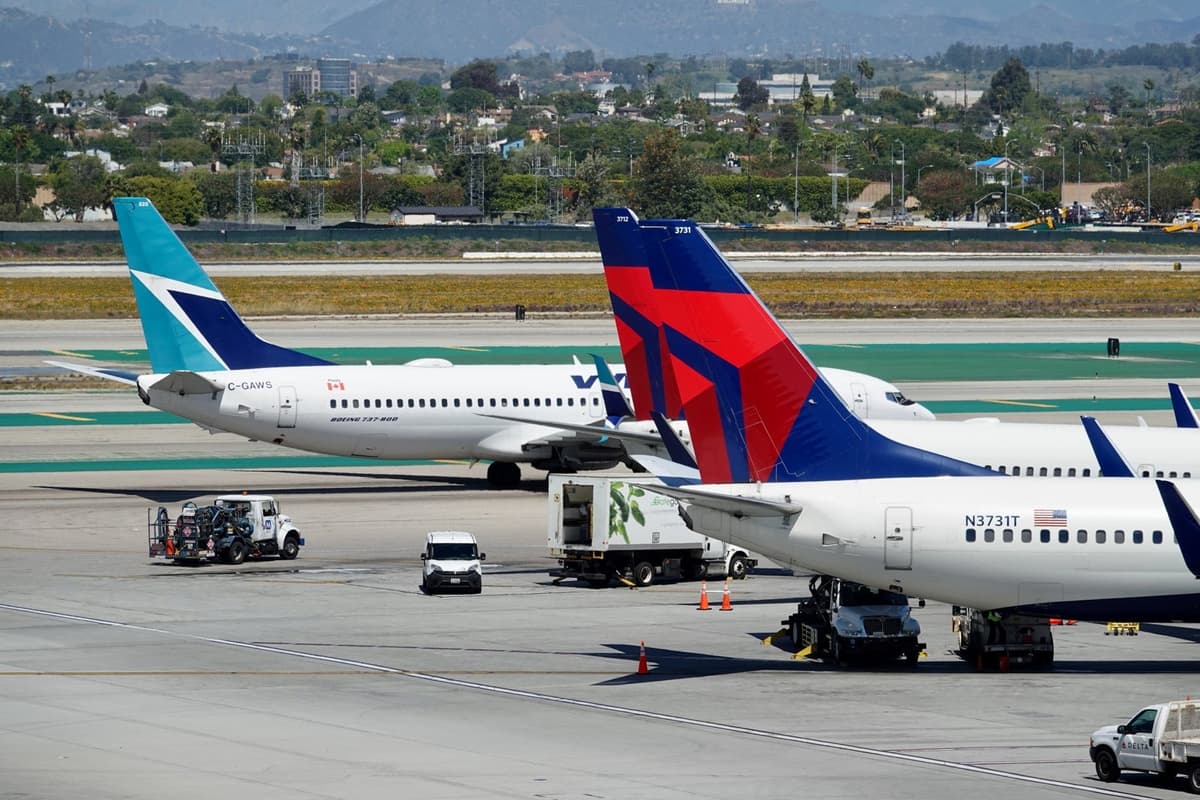
WestJet Drops Raleigh-Durham, Cuts 16 US Routes Amid Travel Decline
•February 28, 2026
0
Companies Mentioned

Why It Matters
The cuts signal weakening cross‑border leisure demand and reshape the competitive dynamics between Canada’s two largest carriers, affecting revenue and partnership structures.
Key Takeaways
- •WestJet eliminates 16 U.S. routes, cutting 13% seats
- •Seasonal leisure markets like Las Vegas and Orlando hit hardest
- •Delta partnership may strain ties as ATL capacity drops
- •Air Canada expands U.S. presence while WestJet retreats
- •Canadian cross‑border travel down 12.5% YoY in 2025
Pulse Analysis
WestJet announced the termination of 16 U.S. routes, representing a 13 % reduction in seats to the United States for 2026. The airline attributes the move to a sustained slump in transborder leisure travel, with Canadian departures to the U.S. falling 12.5 % year‑over‑year in the first eleven months of 2025. Heightened political friction, including tariff threats, has further dampened consumer sentiment, prompting WestJet to prune seasonal services that were slated to resume this summer. The airline will drop routes from Calgary to Raleigh‑Durham, Edmonton to Atlanta and Nashville, and multiple West Coast connections, trimming its U.S. seat inventory by roughly 13 %.
The cuts hit key leisure hubs such as Las Vegas, Orlando and Atlanta, where seat capacity will fall by up to 24 % year‑over‑year. WestJet’s reduction at Delta Air Lines’ Atlanta hub also strains a partnership that gives both carriers reciprocal loyalty benefits, even as Delta holds a 13 % equity stake. Meanwhile, rival Air Canada is expanding its U.S. footprint, launching non‑stop flights from Billy Bishop Airport to New York’s LaGuardia, signaling a divergent growth strategy. Delta’s 13 % stake gives WestJet access to a broader network, but the seat cuts could reduce reciprocal traffic and loyalty program value.
For investors, WestJet’s network contraction underscores the volatility of cross‑border leisure demand and the need for a more balanced mix of business and vacation traffic. The airline may look to deepen its Delta alliance or explore new Canadian‑U.S. city pairs with stronger corporate appeal to offset the lost leisure volume. WestJet may also accelerate domestic route optimization or pursue additional code‑share agreements to sustain revenue while the U.S. market recovers. Industry watchers will monitor whether the broader North American market rebounds as geopolitical tensions ease, which could prompt a reversal of cuts or further consolidation among carriers.
WestJet drops Raleigh-Durham, cuts 16 US routes amid travel decline
0
Comments
Want to join the conversation?
Loading comments...