Why It Matters
The shift to a reliable shelf‑stable hashbrown cuts labor costs, frees valuable kitchen space, and improves guest satisfaction, directly impacting profitability for breakfast‑focused operators.
Key Takeaways
- •Shelf-stable hashbrowns outperformed scratch, frozen, refrigerated formats.
- •Golden Grill hashbrowns saved 2.5x kitchen storage space.
- •Consistent texture and flavor drove higher guest preference.
- •Small crews benefited from reduced prep time and labor variability.
- •Real‑world testing proved shelf‑stable product reliability under pressure.
Pulse Analysis
In today’s fast‑paced breakfast service, operators grapple with balancing speed, consistency, and kitchen footprint. Traditional prep formats—scratch, frozen, refrigerated—each carry trade‑offs: scratch offers control but demands constant attention; frozen and refrigerated simplify handling but can suffer from uneven browning and moisture retention. As labor pools shrink and guest expectations rise, the industry is increasingly scrutinizing the true operational cost of each format rather than relying on legacy perceptions.
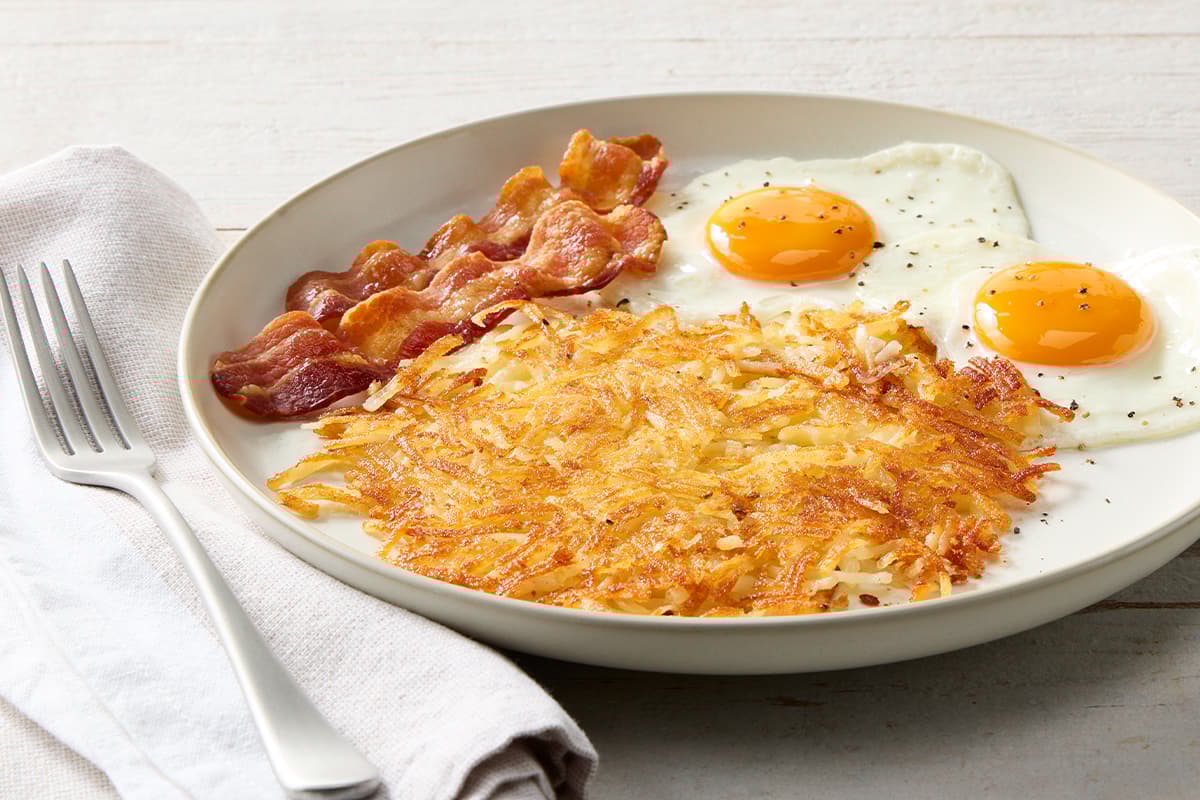
Stone’s extensive side‑by‑side trials revealed that Golden Grill® shelf‑stable hashbrowns excel where others falter. The product maintained a uniform golden crust, retained seasoning, and held its shape across varied service windows, from rapid weekday turn‑arounds to leisurely weekend meals. By eliminating the need for on‑site potato shredding, drying, and seasoning, kitchens reduced prep time by roughly 30 percent, allowing three‑person crews to focus on service flow. Moreover, the shelf‑stable inventory occupies only 40 percent of the space required for fresh potatoes, freeing valuable refrigeration capacity for other high‑margin items.
The broader implication for full‑service and quick‑service breakfast concepts is clear: adopting a high‑performing shelf‑stable potato product can drive measurable gains in labor efficiency, storage optimization, and guest satisfaction. As taste‑test data from May 2024 confirm, diners consistently prefer the Golden Grill offering over its frozen and refrigerated counterparts, translating into higher repeat visits and check averages. Operators seeking scalable, consistent breakfast menus should evaluate shelf‑stable solutions as a strategic lever for cost control and brand differentiation in an increasingly competitive market.
Which Prep Format Holds Up Under Pressure?
0
Comments
Want to join the conversation?
Loading comments...