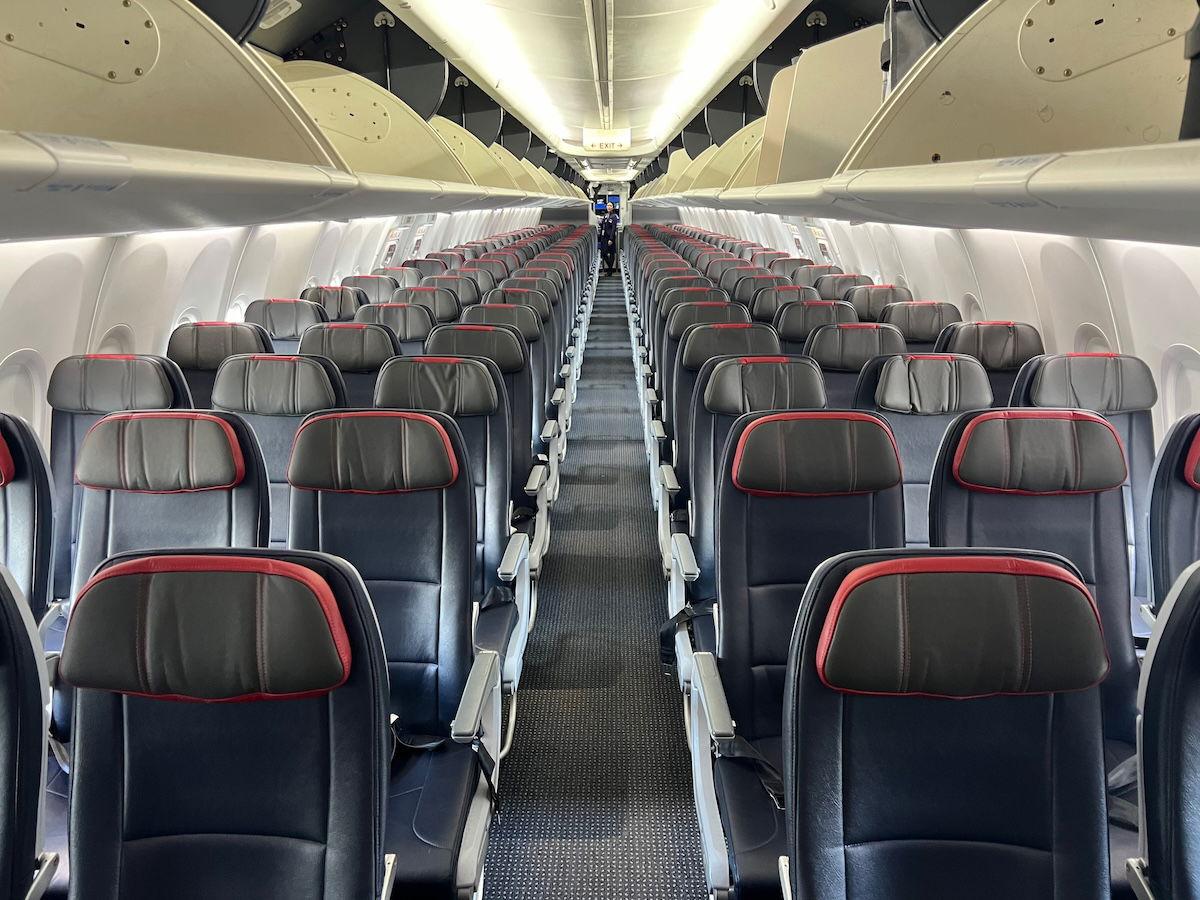
Why Can’t American Airlines Flight Attendants Consistently Say “Hello?”
Why It Matters
First‑contact service shapes passenger satisfaction and loyalty, making the greeting gap a low‑cost lever for American to boost its brand and NPS as competitors focus on experience.
Key Takeaways
- •American crews often skip boarding greetings, per multiple passenger reports
- •Delta’s consistent greetings are cited as a competitive advantage
- •Poor greetings signal broader cultural and incentive shortcomings at American
- •Simple greeting improvements could lift net promoter scores and brand perception
Pulse Analysis
A warm "hello" at the boarding door is more than etiquette; it’s an industry‑standard touchpoint that sets the tone for the entire flight. Airlines invest heavily in premium cabins, loyalty programs, and digital amenities, yet the human element remains the most immediate cue for passengers. When a flight attendant looks up, smiles, and greets each traveler, it reinforces the airline’s brand promise and signals attentiveness. Conversely, a silent boarding process can create a perception of indifference, eroding trust before the aircraft even taxis.
American Airlines’ recent strategic push toward a more upscale product coincides with a troubling pattern of missed greetings, suggesting a disconnect between corporate vision and frontline execution. Profit‑sharing schemes at the carrier are modest, reflecting thin margins and limited upside for crew members. Without tangible incentives tied to customer experience metrics, staff may deprioritize low‑effort gestures like boarding salutations. This cultural gap mirrors broader morale challenges, where employees feel disengaged from the company’s premium narrative, especially when competitors such as Delta showcase consistent, personable service that fuels higher Net Promoter Scores.
Rectifying the greeting shortfall offers a cost‑effective opportunity to enhance American’s reputation. Embedding a simple KPI—percentage of flights where crew members acknowledge each boarding passenger—into performance dashboards can drive accountability. Coupling this metric with modest recognition rewards or bonus structures aligns employee behavior with brand goals. As NPS improves, the airline can expect incremental revenue gains from repeat business and premium‑ticket upsells, reinforcing the strategic imperative to nurture a service‑first culture alongside product upgrades.
Why Can’t American Airlines Flight Attendants Consistently Say “Hello?”
Comments
Want to join the conversation?
Loading comments...