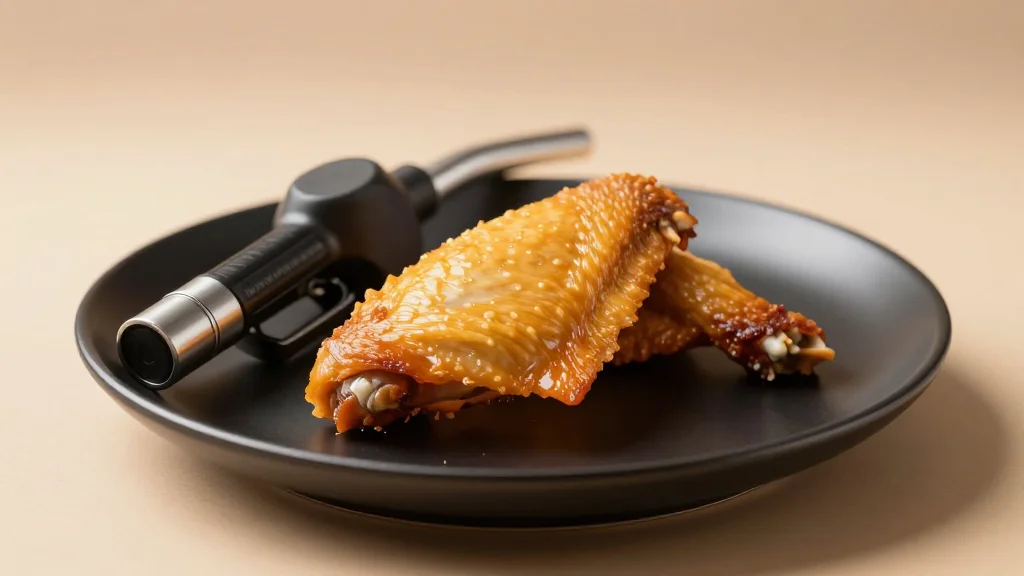
Wingstop Links Same-Store Sales Slides to Iran War
Why It Matters
The slump underscores how geopolitical events and fuel costs can rapidly erode traffic among price‑sensitive diners, forcing fast‑casual brands to innovate beyond pure discounting. Wingstop’s loyalty and tech initiatives could become a playbook for resilience in the sector.
Key Takeaways
- •Same‑store sales fell 8.7% amid gas price shock.
- •Unit count rose 17% year‑over‑year, offsetting sales dip.
- •Low‑income diners (25% of tickets) favor larger, sub‑$10 combos.
- •Club Wingstop uses AI for personalized experiences, not discounts.
- •Kitchen‑display system cuts ticket times, boosting satisfaction.
Pulse Analysis
The U.S. conflict with Iran has sent global oil markets into overdrive, pushing gasoline prices to levels not seen since the early 2020s. Low‑income households, which make up roughly a quarter of Wingstop’s transactions, feel the pinch first, curbing discretionary spending on dining out. The chain’s Q1 same‑store sales slide mirrors the consumer contraction seen after the 2022 Ukraine invasion, illustrating how quickly external shocks can translate into foot‑traffic declines for fast‑casual operators.
Wingstop’s response pivots on value and technology rather than blunt discounting. By spotlighting combo meals priced below $10, the brand offers “abundance” that appeals to cash‑strapped diners seeking larger portions without a premium price tag. Simultaneously, the upcoming Club Wingstop program leverages artificial intelligence to tailor offers, enable points‑sharing, and foster group ordering experiences, positioning loyalty as an engagement tool rather than a price‑cut mechanism. Complementary operational upgrades, such as a new kitchen‑display system, are trimming ticket times and enhancing the guest experience, laying groundwork for higher frequency visits.
For the broader fast‑casual landscape, Wingstop’s strategy signals a shift toward sophisticated, experience‑driven loyalty and operational efficiency as buffers against macro volatility. Brands that rely solely on price promotions risk eroding margins, while those that integrate AI‑personalized rewards and streamline service can sustain traffic even when external cost pressures bite. As fuel price volatility persists, the ability to retain low‑income customers through perceived value and seamless service will likely differentiate the winners from the laggards in the competitive quick‑serve arena.
Wingstop links same-store sales slides to Iran War
Comments
Want to join the conversation?
Loading comments...