With 70 Percent of Operators Under Cost Pressure, Cuts Become Critical
•March 4, 2026
0
Why It Matters
In a market where food‑cost pressure threatens profitability, data‑driven culinary testing offers a scalable path to protect margins and sustain guest experience. The approach demonstrates how transparent supplier partnerships can turn cost cuts into competitive advantage.
Key Takeaways
- •70% of operators cite food cost as top challenge
- •Margaritaville used Entegra’s Performance Kitchen for blind testing
- •Seven menu items swapped, cutting costs without price hikes
- •Transparency differentiated Entegra from competitors
- •Ongoing testing ensures continuous quality and margin improvement
Pulse Analysis
Restaurant operators are feeling the squeeze as food‑price volatility pushes more than seven‑in‑ten establishments to prioritize cost containment. The Datassential 2026 trends report underscores that menu engineering is no longer a one‑off exercise but a continuous balancing act between flavor, brand identity, and bottom‑line health. For multi‑concept chains like Margaritaville, the stakes are higher because a single misstep can ripple across dozens of locations, eroding both guest perception and profitability.
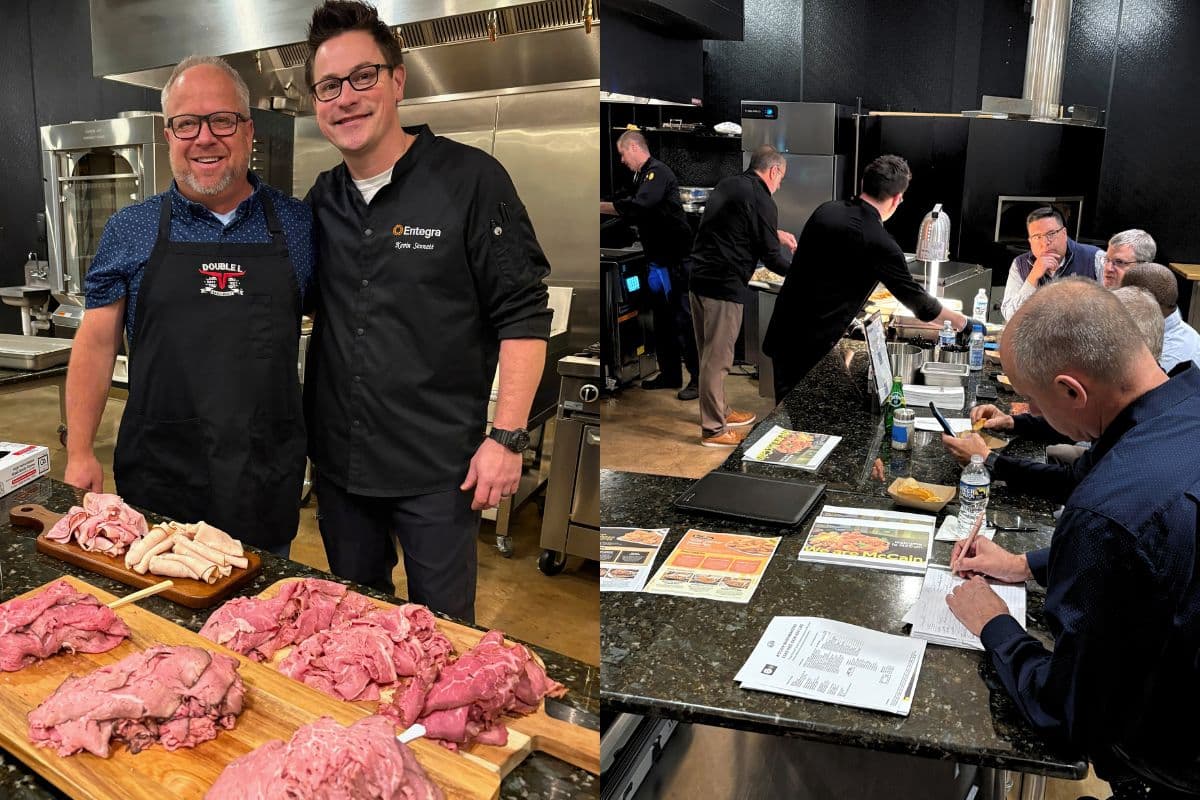
Enter Entegra’s Performance Kitchen, a controlled culinary lab that mimics real‑world kitchen conditions while stripping away brand bias. By feeding blind samples to chefs and measuring texture, cook performance, and labor impact, the platform delivers objective data that informs supplier selection and recipe refinement. Margaritaville’s pilot yielded seven immediate ingredient swaps that trimmed costs without altering menu prices, and highlighted over a dozen additional tweaks for future phases. The transparency of the process—clear reporting, open pricing, and no hidden agendas—proved decisive in choosing Entegra over other vendors.
The broader implication for the industry is clear: systematic, data‑driven product validation can turn cost pressure into a strategic lever rather than a reactive cut. Operators that embed such testing into their R&D cycles gain faster insight into supplier performance, reduce waste, and maintain consistent guest experiences. As margins tighten, the combination of transparent partnerships, real‑time culinary analytics, and a culture of continuous improvement will become a differentiator for brands seeking sustainable growth.
With 70 Percent of Operators Under Cost Pressure, Cuts Become Critical
0
Comments
Want to join the conversation?
Loading comments...