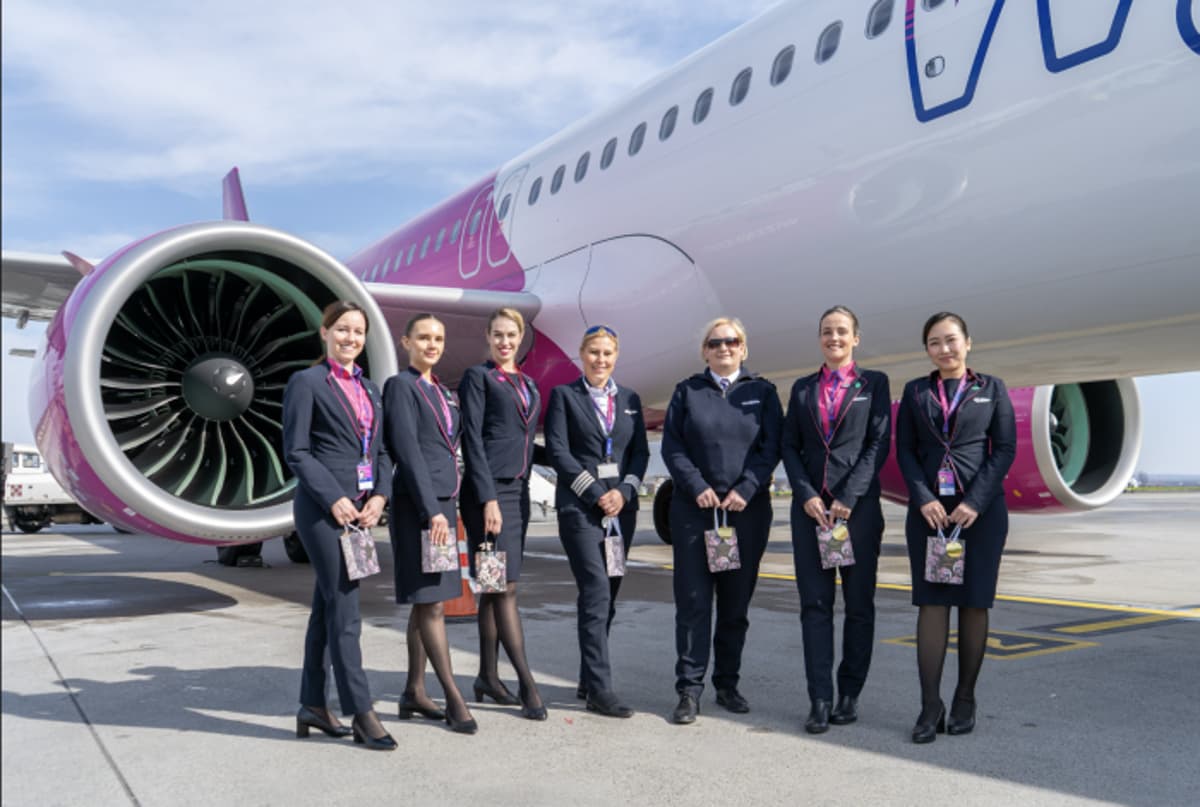
WIZZ AIR MARKS INTERNATIONAL WOMEN’S DAY WITH TEN ALL-FEMALE FLIGHTS ACROSS EUROPE
•March 9, 2026
0
Why It Matters
The program showcases tangible progress toward closing the gender gap in aviation, enhancing the airline’s brand and talent pipeline while signaling industry‑wide change.
Key Takeaways
- •Ten all‑female flights operated across ten European countries.
- •Seventy female pilots and crew flew on International Women’s Day.
- •Female pilots now represent 5.6% of Wizz Air’s flight crew.
- •Target: 7% female pilots by 2030.
- •Women hold 36% of top management, up from 16.7%.
Pulse Analysis
International Women’s Day provides a high‑visibility platform for companies to demonstrate diversity commitments, and Wizz Air has turned the occasion into a concrete operational showcase. By deploying ten all‑female flights across markets from the UK to Spain, the carrier not only highlighted the capabilities of its female pilots and cabin crew but also reinforced a narrative of inclusivity that resonates with socially conscious travelers. This approach differentiates Wizz Air in a crowded low‑cost segment where brand loyalty often hinges on values as much as price.
The aviation sector has long struggled with gender imbalance: women make up roughly 4.7% of pilots worldwide and under 5% of maintenance engineers. Wizz Air’s internal data, however, shows a steady climb to 5.6% female flight crew and an impressive 68.5% female cabin staff, positioning the airline among the most progressive carriers in Europe. By publicly sharing these metrics and setting a clear 7% pilot target for 2030, Wizz Air creates measurable accountability that can inspire competitors and attract a broader talent pool, especially as younger generations prioritize workplace equality.
From a business perspective, the initiative bolsters Wizz Air’s employer brand, aiding recruitment in a market where pilot shortages loom. Female representation in top management—now 36%—signals that the airline is not only filling cockpit seats but also cultivating leadership pathways. Such diversity can drive better decision‑making, improve customer perception, and potentially open new market opportunities where gender‑focused branding matters. As the airline scales, its continued emphasis on gender parity may become a competitive advantage in both talent acquisition and consumer trust.
WIZZ AIR MARKS INTERNATIONAL WOMEN’S DAY WITH TEN ALL-FEMALE FLIGHTS ACROSS EUROPE
0
Comments
Want to join the conversation?
Loading comments...