
Book Review: The Future of Work — A Futurist’s Perspective on Technology and Innovation
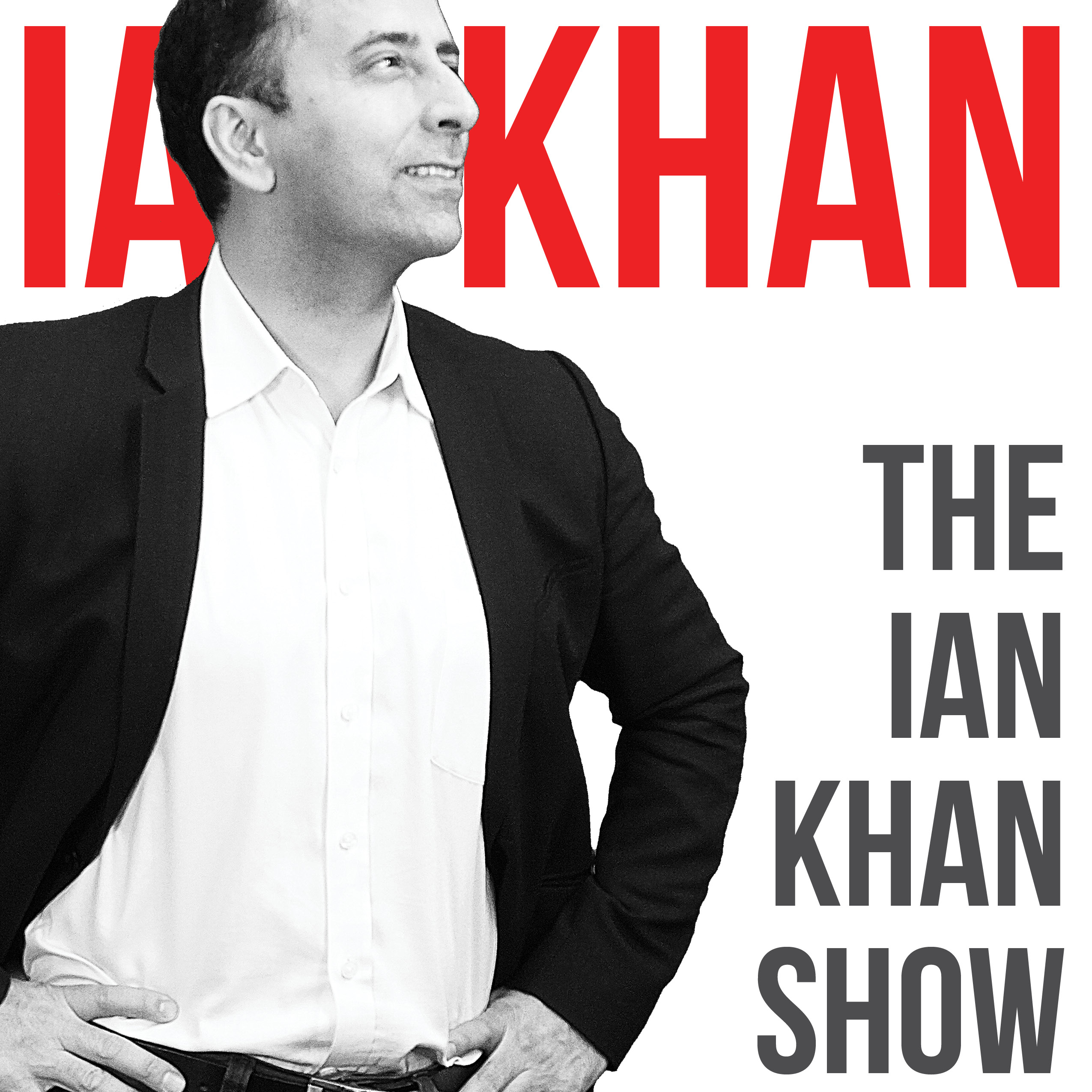
Key Takeaways
- •AI replaces tasks, not entire jobs, reshaping workforce roles.
- •Skill half-life now under three years, demanding continuous learning.
- •Hybrid intelligence teams combine humans and autonomous AI agents.
- •Global variations mean no single future-of-work model applies.
- •Leadership must evolve beyond 2019 mindsets to drive AI change.
Pulse Analysis
The conversation around the future of work has shifted from speculative tech hype to a pragmatic focus on people. While many books still treat AI as a peripheral tool, real‑world deployments show autonomous agents handling end‑to‑end processes in consulting firms and manufacturing plants. This acceleration forces organizations to rethink talent pipelines, as the half‑life of a technical skill now falls below three years, making continuous upskilling a survival imperative. Leaders who ignore this reality risk widening the gap between capability and demand.
Geography adds another layer of complexity. The work environment in Riyadh, with its rapid digital infrastructure rollout, differs dramatically from Toronto’s regulated labor market or Shenzhen’s gig‑economy dynamics. Consequently, a one‑size‑fits‑all playbook no longer works. Companies must tailor hybrid work models to local cultural norms, regulatory frameworks, and talent availability. This nuanced approach is essential for multinational firms aiming to harness AI‑driven productivity without alienating regional workforces.
Leadership transformation is the final, often overlooked, pillar. Executives entrenched in 2019 mindsets—hierarchical decision‑making, siloed departments, and static job descriptions—cannot unlock the full potential of AI‑human collaboration. Frameworks like Khan’s Future Readiness and AI‑IQ provide concrete metrics to assess organizational agility, while the OpenClaw strategy outlines steps for integrating autonomous agents into existing workflows. By adopting these tools, CEOs can move from passive observation to active choice, positioning their firms at the forefront of the next work revolution.
Book Review: The Future of Work — A Futurist’s Perspective on Technology and Innovation
Comments
Want to join the conversation?