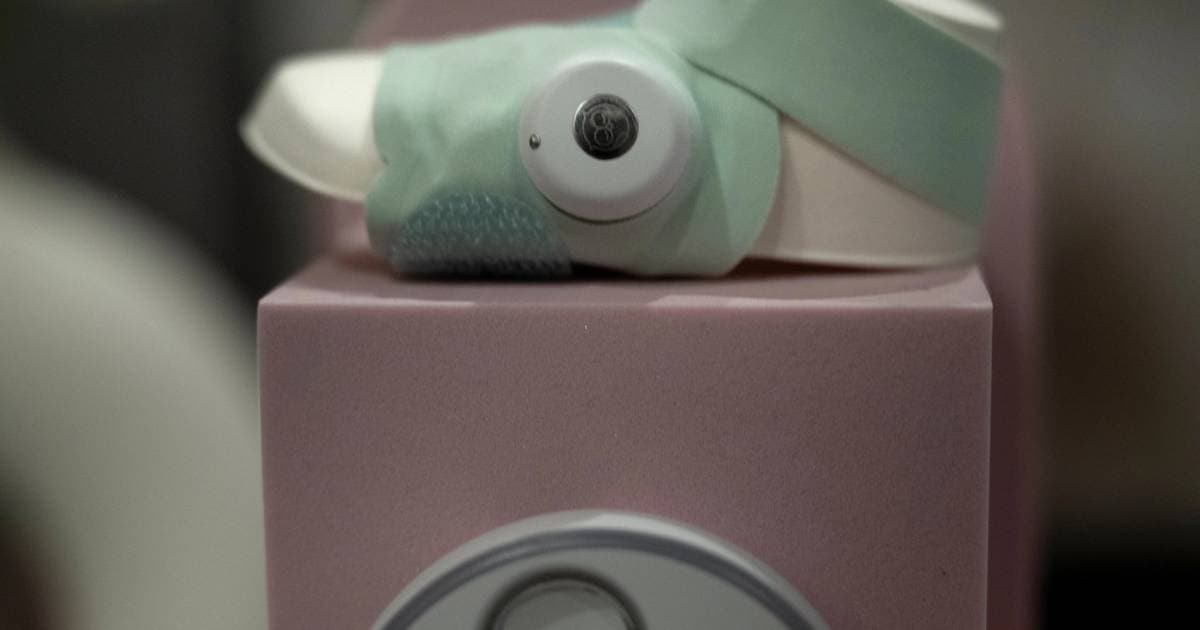
Can a $300 Baby Sleep Device Get Parents Back Into the Office? Owlet Hopes So.
Key Takeaways
- •Owlet’s Dream Sock retails for $299, now offered via employer subsidies.
- •VGM Group will fund 100% cost, spending roughly $10,000 annually.
- •Employer-backed baby monitors aim to reduce parental sleep deprivation impact.
- •Benefit targets retention of women and younger employees with infants.
Pulse Analysis
Sleep deprivation is a silent productivity killer for new parents, with research linking chronic fatigue to reduced focus, higher error rates, and increased absenteeism. As more families rely on wearable health tech, devices like Owlet’s pulse‑oximeter and camera system have moved from niche baby‑registry items to essential tools for monitoring infant well‑being. This evolution creates an opportunity for employers to address a traditionally personal challenge through corporate benefits, turning a health gadget into a strategic retention lever.
The employer‑sponsored model that Owlet is piloting reflects a broader trend of expanding benefits beyond traditional health insurance and paid leave. By allowing companies to customize reimbursement levels, the program can fit diverse budget constraints while delivering measurable value—VGM Group’s $10,000 annual commitment illustrates how a mid‑size firm can support roughly 50‑60 new‑parent employees each year. Such investments are especially compelling for organizations with a youthful, female‑heavy workforce, where parental leave uptake and return‑to‑work rates directly affect talent pipelines.
For HR leaders, the implication is clear: supporting parental health at home translates into stronger performance at work. Offering baby monitors alongside flexible schedules, on‑site childcare, and robust parental leave can create a comprehensive ecosystem that reduces turnover costs and enhances employer brand. As the market for infant monitoring technology expands, we can expect more data‑driven benefit designs that quantify sleep‑related productivity gains, making family‑centric perks a competitive differentiator in talent acquisition and retention.
Can a $300 baby sleep device get parents back into the office? Owlet hopes so.
Comments
Want to join the conversation?