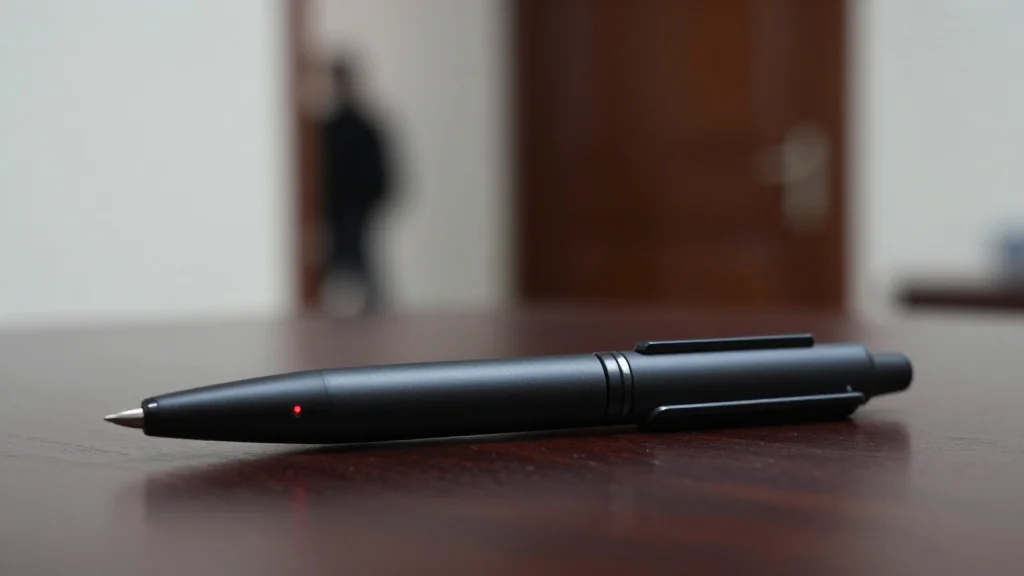
My Coworker Carries a Hidden Recording Device Everywhere

Key Takeaways
- •Surreptitious recording devices breach typical workplace privacy expectations
- •Existing policies may already prohibit undisclosed audio/video capture
- •Employers must draft explicit rules for AI transcription tools
- •Employees should report violations through established administrative channels
- •Legal risks increase as AI-driven recording tech proliferates
Pulse Analysis
The proliferation of pocket‑sized AI transcribers and discreet smart glasses is reshaping how information is captured in the office. In higher‑education settings already strained by anti‑DEIA legislation, a single hidden recorder can turn routine collaboration into a source of paranoia, especially when edited footage is weaponized. Employees who discover such devices face a clash between longstanding academic privacy norms and emerging surveillance technology. Understanding the scope of the threat is the first step toward protecting both personal data and institutional reputation.
Most U.S. states enforce one‑party or all‑party consent rules for audio recording, and many universities already embed privacy clauses in faculty handbooks. However, these provisions rarely mention AI‑powered transcription or wearable cameras, leaving a regulatory gray zone. Employers therefore have a duty to update codes of conduct, specifying that any recording device must be disclosed and that collected data will be stored securely, if at all. Failure to do so exposes institutions to litigation, breach‑notification costs, and damage to trust among staff and students.
Employees who suspect covert recording should first consult their organization’s privacy policy and then raise the issue with human‑resources or a trusted administrator. Documenting the concern, including who reported it and when, creates a paper trail that supports any subsequent investigation. At the same time, leaders can turn the incident into an opportunity to launch campus‑wide training on ethical AI use and to draft clear consent‑based guidelines. Proactive governance not only mitigates legal exposure but also restores confidence that collaboration can thrive without the specter of unseen microphones.
my coworker carries a hidden recording device everywhere
Comments
Want to join the conversation?